
Managing your health becomes easier when essential diagnostic services fit into your daily routine. Blood Test At Home services allow patients to arrange blood sample collection at their residence instead of traveling to a diagnostic laboratory. This option can save time, provide greater comfort, and make routine health monitoring more accessible for individuals with busy schedules or limited mobility. Understanding how the process works can help you prepare for your appointment, choose a suitable provider, and know what happens after your sample reaches the laboratory.
For patients who also need medical guidance, Doctor At Home In Dubai services can provide access to a healthcare professional at home. A doctor may assess symptoms, recommend suitable blood tests, and explain the next steps based on the patient's individual health needs.
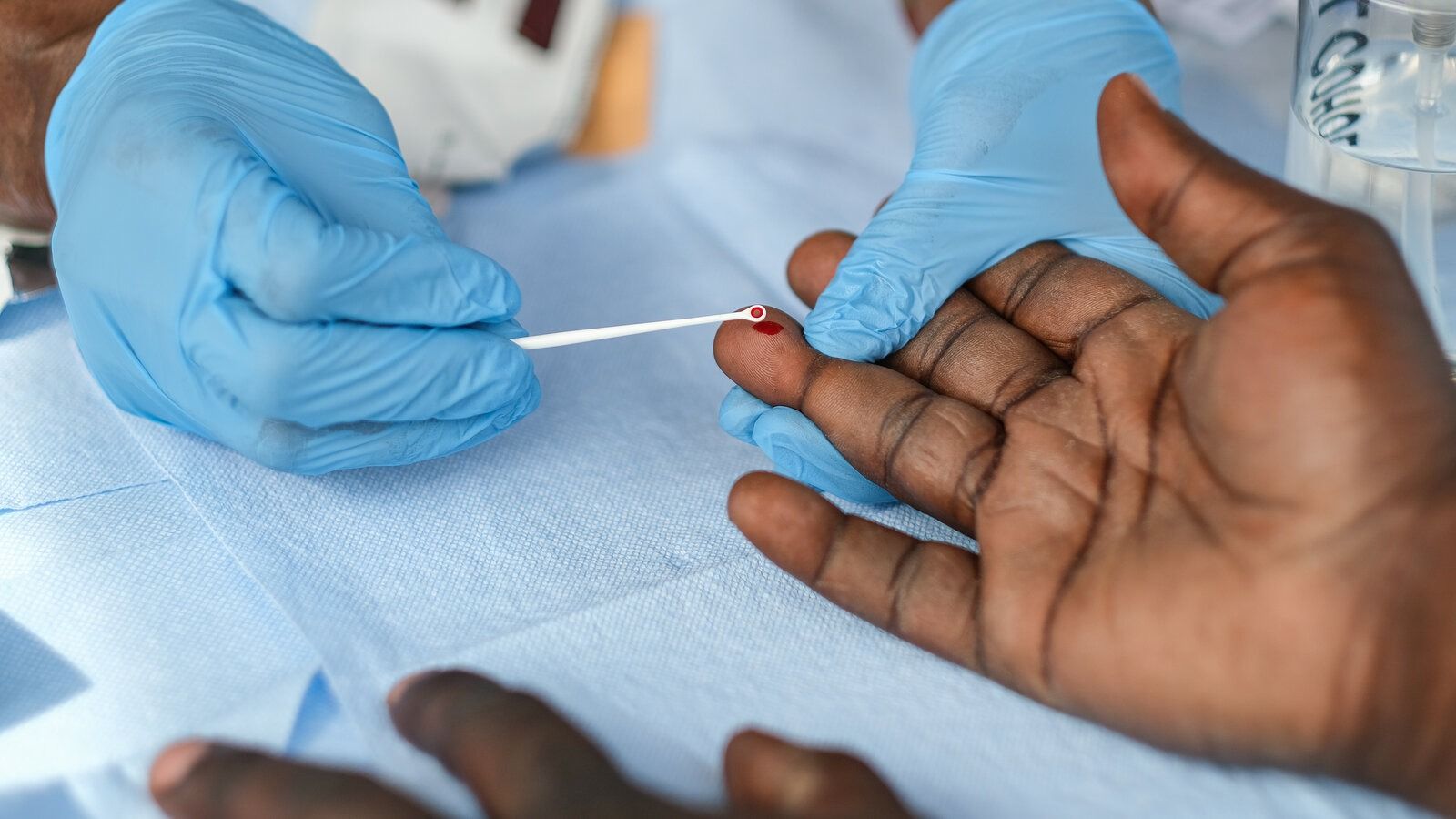
How Blood Test At Home Services Make Healthcare Easier
Home-based blood testing offers a convenient alternative to visiting a laboratory for eligible investigations. Patients can schedule an appointment, confirm the required tests, and prepare their homes for sample collection. A trained healthcare professional then visits at the agreed time and collects the sample using appropriate equipment.
For patients who also require a medical consultation, Doctor At Home In Dubai services may provide access to a healthcare professional who can assess symptoms, recommend appropriate investigations, and explain the next steps in care. The need for a consultation depends on the patient's circumstances and the provider's service arrangements.
What Happens When You Book a Blood Test At Home?
Scheduling Your Appointment
The process usually begins with contacting a home diagnostic provider through its website, telephone service, or booking platform. You may be asked to provide your preferred appointment time, location, contact details, and the names of the tests you need.
If a doctor has recommended the investigations, keep the prescription or test request available. Confirm whether the selected tests can be collected at home and whether any special arrangements are necessary.
Before finalizing the booking, ask about the total cost, collection charges, available appointment times, and estimated report delivery. This helps you understand the service and avoid unexpected expenses.
Confirming Test Requirements
Different blood tests have different preparation requirements. Some require fasting, while others can be performed without it. Certain investigations may also need to be collected at a particular time of day or handled according to specific laboratory instructions.
Confirm these requirements with the provider before your appointment. Do not assume that every test requires fasting, and never stop prescribed medication without guidance from your healthcare professional.
Preparing for Your Blood Test At Home Appointment
Proper preparation can make the collection process smoother and help reduce the risk of unsuitable samples.
Follow Fasting Instructions
If your healthcare provider or laboratory instructs you to fast, follow the specified duration. Ask whether drinking plain water is permitted and whether your usual medication schedule needs any adjustment. Avoid unnecessary fasting when it has not been recommended.
Stay Hydrated
Drinking water, when permitted by your test instructions, can help you remain hydrated. Adequate hydration may also make veins easier to access for some people. Follow any fluid restrictions given by your healthcare professional.
Prepare a Comfortable Space
Choose a clean, well-lit area where you can sit comfortably during collection. Keep your test request, identification, and booking information nearby. If you have previously fainted during blood collection or have difficult-to-access veins, tell the healthcare professional before the procedure begins.
What Happens During Blood Sample Collection?
Verification and Hygiene
When the professional arrives, they should confirm your identity and the tests being performed. They should also explain the procedure and follow appropriate hand hygiene and infection-control practices.
The professional generally prepares the necessary collection equipment, including sterile needles and sample tubes suitable for the requested investigations. Single-use equipment should be handled safely and disposed of in an appropriate sharps container.
Collecting the Sample
The professional usually places a tourniquet around your upper arm, cleans the selected area, and inserts a needle into a vein to collect the required amount of blood. You may feel a brief pinch or mild discomfort.
The duration depends on the number of samples needed and the ease of accessing a suitable vein. After collection, the needle is removed, and pressure is applied to the puncture site. A small dressing is then placed over the area.
Most people tolerate routine blood collection well. If you feel faint, uncomfortable, or unusually anxious, inform the professional immediately so they can help you safely.
Is Blood Test At Home Accurate and Safe?
Blood Test At Home services can produce reliable results when qualified professionals collect samples correctly and the laboratory follows appropriate testing standards. Accuracy depends on correct identification, suitable collection tubes, proper labeling, storage conditions, transportation, and laboratory processing.
Choose a provider that clearly explains its collection procedures and laboratory arrangements. Ask how your sample will be transported and how you will receive the report.
Home collection does not guarantee that every test can be performed under every condition. Some investigations require special handling, and certain symptoms or medical situations may need assessment at a healthcare facility. If you experience a medical emergency, do not delay urgent care while arranging a routine blood test.
Common Blood Tests You May Be Able to Get at Home
Complete Blood Count
A complete blood count measures components such as red blood cells, white blood cells, hemoglobin, and platelets. A healthcare professional may recommend it when investigating symptoms or monitoring particular health conditions.
Blood Glucose and Diabetes Testing
Blood glucose testing helps measure sugar levels in the blood. Depending on the clinical purpose, a doctor may recommend a fasting glucose test, a random glucose test, or another investigation such as HbA1c.
Cholesterol and Thyroid Testing
A lipid profile measures cholesterol and triglyceride levels, which can contribute to an assessment of cardiovascular health. Thyroid function tests help evaluate how the thyroid gland is working and may be recommended when symptoms suggest a possible thyroid problem.
Vitamin and Other Specialized Tests
Depending on the provider's laboratory capabilities, home collection may also be available for vitamin levels, iron studies, hormone tests, and other investigations. Always confirm availability and preparation requirements before booking.
What Happens After Your Blood Sample Is Collected?
After the collection, the professional labels and prepares your sample according to the laboratory's requirements. It is then transported to the relevant laboratory for analysis.
Reports may be delivered electronically or through another method offered by the provider. Some tests are processed relatively quickly, while specialized investigations may take longer. Ask for an estimated reporting time when you book.
Once your results are available, review them with a qualified healthcare professional when appropriate. A laboratory report may include reference ranges, but these values must be interpreted alongside your symptoms, medical history, medications, and other clinical findings. An abnormal result does not always indicate a serious condition, and a result within the reference range does not necessarily rule out every health problem.
How to Choose a Reliable Home Blood Testing Service
Before choosing a provider, check whether trained healthcare professionals perform sample collection and whether the laboratory follows appropriate quality standards. Review the available tests, pricing, appointment flexibility, and report delivery arrangements.
It is also helpful to confirm how the provider protects your personal and medical information. Choose a service that communicates clearly, explains preparation requirements, and provides a way to address questions about the testing process.
Avoid selecting a provider based on price alone. Proper sample handling, professional conduct, and dependable communication are important parts of a quality diagnostic service.
Conclusion
Knowing what to expect from Blood Test At Home services can help you feel more prepared and confident about your appointment. From scheduling and following preparation instructions to sample collection and receiving your report, each step contributes to a smoother testing experience.
Choose a reputable provider, follow the laboratory's instructions, and discuss your results with a qualified healthcare professional. With appropriate planning and proper laboratory procedures, home blood testing can offer a convenient way to complete recommended investigations and stay informed about your health.