
Caring for an elderly family member can be a rewarding experience, but it can also bring challenges when daily activities become difficult. Older adults may need assistance with personal hygiene, meal preparation, mobility, household routines, and emotional well-being. Caregivers at Home provide practical, compassionate support that helps seniors remain in familiar surroundings while maintaining dignity and independence. With an appropriate care plan, families can ensure their loved ones receive assistance that matches their individual needs.
For families who also need medical attention at home, Doctor At Home In Dubai can be a convenient option for arranging professional medical consultations. When appropriate, medical services and caregiving support can complement each other to help elderly family members manage their health and everyday routines.
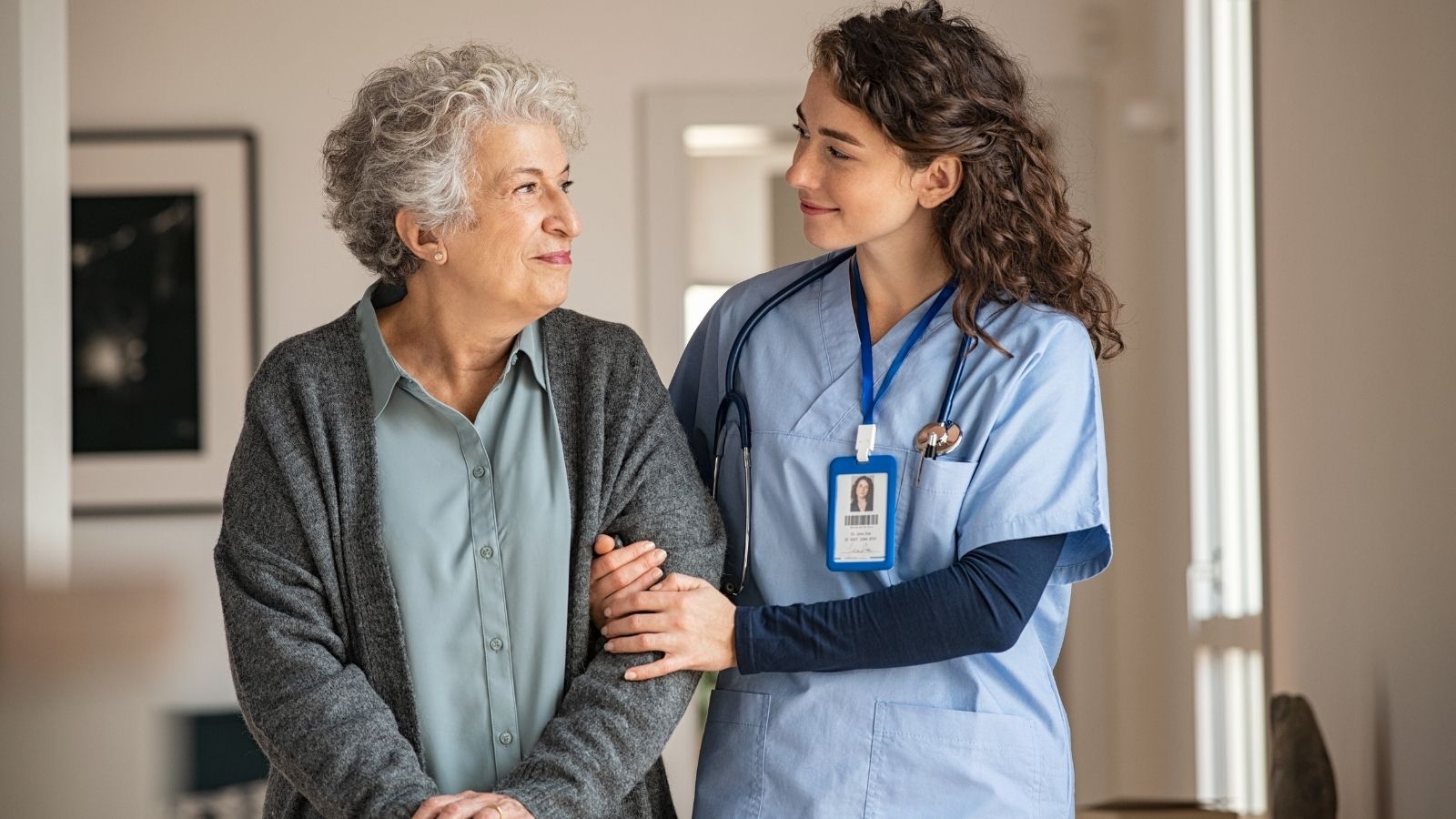
Why Elderly Family Members May Need Home Care
Ageing affects everyone differently. Some older adults remain independent for many years, while others experience changes in strength, balance, memory, or energy levels that make daily tasks more challenging.
Support With Everyday Activities
Simple activities such as bathing, dressing, preparing meals, and moving around the home may become difficult with age. A caregiver can provide assistance according to the person's abilities, helping them complete necessary tasks safely and comfortably.
The amount of assistance can vary. Some seniors need help for only a few hours each day, while others may require more consistent supervision. Understanding these needs helps families choose an appropriate care arrangement.
Assistance During Recovery
Older adults may need additional support after an illness, injury, or hospital discharge. Everyday tasks can feel more demanding during recovery, especially when mobility or energy levels are temporarily reduced.
A caregiver can assist with personal routines, meals, safe movement, and other agreed responsibilities. Medical instructions should come from the treating healthcare professional, and any nursing procedures should be performed by appropriately qualified personnel.
How Caregivers at Home Support Elderly People
Professional home care can address several aspects of daily living, from physical assistance to emotional support.
Personal Hygiene and Grooming
Maintaining personal hygiene supports comfort, dignity, and general well-being. Some seniors may need help bathing, brushing their hair, changing clothes, or completing other grooming activities.
Caregivers can offer respectful assistance while protecting privacy and encouraging individuals to remain involved in their own care whenever possible. They can also help make personal care routines more manageable for people with limited mobility.
Meal Preparation and Nutrition
Preparing nutritious meals can become challenging when standing, shopping, or cooking requires significant effort. Depending on the service, caregivers may assist with meal preparation, serving food, and maintaining regular mealtimes.
Families should communicate any prescribed dietary requirements, food allergies, and personal preferences. Caregivers can follow established instructions and report concerns such as a noticeable loss of appetite or difficulty eating.
Mobility and Fall Prevention
Balance difficulties and reduced strength can increase the risk of falls. Caregivers may help seniors move between rooms, get into or out of a chair, and access everyday belongings safely.
Keeping walkways clear, improving lighting, and using appropriate mobility aids can also support a safer home environment. Families should seek professional guidance when choosing equipment or when a senior experiences repeated falls or new mobility problems.
Providing Companionship and Emotional Care
Emotional well-being is just as important as physical assistance. Older adults who spend long periods alone may miss regular conversation, shared activities, and social interaction.
Reducing Loneliness
A caregiver can provide companionship through conversations, reading, games, hobbies, and other activities the individual enjoys. These everyday interactions can help seniors feel connected and valued.
When appropriate, caregivers can also encourage contact with relatives and friends. Maintaining social connections can make daily life more enjoyable and help individuals preserve familiar interests.
Encouraging Confidence and Independence
Receiving help should not mean losing control over personal decisions. Good caregivers encourage seniors to participate in activities they can manage and offer assistance only where needed.
For example, an older adult may be able to choose their clothing, prepare a simple snack, or enjoy a favorite hobby independently while receiving help with more physically demanding tasks. This balanced approach can support confidence and preserve personal dignity.
Supporting Medication Routines and Health Awareness
Some elderly people manage several medications or attend regular healthcare appointments. A consistent daily routine can help them stay organized.
Medication Reminders
Depending on their role and training, caregivers may provide reminders based on the established medication schedule. Families should clarify exactly what assistance is permitted and ensure that medication administration or other clinical tasks are handled only by appropriately authorized professionals.
Caregivers should never independently change prescribed doses or discontinue medication. Questions about side effects, missed doses, or treatment changes should be directed to a qualified healthcare professional.
Recognizing Changes in Well-Being
Regular interaction may help caregivers notice changes in appetite, mood, mobility, sleep, or the ability to complete familiar tasks. Sharing these observations with family members can help identify when further assessment may be appropriate.
Caregivers do not replace medical professionals. Sudden confusion, severe breathing difficulties, chest pain, or other potentially serious symptoms require urgent medical attention.
Helping Families Manage Caregiving Responsibilities
Family members often balance employment, household responsibilities, and personal commitments while supporting an elderly relative. When care needs increase, managing every task alone can become exhausting.
Caregivers at Home can help distribute responsibilities by assisting with daily routines and providing companionship during agreed hours. This can give relatives more time to focus on meaningful interactions with their loved one.
Clear communication is essential. Families should discuss the senior's preferences, care schedule, emergency contacts, and any changes in daily needs with the caregiver. Regular updates can help everyone remain informed and maintain consistent support.
How to Choose Suitable Caregivers at Home
Finding the right caregiver requires careful consideration of experience, reliability, and personal compatibility.
Check Experience and Training
Ask about experience working with older adults and any relevant training in personal care, mobility assistance, hygiene, or dementia support. If the individual requires medical or nursing care, verify that the professional has the appropriate qualifications and authorization.
Discuss Individual Preferences
Every senior has different expectations about privacy, meals, routines, language, and social interaction. Discussing these preferences before care begins can help establish trust and reduce misunderstandings.
Review Costs and Responsibilities
Before arranging a service, confirm the schedule, included tasks, pricing, cancellation arrangements, and procedures for reporting concerns. Families should understand exactly what the caregiver will and will not do.
Review the care arrangement regularly to ensure it remains suitable as the individual's needs change.
Conclusion
Caregivers at Home can make a meaningful difference in the lives of elderly family members by providing personal assistance, mobility support, companionship, and help with everyday routines. Their support can help seniors remain comfortable in familiar surroundings while preserving independence and dignity.
By understanding individual needs, choosing a reliable caregiver, and maintaining communication between family members and healthcare professionals, families can create a supportive care environment. The right arrangement helps older adults feel respected, secure, and better supported throughout daily life.