
Cerebral Palsy Treatment can help children and adults improve their movement skills, maintain flexibility, and participate more comfortably in daily activities. Cerebral palsy affects the brain's control of movement and posture, which can make walking, standing, balancing, and changing positions more challenging. The right treatment depends on each person's abilities, symptoms, and individual goals.
Families seeking convenient medical guidance may consider Doctor At Home In Dubai to discuss general health concerns and coordinate appropriate care. A home consultation may help with medical guidance and referrals, while specialized physiotherapy and rehabilitation assessments may require a clinic or hospital visit.
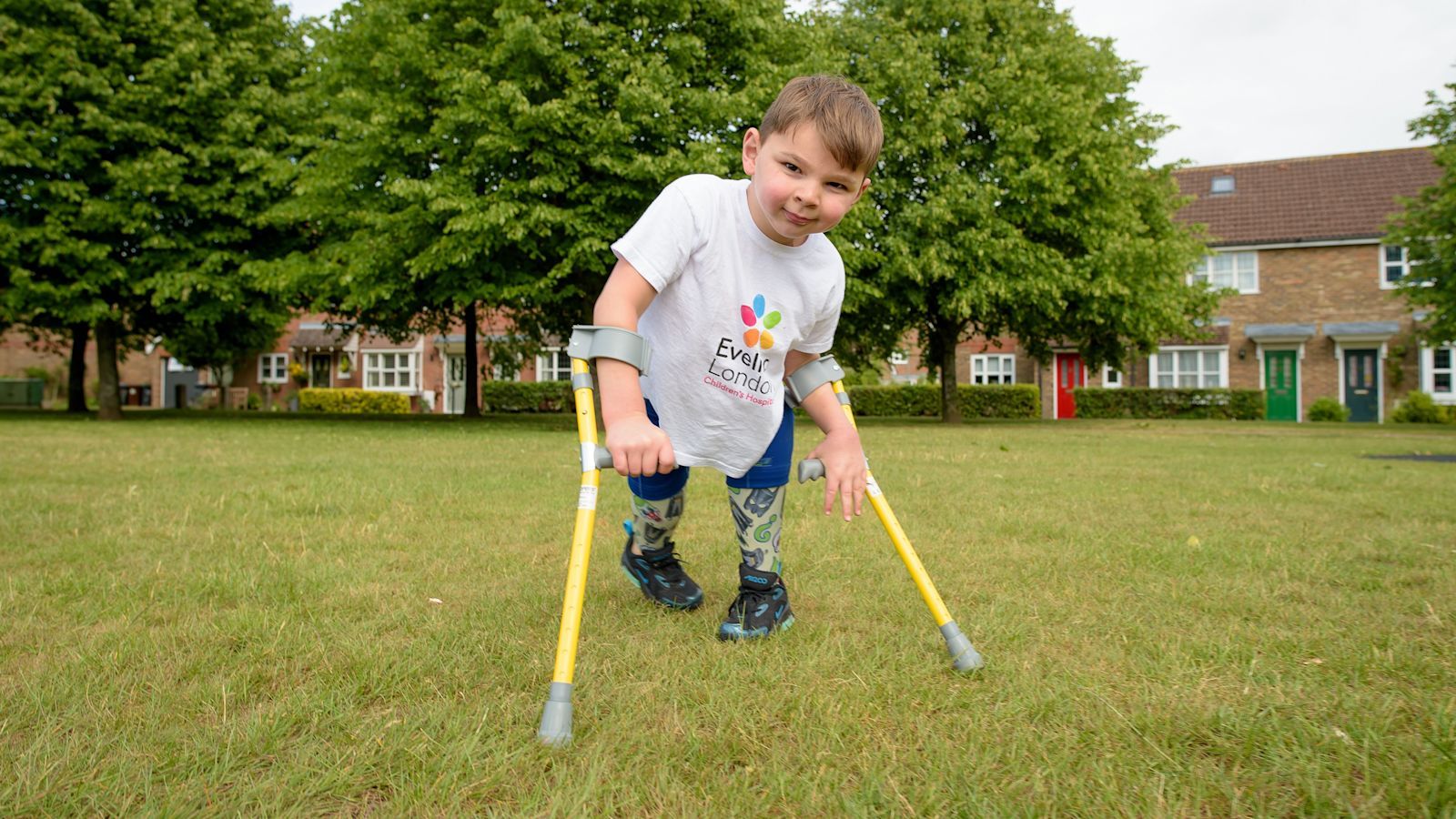
Understanding Mobility Challenges in Cerebral Palsy
Cerebral palsy affects people differently. Some individuals walk independently but experience difficulties with balance or coordination. Others may need walking aids, wheelchairs, or assistance with everyday movement.
Common mobility challenges include muscle stiffness, muscle weakness, limited joint flexibility, unusual walking patterns, and difficulty maintaining posture. These challenges can affect activities such as climbing stairs, getting dressed, playing, or moving around school and home.
As children grow, their movement needs may change. Regular assessments can help healthcare professionals identify difficulties early and adjust treatment plans to support comfort, safety, and independence.
Physical Therapy for Improved Movement
Physical therapy is an important part of many Cerebral Palsy Treatment plans. A qualified physiotherapist assesses movement patterns, muscle strength, flexibility, posture, and balance before recommending suitable activities.
Strength and Flexibility Exercises
A physiotherapist may recommend exercises to maintain joint movement and develop strength for everyday activities. The exercises should be selected according to the person's abilities and should not cause significant pain.
Gentle, professionally guided stretching may help manage tight muscles and maintain flexibility. Strengthening activities can support functional tasks such as standing up, transferring between surfaces, or using mobility aids.
The appropriate exercise routine varies from person to person. Families should follow their therapist's instructions rather than copying exercises designed for someone with different needs.
Balance and Coordination Training
Balance training may help individuals develop better control while sitting, standing, or moving. Therapy activities can include practising safe weight shifts, reaching for objects, and maintaining a stable position with appropriate support.
Coordination exercises can also help children practise movements needed for play and daily routines. Activities should be adapted to the child's developmental stage and physical abilities.
Supporting Walking and Independent Movement
Walking ability varies considerably among people with cerebral palsy. Some may benefit from practising walking with a physiotherapist, while others may use walkers, orthoses, or other mobility aids.
A therapist can assess walking patterns and recommend strategies that support safe movement. Treatment may focus on improving step control, posture, endurance, or the ability to move between different surfaces.
Independent mobility does not always mean walking without assistance. For some individuals, using a wheelchair or another suitable device provides greater independence, reduces fatigue, and allows participation in school, work, and community activities.
The most appropriate approach is the one that meets the person's functional goals while prioritizing comfort and safety.
Managing Muscle Stiffness and Joint Movement
Muscle stiffness, sometimes called spasticity, is a common challenge in certain forms of cerebral palsy. It can make movement difficult and may affect posture, walking, and daily activities.
Management may include physiotherapy, positioning strategies, orthoses, and specialist-prescribed medication or other interventions when appropriate. Treatment decisions depend on how stiffness affects function and whether it causes pain or other complications.
Early assessment is helpful when stiffness interferes with movement or when joint flexibility appears to be decreasing. A healthcare professional can determine whether changes to therapy, equipment, or medical management are needed.
The Role of Occupational Therapy in Daily Mobility
Occupational therapy focuses on functional independence. While physiotherapy often emphasizes movement and physical function, occupational therapy helps individuals apply their abilities to everyday tasks.
Children may practise moving safely during play, getting into a suitable sitting position, reaching for objects, or completing parts of their dressing routine. Adults may work on household tasks, personal care, and using adapted equipment.
An occupational therapist may recommend grab bars, supportive chairs, adapted utensils, or environmental changes that reduce unnecessary movement difficulties.
These practical adjustments can make daily routines more manageable and support participation in family and community life.
Choosing the Right Mobility Aids
Mobility aids may improve safety, access, and independence for people with cerebral palsy. Depending on individual needs, these can include ankle-foot orthoses, walkers, wheelchairs, or supportive seating.
A qualified professional should assess the person's movement, posture, comfort, and environment before recommending equipment. Proper fitting is essential because unsuitable devices can cause discomfort or interfere with function.
Children may need regular equipment reviews as they grow. Adults may also require reassessment when their mobility, strength, or daily environment changes.
How Families Can Support Mobility at Home
Families can reinforce professional treatment recommendations by creating a safe and accessible environment. Keep walking routes clear, reduce slipping hazards, and place frequently used items where the child can reach them safely.
Encourage movement through enjoyable, age-appropriate activities rather than forcing a child to repeat difficult exercises. Allow sufficient time for daily tasks and provide assistance when needed.
Follow the physiotherapist's home exercise plan and report new pain, increased stiffness, falls, or changes in walking ability. These signs may indicate that the care plan needs review.
Home support should complement professional rehabilitation, not replace necessary medical assessments or specialized therapy.
When to Seek Professional Advice
Arrange an assessment if a child has persistent movement difficulties, frequent falls, unusual muscle stiffness, or delays in developing motor skills. A healthcare professional can determine whether further evaluation or rehabilitation is appropriate.
Seek prompt medical attention for sudden loss of movement abilities, new severe weakness, new seizures, or other sudden and concerning symptoms. These should not automatically be considered part of an existing cerebral palsy diagnosis.
Regular follow-up helps ensure that mobility goals, therapy activities, and assistive devices remain appropriate.
Conclusion
Cerebral Palsy Treatment for Better Mobility focuses on helping each person move as safely and comfortably as possible. Physical therapy, occupational therapy, suitable mobility aids, and individualized medical management can support functional movement and everyday independence.
Progress differs from person to person, and no single approach works for everyone. With realistic goals, professional guidance, and ongoing support, individuals with cerebral palsy can work toward greater participation and an improved quality of life.