
Understanding Cerebral Palsy Treatment is an important step for parents who want to support their child's movement, development, communication, and everyday independence. Cerebral palsy affects the brain areas responsible for movement and posture, which can lead to muscle stiffness, coordination difficulties, balance problems, and other physical challenges. Although there is no universal cure, appropriate medical care and rehabilitation can help children develop functional skills and manage difficulties associated with the condition.
Receiving a diagnosis can raise many questions about treatment, long-term development, and the support a child may need. Every child experiences cerebral palsy differently, so treatment decisions should be based on individual abilities, symptoms, and medical needs. Learning about available therapies can help parents work confidently with healthcare professionals and make informed choices for their family.
Doctor At Home In Dubai may be a convenient option for families seeking medical consultations in their home environment. Depending on the provider's services, a qualified doctor can discuss symptoms, review general health concerns, and recommend appropriate specialist referrals. A home consultation can support care coordination, but children may still need in-person developmental assessments, specialized investigations, and rehabilitation appointments.
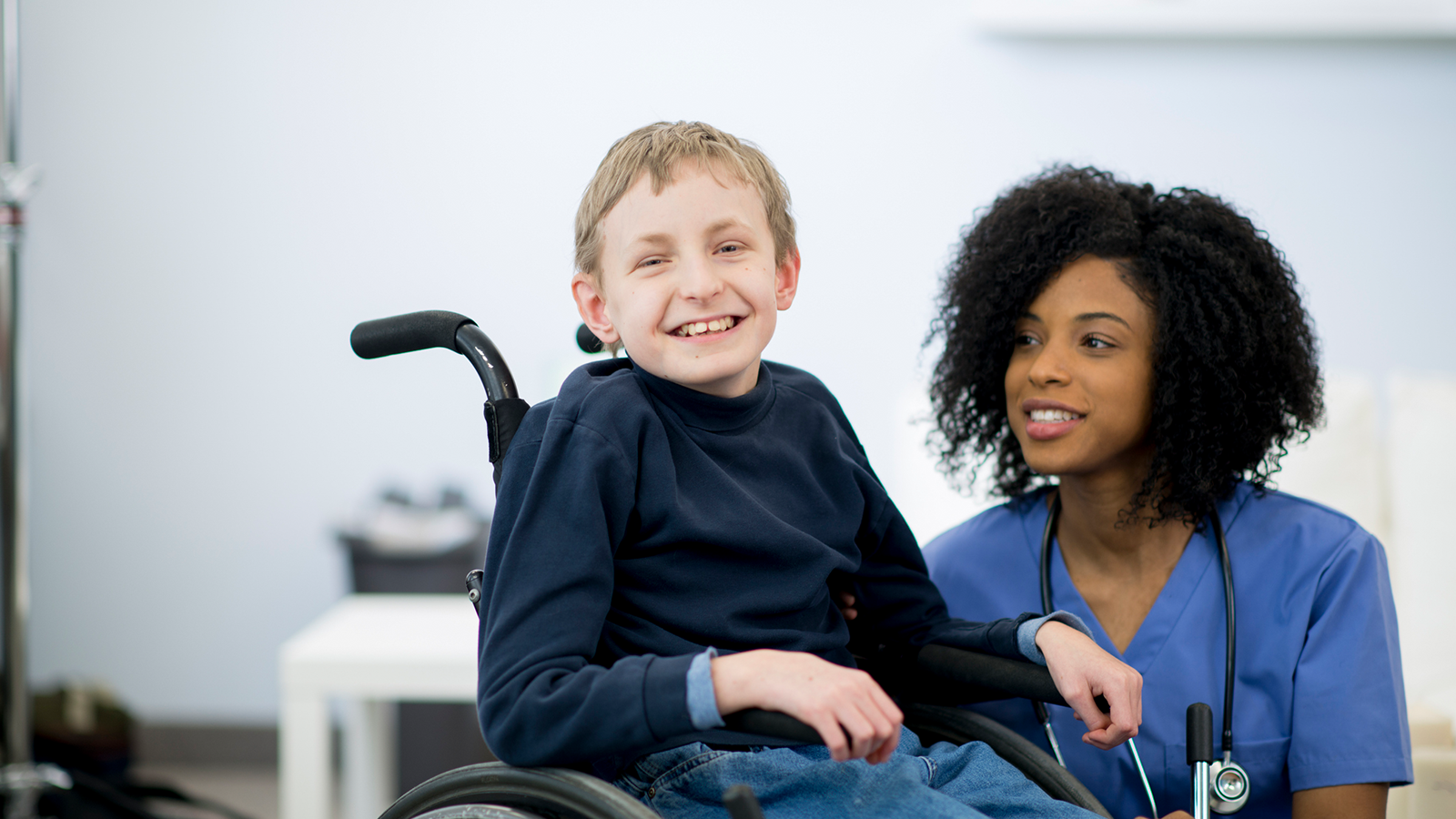
What Parents Should Understand About Cerebral Palsy
Cerebral palsy is a group of neurological conditions associated with damage to or abnormal development of the developing brain. The underlying brain condition is generally non-progressive, but its effects on movement, joints, comfort, and daily activities can change as a child grows.
Some children can walk independently and participate in most everyday activities with limited assistance. Others may need mobility aids, communication support, or help with personal care. Certain children also experience associated difficulties involving vision, hearing, feeding, learning, or seizures.
Because symptoms and support needs vary, parents should avoid comparing their child's progress directly with that of other children who have cerebral palsy. A personalized care plan provides a more appropriate way to identify meaningful goals and monitor development.
Available Cerebral Palsy Treatment Options
Physical Therapy for Movement and Coordination
Physical therapy is an important component of cerebral palsy treatment for children who experience movement limitations. A physiotherapist evaluates posture, muscle tone, balance, strength, flexibility, and functional abilities before recommending suitable activities.
Treatment may include supported sitting, standing practice, walking exercises, balance activities, and movements designed to maintain joint flexibility. The program should reflect the child's abilities and focus on practical goals, such as moving between positions or participating more comfortably in play.
Parents should follow the physiotherapist's instructions when practicing activities at home. Exercises that cause pain or excessive fatigue should be discussed with the treating professional.
Occupational Therapy for Daily Independence
Occupational therapy helps children develop skills for daily activities, including eating, dressing, playing, writing, and personal hygiene. A therapist assesses which tasks are difficult and recommends strategies or equipment to improve participation.
Adapted utensils, supportive seating, modified furniture, and other assistive devices may make everyday activities more manageable. These adjustments can also help families provide appropriate assistance without unnecessarily restricting a child's independence.
The focus is on helping children participate in activities that matter to them, using methods that suit their individual needs.
Speech and Language Therapy
Some children with cerebral palsy have difficulty producing speech, coordinating oral movements, or expressing their needs. Speech and language therapy can support communication and help families identify suitable ways to interact with their child.
Depending on the assessment, treatment may involve speech exercises, language activities, picture boards, or communication devices. Children who experience feeding or swallowing difficulties may require additional evaluation by qualified professionals.
Early identification of communication needs can help children participate more effectively in family life, education, and social activities.
Medical Management of Muscle Stiffness
Muscle stiffness, known as spasticity, can affect comfort, walking, positioning, and joint movement. A specialist may recommend treatment when stiffness interferes with daily activities or contributes to pain and complications.
Options may include orthotic devices, medication, injections for selected muscles, or surgery in certain cases. The right approach depends on the child's condition, functional goals, and possible risks.
Parents should ask the treating specialist about expected benefits, side effects, and the need for follow-up before deciding on a treatment.
Why Early Assessment and Regular Monitoring Matter
Early assessment can help identify developmental needs and connect children with appropriate support. Parents should consult a pediatrician if they notice persistent delays in movement, unusual muscle tone, difficulties with coordination, or concerns about communication and feeding.
Regular monitoring remains important throughout childhood because growth can change the demands placed on muscles and joints. Healthcare professionals may need to review mobility, posture, equipment, pain, and treatment goals as the child develops.
A treatment plan should not remain unchanged simply because it was helpful in the past. Periodic assessments help determine whether current interventions remain appropriate and whether new support is needed.
How Parents Can Support Their Child at Home
A supportive home environment can reinforce skills practiced during therapy. Parents can encourage age-appropriate play, provide opportunities to practice daily activities, and follow recommended exercises when these have been prescribed by a qualified professional.
Children should be allowed to progress at their own pace. Praising effort and celebrating individual achievements can encourage participation without creating unnecessary pressure.
Families may also need to adjust their home environment. Clear pathways, suitable seating, accessible toys, and appropriate mobility equipment can improve comfort and safety.
Parents should avoid unapproved treatments, forceful stretching, or products advertised as cures for cerebral palsy. If an activity causes pain or distress, stop it and seek professional guidance.
Choosing the Right Healthcare Professionals
Children with cerebral palsy may benefit from coordinated care involving several healthcare professionals. Depending on their needs, the team may include a pediatrician, pediatric neurologist, physiotherapist, occupational therapist, speech and language therapist, and rehabilitation specialist.
Parents should check that each professional has appropriate qualifications and experience relevant to the child's needs. It is also useful to discuss treatment goals, appointment frequency, costs, equipment requirements, and how progress will be assessed.
Clear communication between family members and the care team helps ensure that everyone understands the child's needs and follows consistent recommendations.
Supporting Emotional Well-Being and Family Life
Caring for a child with cerebral palsy involves more than managing physical symptoms. Children may need support with confidence, social interaction, learning, and participation in activities with other children.
Encouraging accessible hobbies, family activities, friendships, and suitable educational support can help children develop their interests and sense of belonging.
Parents and caregivers also need support. Discussing concerns with healthcare professionals and connecting with reputable family support services may help make long-term care more manageable.
The goal is to build a routine that supports the child's health and development while recognizing the needs of the entire family.
When Parents Should Seek Medical Advice
Seek medical advice if a child develops new or worsening pain, increased stiffness, reduced mobility, feeding difficulties, or changes in previously acquired abilities. These concerns may require an assessment and adjustments to the care plan.
Sudden weakness, a first seizure, serious breathing difficulties, or a severe choking episode requires urgent medical attention. Such symptoms should not automatically be assumed to be part of cerebral palsy.
Conclusion
Cerebral Palsy Treatment involves individualized medical care, rehabilitation, developmental support, and practical strategies for everyday life. Physical therapy, occupational therapy, speech and language therapy, and specialist interventions can help children work toward functional goals that reflect their needs and abilities.
For parents, understanding treatment options and maintaining regular communication with qualified healthcare professionals are essential steps. With appropriate support, realistic goals, and a family-centered approach, children can work toward improved comfort, participation, and independence throughout their development.