
A comfortable lifestyle becomes especially important as people grow older and begin experiencing changes in their physical abilities, health, and daily routines. Tasks that were once simple may require additional time, effort, or assistance. Elderly Home Care helps seniors manage these challenges by providing personalized support in the comfort of their own homes. With suitable caregivers and a well-organized care plan, older adults can maintain their dignity, enjoy familiar surroundings, and receive help whenever they need it.
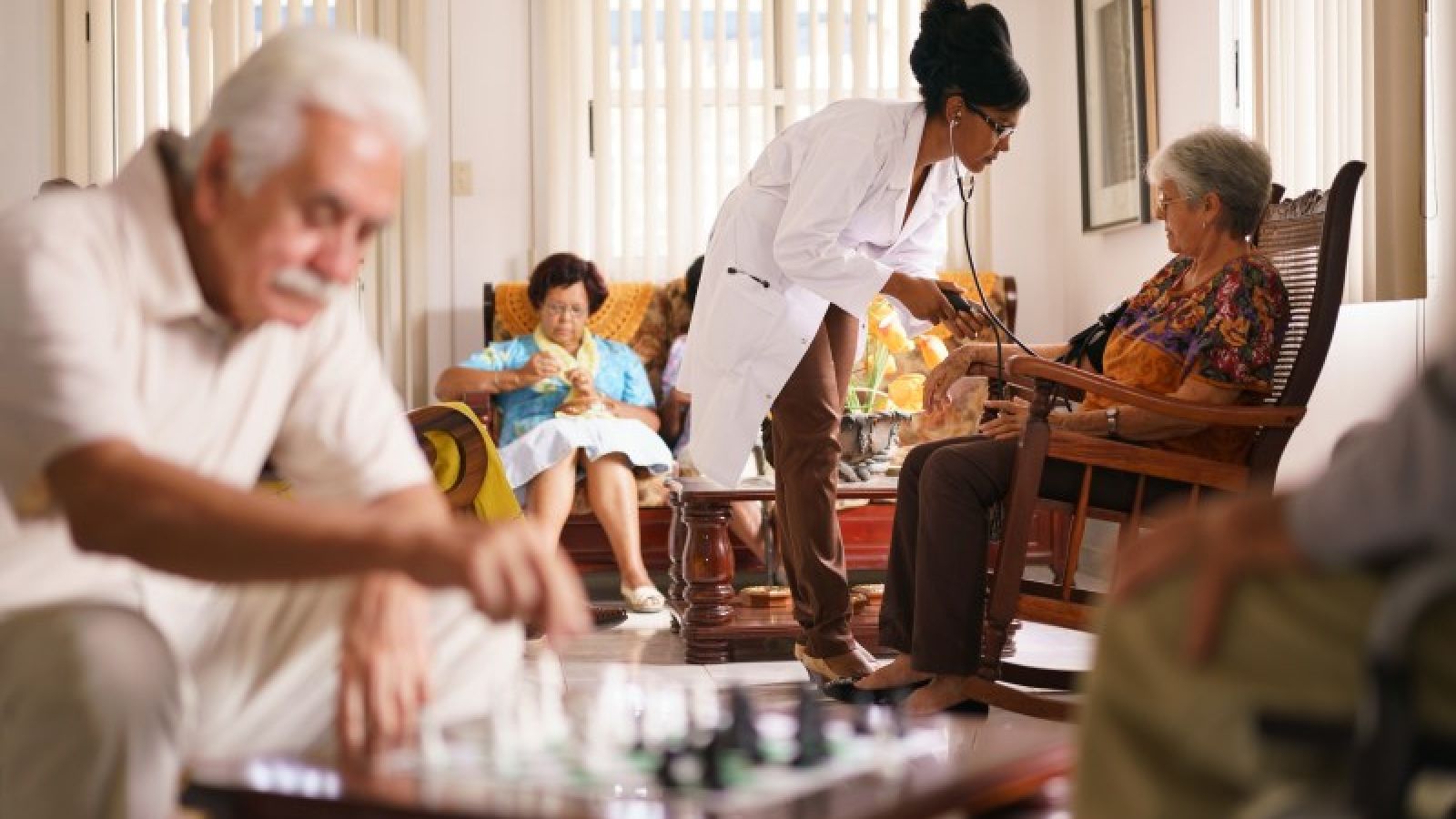
Convenient access to medical attention is another important part of comfortable senior living. Doctor At Home In Dubai services can help older adults receive medical consultations without the inconvenience of travelling to a healthcare facility. This option may be particularly useful for seniors who experience mobility difficulties or need medical guidance while remaining at home.
Why Comfortable Senior Living Matters
Comfortable senior living involves more than having a clean home and a convenient daily routine. It also includes physical safety, emotional wellbeing, independence, and access to appropriate healthcare.
As people age, they may experience reduced strength, joint stiffness, balance problems, or long-term health conditions. These changes can affect their ability to complete everyday activities independently.
A supportive home environment can make these challenges easier to manage. Seniors who receive appropriate assistance may feel more confident performing daily tasks while maintaining control over their personal routines.
How Elderly Home Care Creates a Comfortable Lifestyle
Home-based care allows older adults to receive support without leaving an environment they already know and trust.
Personalized Assistance for Everyday Needs
Every senior has different requirements. Some individuals may need help with bathing and dressing, while others may require assistance with walking, cooking, or maintaining household responsibilities.
Professional caregivers can provide support according to the individual's abilities and preferences. A personalized approach prevents unnecessary dependence and ensures that seniors receive help where it is genuinely needed.
Care plans can also be adjusted as health conditions and daily requirements change.
Familiar Surroundings and Daily Routines
Many older adults feel emotionally connected to their homes. Familiar furniture, family photographs, personal belongings, and neighbourhood surroundings can provide a sense of security.
Receiving care at home allows seniors to maintain many of their established habits. They can enjoy their favourite meals, follow familiar schedules, and spend time in surroundings that make them feel relaxed.
Maintaining these routines can support emotional stability and make the transition into receiving care less stressful.
Supporting Physical Health and Daily Comfort
Physical wellbeing is a major part of comfortable aging. Home caregivers can help seniors manage daily activities while reducing unnecessary physical strain.
Assistance With Personal Hygiene
Bathing, dressing, grooming, and maintaining oral hygiene may become difficult for seniors with limited mobility or reduced strength.
Caregivers can provide respectful assistance with these activities while protecting personal privacy and dignity. Regular hygiene support helps older adults remain clean, comfortable, and confident.
Mobility and Movement Support
Some seniors experience difficulty standing, walking, or moving between rooms. Caregivers can assist with safe movement and provide support when necessary.
They can also help families identify possible household hazards, such as slippery bathroom floors, loose carpets, and poorly lit hallways.
When recommended by a healthcare professional, suitable movement activities may help seniors maintain flexibility and physical function.
Healthy Meals and Hydration
Nutrition plays an important role in maintaining energy and supporting general health. However, preparing balanced meals can become challenging for older adults who experience physical limitations.
Home caregivers can assist with meal preparation and encourage regular hydration. Meals should reflect the senior's personal preferences and any dietary recommendations provided by healthcare professionals.
Creating a Safe Home Environment
A safe living space allows seniors to move around with greater confidence and reduces the risk of preventable accidents.
Reducing the Risk of Falls
Falls are a significant concern for older adults, particularly those with balance problems or reduced mobility. Even a minor accident can affect confidence and make everyday movement more difficult.
Families can improve home safety by installing grab bars, using non-slip bathroom mats, improving lighting, and keeping walkways free from clutter.
Caregivers can also provide appropriate assistance when seniors move around the home, helping them follow safer daily routines.
Supporting Seniors During Emergencies
Older adults may sometimes experience sudden health concerns that require immediate attention. Having someone available to recognize warning signs and contact appropriate services can be valuable.
Caregivers should understand emergency procedures and communicate concerns to family members. Serious symptoms, including chest pain, severe breathing difficulties, or sudden loss of consciousness, require immediate emergency medical assistance.
Improving Emotional Wellbeing Through Companionship
Comfortable senior living also depends on emotional health. Spending long periods alone can make some older adults feel isolated and disconnected.
Building Meaningful Connections
Caregivers can provide companionship through conversations, shared meals, reading, and enjoyable everyday activities. These interactions help seniors feel supported and give them opportunities to express their thoughts and feelings.
Regular family visits and communication can strengthen these connections further.
Encouraging Enjoyable Activities
Older adults should have opportunities to participate in activities that bring them happiness. Depending on their interests and physical abilities, they may enjoy gardening, listening to music, watching films, reading, or solving puzzles.
Caregivers can encourage suitable activities without creating pressure. The goal is to make daily life engaging and enjoyable.
Health Monitoring and Professional Care at Home
Some seniors need additional attention because of chronic health conditions or ongoing medical requirements. Home-based support can help families maintain a better understanding of their loved one's daily condition.
Medication Routine Assistance
Older adults may take several medications for different health conditions. Caregivers can provide reminders and help seniors follow their prescribed schedules.
Any changes to medication, dosage, or treatment should be made only under the guidance of a qualified healthcare professional.
Recognizing Changes in Health
Regular interaction makes it easier to notice changes in appetite, sleeping patterns, mood, mobility, or general behaviour.
Caregivers can communicate these observations to family members so that appropriate medical advice can be arranged. Professional nursing care may also be necessary when a senior requires clinical procedures or specialized health support.
How Families Can Support Comfortable Aging
Family involvement remains essential even when professional caregivers provide daily assistance. Relatives can help seniors feel valued by spending time with them, listening to their concerns, and respecting their preferences.
Families should communicate regularly with caregivers and review the care plan when new needs arise. They should also involve older adults in decisions about their routines, personal care, and living arrangements.
This cooperation creates a more supportive environment and helps ensure that care remains focused on the senior's comfort and dignity.
Choosing the Right Elderly Home Care Provider
Selecting a reliable home care provider requires careful planning. Families should review caregiver qualifications, experience, service availability, and the types of assistance offered.
It is important to understand whether the provider offers companionship, personal care, household assistance, or professional nursing services. Clinical tasks should only be performed by appropriately qualified healthcare professionals.
A suitable provider should also communicate clearly with families and offer care arrangements that can adapt to changing needs.
Conclusion
Elderly Home Care plays an important role in creating a comfortable and supportive lifestyle for older adults. Personalized assistance, safe living arrangements, healthy routines, companionship, and appropriate medical support can make everyday life easier.
With a reliable caregiver and active family involvement, seniors can continue enjoying familiar surroundings while maintaining as much independence as possible. Choosing suitable home care services helps create a respectful environment where older adults feel comfortable, secure, and valued.