
Understanding your health status is an important part of making responsible healthcare decisions. An HIV Test helps identify whether a person has human immunodeficiency virus infection, even when there are no noticeable symptoms. For beginners, learning about the available testing methods, sample collection, detection periods, and result interpretation can make the screening process easier to understand. Getting accurate information also helps reduce unnecessary worry and encourages timely medical care.
An STD Test In Dubai can help identify sexually transmitted infections and provide important information about your sexual health. Depending on your medical history and possible exposure, a healthcare professional can recommend appropriate screening, explain the available testing options, and guide you on the right time to get tested.
What Is HIV?
HIV stands for human immunodeficiency virus. It is a virus that attacks the immune system, particularly CD4 cells, which help the body fight infections and diseases.
Without treatment, HIV can gradually weaken the immune system and make it harder for the body to fight certain illnesses. However, modern medical treatment has made it possible for people living with HIV to manage the infection effectively.
HIV is not the same as AIDS. AIDS is the most advanced stage of HIV infection and may develop when the immune system becomes severely damaged without appropriate treatment. Not everyone with HIV develops AIDS, especially when they receive timely and consistent medical care.
Why Is an HIV Test Important?
An HIV Test is important because a person can have HIV without experiencing noticeable symptoms. Some individuals develop flu-like symptoms during the early stage, while others may feel completely healthy.
Testing provides a way to identify infection rather than relying on physical signs or assumptions. Early diagnosis also gives people the opportunity to begin treatment and receive appropriate medical guidance.
Knowing your HIV status can help you make informed decisions about your health, discuss prevention with partners, and access support when necessary.
Who Should Consider Getting Tested?
HIV screening may be appropriate for different people depending on their circumstances and possible exposure.
People Who Have Experienced Possible Exposure
Anyone who believes they may have been exposed to HIV through sexual contact, shared injection equipment, or another possible route should seek medical advice about testing.
The appropriate testing time depends on when the exposure occurred and which test is used.
People Starting a New Relationship
Partners may choose to discuss HIV screening before beginning a sexual relationship. Open communication about testing can help both people understand their health status and make informed decisions.
A negative result should still be interpreted according to the window period, particularly if either partner has experienced recent exposure.
People With Other Sexually Transmitted Infections
If someone has been diagnosed with another sexually transmitted infection, a healthcare professional may recommend HIV screening as part of a broader sexual health assessment.
Testing recommendations depend on individual circumstances, medical history, and possible exposure.
Different Types of HIV Tests
There are several testing methods available. Each one looks for specific markers of HIV infection and has its own detection period.
Antibody Tests
Antibody tests identify proteins produced by the immune system in response to HIV. Depending on the test, the sample may come from blood or oral fluid.
These tests are widely used for screening, but they generally have a longer window period than laboratory antigen/antibody tests.
Antigen/Antibody Tests
These tests look for HIV antibodies and an antigen called p24. The p24 antigen can become detectable before antibodies develop, which allows certain tests to identify infection earlier.
Laboratory antigen/antibody tests using blood from a vein can generally detect HIV approximately 18 to 45 days after exposure.
Nucleic Acid Tests
Nucleic acid tests, commonly known as NAT tests, look for HIV genetic material in the blood.
They can generally detect HIV approximately 10 to 33 days after exposure. These tests may be recommended in particular situations, such as suspected recent infection, but they are not necessary for every routine screening appointment.
Understanding the HIV Testing Process
For beginners, the testing process may seem unfamiliar, but most screening procedures are straightforward.
Initial Medical Discussion
A healthcare professional may ask about your medical history, possible exposure, and any symptoms you have experienced.
This information helps determine which test may be appropriate and whether additional screening is necessary.
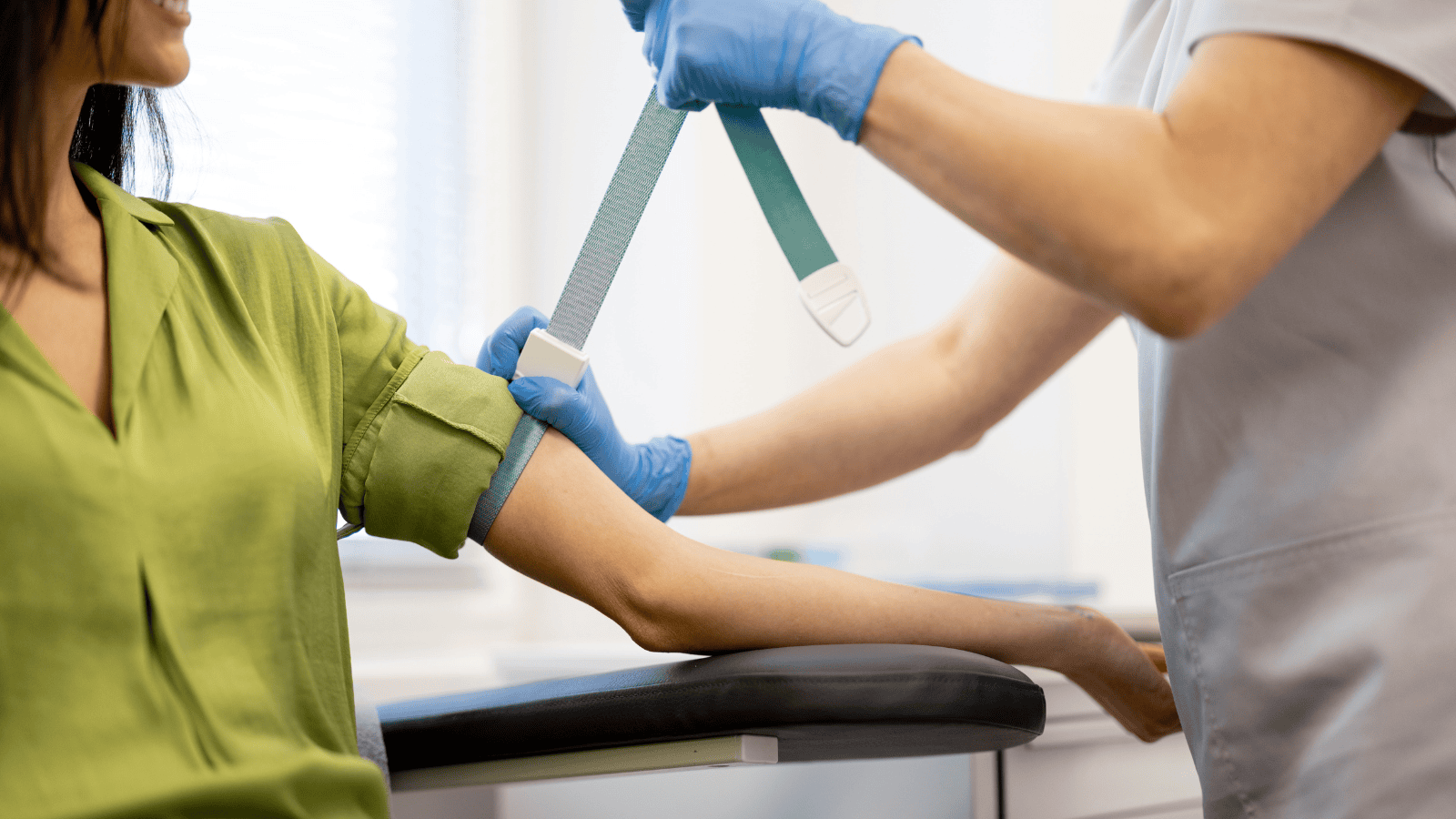
Sample Collection
Depending on the selected test, a sample may be collected from a vein, through a finger prick, or using an approved oral fluid collection method.
The healthcare professional or testing provider will explain the collection process and any instructions you need to follow.
Laboratory Examination
The collected sample is examined using the selected testing method. The laboratory checks for specific markers associated with HIV infection.
Some tests provide rapid results, while laboratory testing may take longer.
Receiving Your Results
Once testing is complete, the result is communicated through the testing provider. If an initial screening result is reactive, additional testing is required to confirm the diagnosis.
A negative result may also require follow-up if the test was performed during the window period.
What Is the HIV Window Period?
The window period refers to the time between possible exposure to HIV and the point when a particular test can reliably detect infection.
Testing too early may produce a negative result even if infection has occurred. This happens because the test may not yet detect enough of the specific marker it is designed to identify.
NAT tests can generally detect HIV approximately 10 to 33 days after exposure. Laboratory antigen/antibody tests using blood from a vein can generally detect it approximately 18 to 45 days after exposure. Antibody-only tests may take approximately 23 to 90 days.
These timeframes are estimates and depend on the test used. A healthcare professional can advise whether repeat testing is necessary.
If you think you may have been exposed to HIV within the last 72 hours, seek urgent medical advice about post-exposure prophylaxis (PEP). PEP should be started as soon as possible and is generally not recommended to begin after 72 hours. Do not wait for a screening result before seeking medical attention.
How Should You Understand Your HIV Test Results?
An HIV screening report may contain different result terms, and understanding them is important.
A negative result generally means that the test did not detect the HIV markers it was designed to identify. However, a negative result during the window period may not rule out infection.
A reactive result means that the screening test has detected something that requires further investigation. It is not automatically a confirmed diagnosis, and additional testing is needed according to the recommended diagnostic process.
An indeterminate result means that the laboratory could not provide a clear conclusion. Repeat testing or another testing method may be recommended.
Always discuss your results with a qualified healthcare professional to understand what they mean in your circumstances.
Can HIV Be Treated?
There is currently no widely available cure for HIV, but effective treatment is available. Antiretroviral therapy, known as ART, helps control the virus and protects the immune system.
People who take their treatment consistently can often achieve an undetectable viral load. When an undetectable viral load is maintained, HIV is not transmitted through sex. This is known as Undetectable = Untransmittable (U=U).
Early diagnosis and regular medical follow-up help people manage HIV and maintain their quality of life.
Conclusion
Learning about HIV screening is an important first step towards responsible healthcare. An HIV Test can identify infection even when symptoms are absent, helping people access medical care and make informed decisions. Understanding different testing methods, window periods, and laboratory results can also prevent confusion. If you have experienced possible exposure or need routine screening, speak with a qualified healthcare professional about the appropriate test and timing. Early detection and effective treatment can make a meaningful difference to long-term health.