
Home Care Services provide valuable assistance to elderly people who need support with personal care, mobility, household routines, and everyday activities. As people grow older, certain tasks can become more challenging because of reduced strength, limited movement, or changing health needs. Professional home care can help older adults receive appropriate support while remaining in familiar surroundings.
When an elderly person needs a medical assessment, Doctor At Home In Dubai services can provide access to a healthcare professional at home when appropriate. A doctor can assess symptoms, review health concerns, and recommend suitable treatment or additional care.
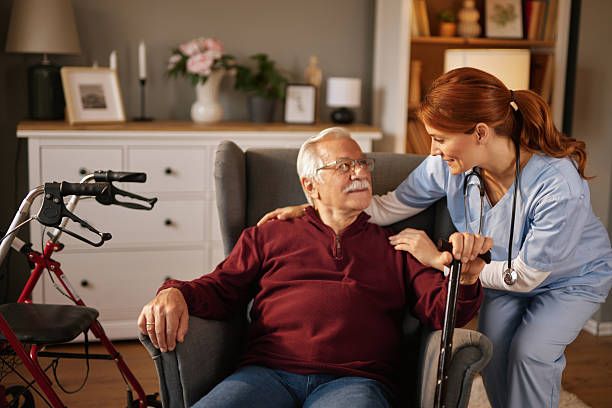
Why Do Elderly People Need Home Care Services?
Ageing can bring changes in physical abilities, memory, balance, and general health. Some older adults remain independent, while others need regular assistance with activities such as bathing, dressing, preparing meals, or moving around the house.
Family members often provide support, but managing every care responsibility can become difficult alongside work and other commitments. Professional home care can help families arrange suitable assistance based on the older person's needs.
The purpose of elderly care is not to remove independence. Instead, it should help older adults complete daily activities as comfortably and safely as possible while respecting their preferences and dignity.
Types of Home Care Services for Elderly People
Personal Care Assistance
Personal care is an important part of elderly support. Some older adults may need help with bathing, dressing, grooming, oral hygiene, and other everyday activities.
A trained caregiver can provide assistance respectfully while encouraging the individual to manage tasks they can safely complete independently.
Mobility and Movement Support
Reduced strength or balance difficulties can make walking and moving around the home challenging. Caregivers may assist older adults with movement, transfers, and everyday activities according to their care plan.
Families can also discuss suitable mobility aids and home adjustments with healthcare professionals.
Meal Preparation and Nutrition Support
Preparing meals can become difficult for older adults who have limited mobility or reduced energy. Home care may include assistance with meal preparation and maintaining regular mealtimes.
Meals should be appropriate for the individual's dietary needs. If an older person has a medical condition requiring a specific diet, families should follow advice from a qualified healthcare professional.
Companionship and Emotional Support
Older adults may sometimes experience loneliness, particularly when they live alone or have limited social interaction. Companionship can help make daily life more engaging.
Caregivers may spend time talking, reading, participating in hobbies, or supporting suitable recreational activities. These interactions can encourage social connection and emotional wellbeing.
Medication Routine Assistance
Some elderly individuals take several prescribed medicines and may find their medication schedules difficult to manage.
Depending on the care arrangement, caregivers may provide reminders or organizational assistance. Actual medication administration should be performed by appropriately qualified professionals when required and according to the prescription.
Home Nursing Support
Some older adults require clinical assistance in addition to general caregiving. Qualified nurses may provide services such as wound dressing, prescribed medication administration, and vital sign monitoring when included in the care plan.
These nursing activities should be coordinated with the patient's treating healthcare professional.
Benefits of Home Care Services for Older Adults
Remaining in Familiar Surroundings
Many older adults feel more comfortable in their own homes because they are familiar with the environment, belongings, and daily routines.
Receiving suitable support at home may help them maintain these routines while getting assistance with activities that have become difficult.
Personalized Attention
Every older person has different needs. Some require occasional help with household activities, while others need regular personal care or professional nursing support.
A personalized care plan helps ensure that assistance matches the individual's abilities, health requirements, and preferences.
Maintaining Independence
Good elderly care encourages people to remain involved in their own daily activities. Caregivers should provide support where needed without unnecessarily taking over tasks the person can manage.
This approach can help older adults maintain confidence and a sense of control over their lives.
Support for Family Members
Families often want to provide the best possible care for elderly relatives, but balancing caregiving with other responsibilities can be challenging.
Professional support can help share daily care responsibilities. It also allows family members to spend quality time with their loved ones without managing every practical task alone.
Improved Daily Comfort
Assistance with hygiene, meals, mobility, and everyday routines can make daily life more manageable. A suitable home care arrangement can also help families identify areas where additional support may be needed.
Signs an Elderly Person May Need Home Care
Families should pay attention to changes in an older adult's everyday activities and general wellbeing.
Difficulty maintaining personal hygiene, regularly missing meals, struggling to move around the home, or finding household routines increasingly challenging may indicate a need for additional assistance.
Other changes, such as repeated falls, confusion, unusual weakness, or sudden changes in behaviour, should be discussed with a healthcare professional. Sudden or severe symptoms may require urgent medical assessment.
Arranging support early can help families understand the individual's needs and plan suitable assistance.
How to Choose the Right Home Care Provider
Understand the Elderly Person's Needs
Begin by identifying the activities that require assistance. Consider personal hygiene, mobility, meal preparation, companionship, and any medical or nursing requirements.
The older adult should be involved in these decisions whenever possible.
Check Caregiver Experience
Ask about staff training, relevant experience, and the provider's selection procedures. If professional nursing is needed, verify that the assigned nurse has appropriate qualifications.
Discuss the Care Schedule
Different older adults need different levels of support. Some may benefit from occasional visits, while others require more regular assistance.
Discuss the proposed schedule and confirm that it matches the person's daily routine.
Review Safety and Communication
A reliable provider should explain how care activities are documented and how concerns are communicated to families. Everyone involved should understand whom to contact if the older person's condition changes.
Preparing a Home for Elderly Care
A suitable home environment can make everyday activities easier for older adults. Keep walkways clear, provide adequate lighting, and place frequently used belongings within easy reach.
Bathrooms and stairways may need additional safety arrangements depending on the individual's mobility. Families should discuss suitable equipment, such as grab bars or walking aids, with an appropriate professional.
Keep important medical information, prescriptions, allergy details, and emergency contact information accessible to the care team.
When Should Elderly Patients Receive Medical Attention?
Home care supports daily living, but it cannot replace medical diagnosis or emergency treatment. If an older person develops new symptoms, persistent pain, fever, or a noticeable change in health, contact a healthcare professional.
Sudden weakness, severe chest pain, serious breathing difficulty, loss of consciousness, or severe confusion require urgent medical attention. Families should contact emergency services rather than waiting for the next home care appointment.
Frequently Asked Questions
Are Home Care Services Suitable for Elderly People Living Alone?
Yes. Older adults who live alone may benefit from assistance with personal care, meals, mobility, and companionship, depending on their needs.
What Does Elderly Home Care Usually Include?
It may include bathing assistance, dressing, meal preparation, mobility support, companionship, and help with everyday activities.
Can Home Care Services Support Elderly Patients After Surgery?
Yes, when the patient is medically suitable for home recovery. Caregivers can assist with daily activities, while clinical procedures should be handled by qualified healthcare professionals.
How Do Families Know When to Arrange Elderly Care?
If an older adult struggles with personal hygiene, meals, mobility, or daily routines, additional support may be helpful. Discuss health-related concerns with a qualified professional.
Conclusion
Home Care Services can help elderly people manage everyday activities while maintaining comfort, dignity, and independence. From personal hygiene and mobility assistance to companionship and qualified nursing support, the right care arrangement can address a wide range of individual needs.
Families should choose a provider carefully by reviewing staff experience, available services, and the proposed care plan. By involving older adults in decisions and coordinating with healthcare professionals when necessary, families can create a supportive home environment that respects their loved ones' preferences.