
Home Nursing Services make professional nursing support accessible to patients who need medical assistance, recovery care, or help managing daily healthcare routines. Instead of travelling to a medical facility for every suitable nursing requirement, individuals can arrange qualified professionals to visit their homes. These services can support elderly patients, people recovering after surgery, and individuals living with long-term medical conditions.
In addition to nursing assistance, Doctor At Home In Dubai services can provide access to medical consultations at home when appropriate. Having medical guidance alongside professional nursing support can help patients and families organise healthcare more conveniently and follow suitable treatment recommendations.
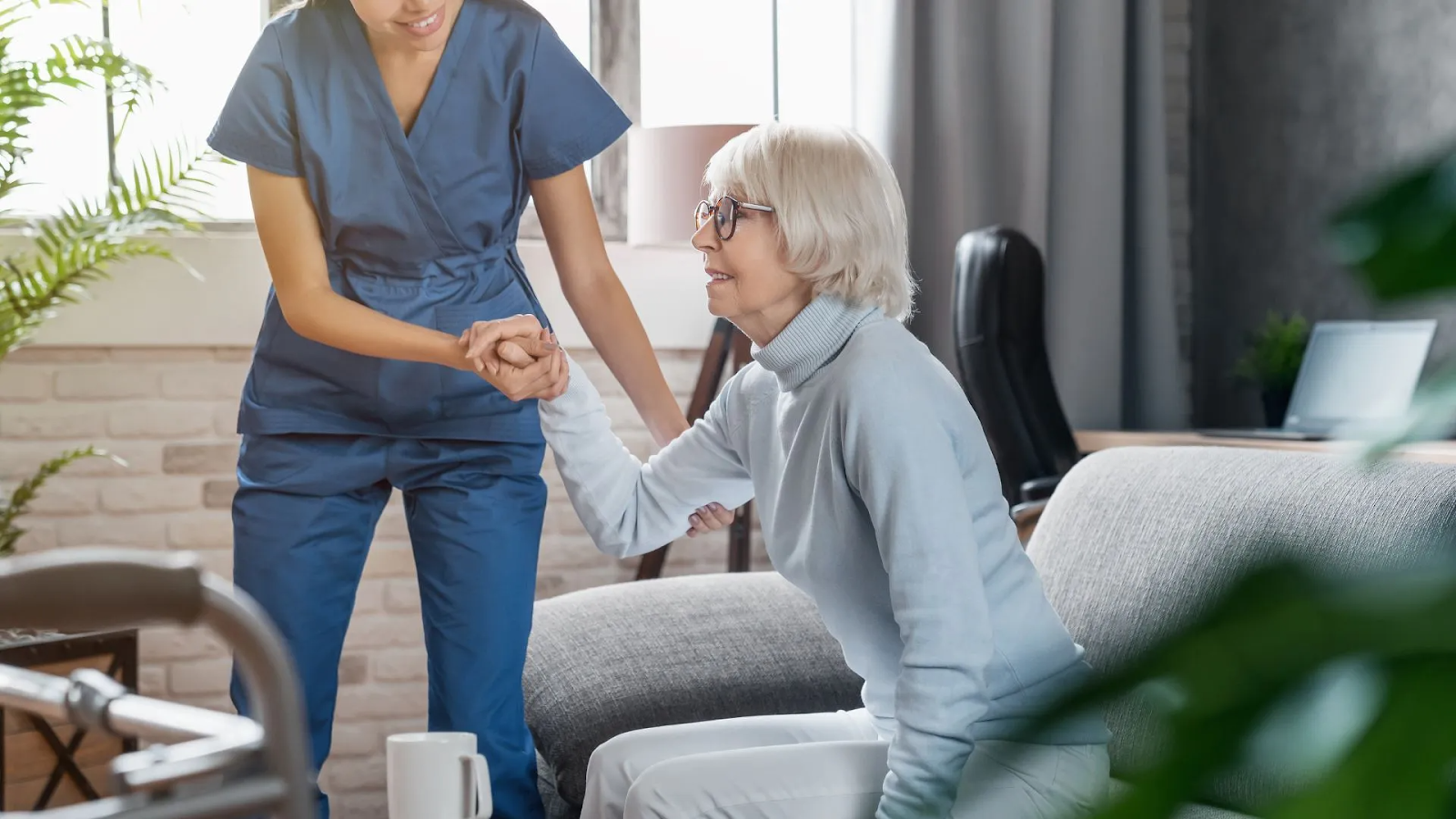
What Are Home Nursing Services?
Home nursing services involve providing professional nursing care at a patient's residence. They are designed for people who need assistance with clinical procedures, health monitoring, recovery, or certain daily activities related to their medical condition.
Depending on the patient's requirements, a qualified nurse may assist with wound dressing, prescribed injections, medication administration, vital sign monitoring, and mobility support. The available services depend on the provider, the nurse's qualifications, and the patient's individual care plan.
Home nursing is different from informal caregiving because clinical tasks are performed by trained professionals within their authorised scope of practice. This helps ensure that appropriate procedures and safety measures are followed.
Types of Home Nursing Services Available
Skilled Nursing Care
Skilled nursing care involves clinical tasks that require professional training. Patients may need assistance with wound management, injections, medication administration, or monitoring specific health measurements.
A nurse performs these tasks according to the care plan and instructions from the treating healthcare professional. The type and frequency of care depend on the patient's condition.
Elderly Nursing Care
Older adults may require additional assistance because of mobility difficulties, chronic illnesses, or age-related health changes. Home nursing can provide support with prescribed medication routines, personal hygiene, mobility, and monitoring relevant health indicators.
The level of assistance should reflect the patient's individual abilities and preferences. Some elderly individuals need occasional nursing visits, while others may require more regular support.
Post-Operative Nursing Care
Patients recovering from surgery may need help with wound dressing, monitoring the surgical site, and following discharge instructions. Home nursing can provide suitable follow-up assistance when the treating doctor confirms that the patient can safely receive care at home.
Nurses can also observe changes that may require medical attention, such as unusual swelling, worsening pain, or signs of infection.
Chronic Disease Support
People managing long-term conditions such as diabetes or hypertension may need regular health monitoring. Depending on their care plans, nurses may check blood pressure, measure blood glucose, and communicate relevant observations to the treating clinician.
This support can help patients follow their recommended healthcare routines more consistently.
Benefits of Receiving Nursing Care at Home
One important advantage is convenience. Patients can receive suitable nursing assistance without arranging transportation or spending additional time travelling to a healthcare facility.
Home-based care can also provide a familiar environment. Some individuals feel more comfortable receiving assistance in their own homes, particularly when they are recovering from illness or experiencing mobility difficulties.
Another benefit is personalised attention. A nurse can focus on the agreed care requirements and communicate directly with the patient and family members.
For caregivers, professional nursing support can reduce the pressure of managing clinical tasks without appropriate training. Family members can remain involved while qualified professionals handle the nursing responsibilities assigned to them.
Who Can Benefit From Home Nursing Services?
Home nursing can be useful for patients with different healthcare needs. Elderly individuals may benefit from assistance with daily medical routines, while people recovering from surgery may need wound care and regular observation.
Patients living with chronic conditions can receive support with prescribed monitoring requirements. Individuals with physical disabilities or limited mobility may also find home visits more convenient than repeated travel to medical facilities.
Families caring for children or adults with additional medical needs may benefit from professional guidance and suitable nursing assistance. Paediatric nursing, however, requires professionals with appropriate experience and qualifications.
Not every patient is suitable for home-based care. Those who need emergency treatment, intensive monitoring, or specialised hospital procedures should receive care at an appropriate medical facility.
How Do Home Nursing Services Work?
The process generally begins with a discussion about the patient's condition and the assistance required. The provider may request a prescription, medical history, discharge summary, or other relevant information.
After reviewing the requirements, the provider determines whether home nursing is appropriate and arranges a suitable professional. The assigned nurse visits the patient's residence, confirms the care instructions, and prepares the necessary equipment.
During the appointment, the nurse performs the agreed tasks and records relevant observations. For ongoing care, follow-up visits may be scheduled according to the patient's needs and medical recommendations.
Communication with the treating doctor is important, particularly when the patient experiences new symptoms or changes in their condition.
What to Check Before Booking a Home Nursing Service
Choosing a suitable provider requires attention to professional qualifications and service quality. Patients should ask whether nurses have the relevant training and experience for the required procedures.
It is also important to understand which services are available, how appointments are arranged, and whether the provider can offer the required level of care. Patients should ask how the nurse communicates important observations to the treating healthcare professional.
Hygiene practices, patient privacy, and proper equipment handling should also be considered. The provider should explain the procedure and answer questions before nursing care begins.
Safety and Hygiene During Home Nursing
Safety is essential whenever clinical procedures are performed at home. Nurses should follow hand hygiene practices, use suitable protective equipment, and maintain a clean working area.
Sterile, single-use supplies should be used when required, and medical waste must be handled according to appropriate disposal procedures. Patient identity and treatment instructions should be checked before performing clinical tasks.
Families can support safe care by providing accurate information about allergies, medications, previous medical problems, and any difficulties the patient has experienced during earlier procedures.
If a patient develops severe symptoms such as chest pain, serious breathing difficulties, or loss of consciousness, emergency medical assistance should be arranged immediately.
How Much Do Home Nursing Services Cost?
The cost of home nursing depends on several factors, including the type of care, duration of the visit, nurse's qualifications, location, and frequency of appointments.
A short nursing visit for a specific procedure may have a different price from an extended shift or ongoing care arrangement. Specialised nursing requirements and additional medical supplies may also affect the total cost.
Patients should request a clear price breakdown before confirming an appointment. Understanding what is included in the service can help families plan their healthcare expenses.
Conclusion
Home Nursing Services provide valuable support for individuals who need professional medical assistance, elderly care, post-operative recovery, or ongoing health monitoring. By arranging qualified nursing professionals at home, patients can receive suitable care in a familiar environment while families gain additional support. Understanding the available services, checking professional qualifications, and following an appropriate care plan can help ensure a safe and comfortable experience.