
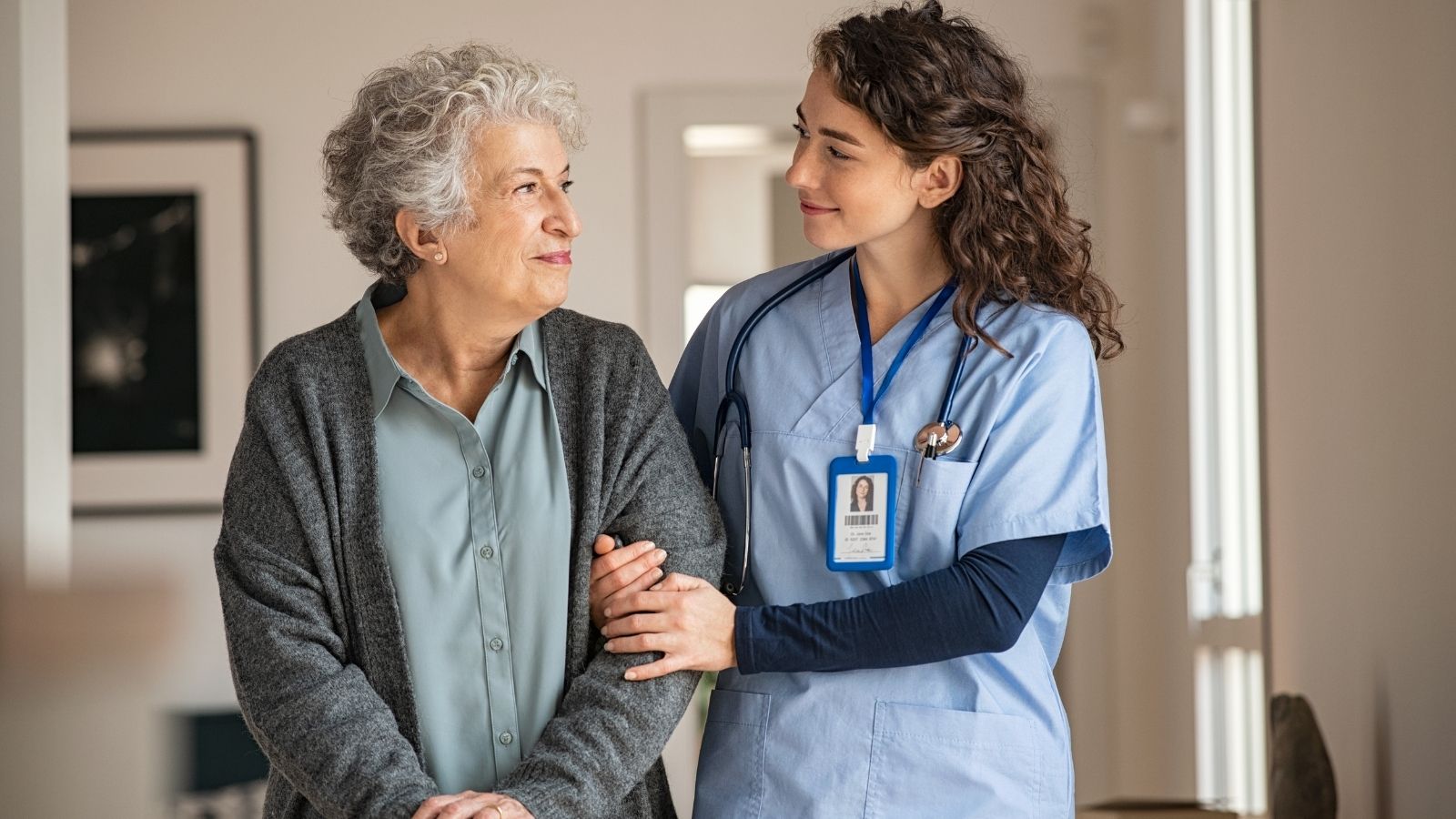
Home Nursing Services can provide valuable professional support to patients who are recovering from surgery, illness, injury, or other medical conditions. In Dubai, receiving suitable nursing care at home allows patients to remain in a familiar environment while getting assistance based on their healthcare needs.
Recovery does not always end when a patient leaves the hospital. Some people may still need help with prescribed care, mobility, medication routines, wound management, or regular health monitoring. Professional nursing support can make this period easier to manage while helping patients follow the recommendations provided by their healthcare team.
Doctor at home in Dubai
A Doctor at home in Dubai can assess a patient's condition in the comfort of their home and provide appropriate medical guidance. When continued nursing support is suitable, the doctor may recommend a care plan based on the patient's condition, treatment requirements, and recovery progress.
Why Home Care Can Support Recovery
Recovering at home can be more comfortable for many patients because they can stay in familiar surroundings. Instead of spending additional time traveling to healthcare facilities for suitable follow-up care, patients may receive appropriate nursing assistance at home.
A familiar environment can also allow patients to remain close to family members. Relatives can participate in the recovery process while professional nurses provide the healthcare support that falls within their qualifications.
The goal is to make the recovery process organized and comfortable while following the patient's medical instructions.
Support After Surgery
Patients recovering from surgery may need additional assistance during the first days or weeks after returning home. Depending on the procedure, they may have limited mobility or need help following post-operative instructions.
A qualified nurse may assist with appropriate wound care, monitor relevant health changes, support prescribed treatment routines, and communicate concerns to the patient's healthcare team when necessary.
Post-surgical care should always be based on the instructions provided by the treating healthcare professionals. Recovery requirements can vary considerably depending on the type of surgery and the patient's overall health.
Assistance for Elderly Patients
Older adults may require additional support during recovery because reduced mobility or existing health conditions can make daily activities more challenging.
Professional nursing care can help seniors receive appropriate assistance while remaining in their own homes. Depending on their individual requirements, this may include health monitoring, mobility assistance, personal care, and support with prescribed healthcare routines.
Home-based care can also allow family members to remain closely involved while ensuring that appropriate professional support is available.
Personalized Recovery Support
Every recovery journey is different. Some patients may recover quickly and need only temporary assistance, while others may require continuing support for a longer period.
A personalized care approach can consider the patient's medical condition, mobility, treatment instructions, daily routine, and level of independence. Nursing professionals can then provide care according to the established healthcare plan.
This individualized approach can be particularly useful when a patient has several healthcare requirements that need to be managed together.
Monitoring During Recovery
Health monitoring can be an important part of recovery for certain patients. Qualified nursing professionals may monitor appropriate vital signs, observe changes in the patient's condition, and communicate relevant observations to the healthcare team.
Monitoring does not mean that a nurse replaces a doctor. Instead, it can provide useful ongoing observation as part of a broader medical care plan.
If a patient develops severe symptoms or experiences a sudden deterioration, emergency medical attention should be obtained rather than relying on routine home care.
Medication-Related Assistance
Following a prescribed medication schedule can be an important part of recovery. Some patients may find it difficult to manage their healthcare routine independently, especially after surgery or during periods of weakness.
Where appropriate and within professional scope, nurses can assist with medication-related care according to the instructions provided by the patient's healthcare team.
Patients should never change dosages, stop medications, or begin new treatments without appropriate medical guidance.
Wound and Post-Treatment Care
Certain patients may require professional assistance with wound management following surgery or injury. Appropriate wound care can help maintain cleanliness and allow healthcare professionals to monitor the healing process.
The exact care required depends on the type of wound and the patient's medical instructions. Qualified nursing professionals can follow the prescribed approach and identify changes that may require further medical assessment.
Families should avoid attempting unfamiliar clinical procedures without proper instruction from a qualified healthcare professional.
Helping Patients Regain Independence
The purpose of recovery support is not always to provide assistance indefinitely. As patients improve, they may gradually become more independent with everyday activities.
Professional nursing care can support this transition by providing appropriate assistance while allowing patients to participate in activities they can safely manage.
For elderly individuals and patients recovering from illness or surgery, gradual improvement can be an important part of returning to their normal routine.
Family Involvement in Recovery
Family members can play an important role in supporting a patient's recovery. Emotional encouragement, companionship, and help with everyday activities can make the home environment more supportive.
However, families may not have professional medical training. Nursing support can therefore provide an additional layer of appropriate healthcare assistance.
Good communication between relatives, nursing professionals, and doctors can help everyone understand the patient's progress and ongoing requirements.
Preparing the Home for Recovery
A suitable home environment can make recovery easier. Patients may need a comfortable resting area and enough space to move safely, particularly if mobility is temporarily limited.
Important medical information should also be kept accessible. Prescriptions, treatment instructions, relevant test results, and contact information for the healthcare team can be useful during home care.
Families should communicate any changes in the patient's condition to the appropriate healthcare professional rather than making independent treatment decisions.
Choosing Professional Nursing Care
When selecting a home nursing provider, families should consider the qualifications and experience of the nursing professionals, the services offered, availability, communication standards, and whether the provider can meet the patient's specific needs.
It is important to choose care that matches the patient's medical requirements. Families should also understand the scope of services before beginning a home healthcare arrangement.
Professional and clear communication can help create a more organized recovery experience.
Final Thoughts
Home Nursing Services can provide important support during recovery by bringing suitable professional nursing assistance into the patient's home. From post-surgery care and health monitoring to elderly support and assistance with prescribed healthcare routines, home nursing can address a variety of needs.
A comfortable home environment, personalized care, qualified professionals, and communication with the treating healthcare team can help make recovery more manageable. The appropriate care plan should always be based on the patient's individual condition and professional medical recommendations.