
As people grow older, they may need additional support with daily activities, mobility, personal care, and ongoing health needs. Home Nursing Services provide professional assistance in a familiar home environment, helping elderly patients receive suitable care while staying close to their families.
Doctor at home in Dubai can also provide convenient medical attention when an elderly patient needs professional assessment or healthcare guidance without the difficulty of traveling to a clinic. Combining medical supervision with appropriate nursing support can make elderly care more organized and comfortable.
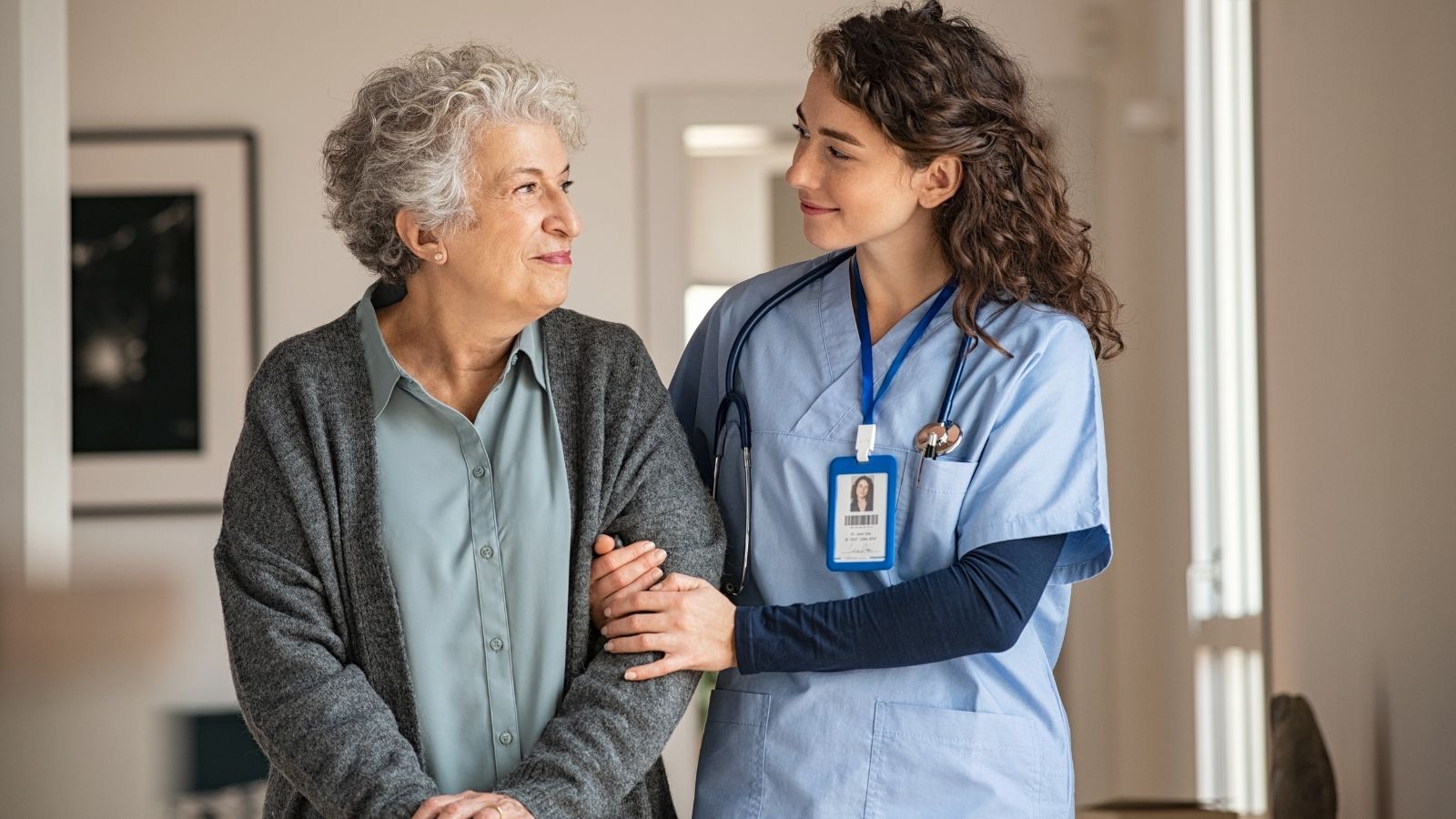
Understanding Elderly Home Nursing
Elderly patients can have different levels of independence and healthcare needs. Some seniors may only require occasional assistance, while others may need regular support with daily activities or ongoing health conditions.
Home Nursing Services are designed to provide care based on the individual's requirements. Professional nurses may assist with mobility, personal hygiene, health monitoring, prescribed care routines, and other suitable forms of patient support.
The purpose is not simply to provide assistance but to help elderly individuals maintain comfort, dignity, and as much independence as safely possible.
Why Seniors May Benefit From Home Care
Traveling regularly to healthcare facilities can be difficult for older adults, especially those with limited mobility or physical weakness. Transportation may also require assistance from family members.
Home-based nursing can reduce some of these challenges by bringing professional support to the patient's home. Seniors can remain in familiar surroundings while receiving appropriate assistance.
This can make daily healthcare routines easier to manage and may also reduce the physical effort associated with unnecessary travel.
Supporting Daily Activities
Some elderly patients need assistance with everyday activities because of reduced strength, mobility issues, or health conditions. Simple tasks can become challenging when someone has difficulty standing, walking, or maintaining personal hygiene.
A professional nurse can provide suitable assistance according to the patient's care requirements. This may include mobility support, personal hygiene assistance, positioning, and other daily activities that are appropriate for the patient's condition.
Having professional help can also reduce the physical strain placed on family members who may otherwise need to provide this assistance themselves.
Personalized Care for Older Adults
No two elderly patients have exactly the same needs. One person may remain highly independent but need help with health monitoring, while another may require more regular assistance throughout the day.
Personalized care allows nursing support to focus on the patient's actual requirements. A professional can follow an established care plan and adjust day-to-day assistance according to the patient's condition and professional recommendations.
This approach can help seniors receive appropriate support without unnecessarily limiting their independence.
Monitoring Health at Home
Regular observation can be important for elderly individuals, particularly those managing long-term health conditions. Depending on the care plan, a nurse may monitor vital signs or observe changes in mobility, appetite, energy levels, or general wellbeing.
Relevant observations can be communicated to the appropriate healthcare professional when necessary. This can help families remain aware of changes and seek medical advice when appropriate.
Home monitoring does not replace regular medical consultations, diagnostic testing, or emergency care, but it can complement an elderly patient's overall healthcare plan.
Support After Illness or Hospitalization
Returning home after hospitalization can be challenging for an older adult. Patients may feel weak and may temporarily need additional assistance while rebuilding their strength.
Professional nursing care can support this transition. A nurse may assist with appropriate daily routines, mobility, personal care, and other responsibilities included in the patient's recovery plan.
Having additional support during this period can help families manage the patient's needs while allowing the elderly person to recover in a familiar environment.
Helping Family Caregivers
Family members often provide important support to elderly relatives. However, caregiving can become demanding when a senior requires regular assistance.
Professional nursing can share some of these responsibilities. This allows family members to remain involved while reducing the pressure of managing every aspect of daily care.
A balanced approach can benefit both the patient and the family. Seniors receive professional assistance, while relatives have more time to focus on companionship and emotional support.
Protecting Dignity and Independence
Elderly care should always involve respect and patience. Seniors may feel uncomfortable when they begin needing assistance with activities they previously managed independently.
Professional nurses can help maintain dignity by providing care discreetly and respectfully. Whenever medically appropriate, patients should be encouraged to participate in activities they can safely perform themselves.
Supporting independence can contribute to a stronger sense of confidence and wellbeing while still providing necessary assistance.
Creating a Safer Home Environment
Home care can also help families recognize areas where an elderly patient's environment may need additional attention. Limited mobility can increase the importance of keeping frequently used areas accessible and reducing unnecessary obstacles.
A patient's care requirements should be assessed individually. Families can discuss appropriate safety measures with healthcare professionals, particularly when a senior has mobility or balance concerns.
Professional support combined with a suitable home environment can make daily activities more manageable.
Choosing the Right Nursing Provider
When selecting Home Nursing Services for an elderly family member, it is important to consider the qualifications and experience of the nursing staff. Families should also understand what services are available and whether they match the patient's specific requirements.
Communication is equally important. The family should know how the patient's care will be coordinated and how important changes in the patient's condition will be reported.
A reliable provider should focus on patient safety, privacy, dignity, professionalism, and compassionate care.
When Elderly Patients Need Additional Medical Attention
Home nursing can support many routine care needs, but certain situations require direct medical attention. Sudden severe symptoms, serious injuries, difficulty breathing, loss of consciousness, or other emergency situations should receive immediate emergency medical care.
Families should follow the patient's established medical plan and seek professional advice whenever they are concerned about a significant change in health.
Comfortable Care for Seniors at Home
Aging does not mean that a person must automatically give up the comfort and familiarity of home. With suitable professional assistance, many elderly patients can continue living in their familiar surroundings while receiving support for their healthcare and daily needs.
Home Nursing Services provide a practical option for families who want professional assistance for an elderly loved one. From daily activities and mobility support to recovery assistance and appropriate health monitoring, home-based nursing can help create a more comfortable and organized care routine.
With personalized attention, qualified professionals, and proper coordination with the patient's healthcare team, elderly patients can receive respectful support while remaining close to their families and familiar surroundings.