
Cerebral palsy can affect movement, muscle coordination, posture, balance, and other physical functions. The condition affects each individual differently, so treatment is usually designed around personal abilities and specific functional needs. Cerebral Palsy Treatment In Dubai can include rehabilitation and supportive therapies that help patients work toward practical goals and manage everyday activities more comfortably.
Medical Care at Home
Doctor at home in Dubai services can provide medical assessment and follow-up support for patients who may have difficulty traveling to a healthcare facility. Home-based medical care may complement rehabilitation when it is appropriate for the patient's healthcare plan.
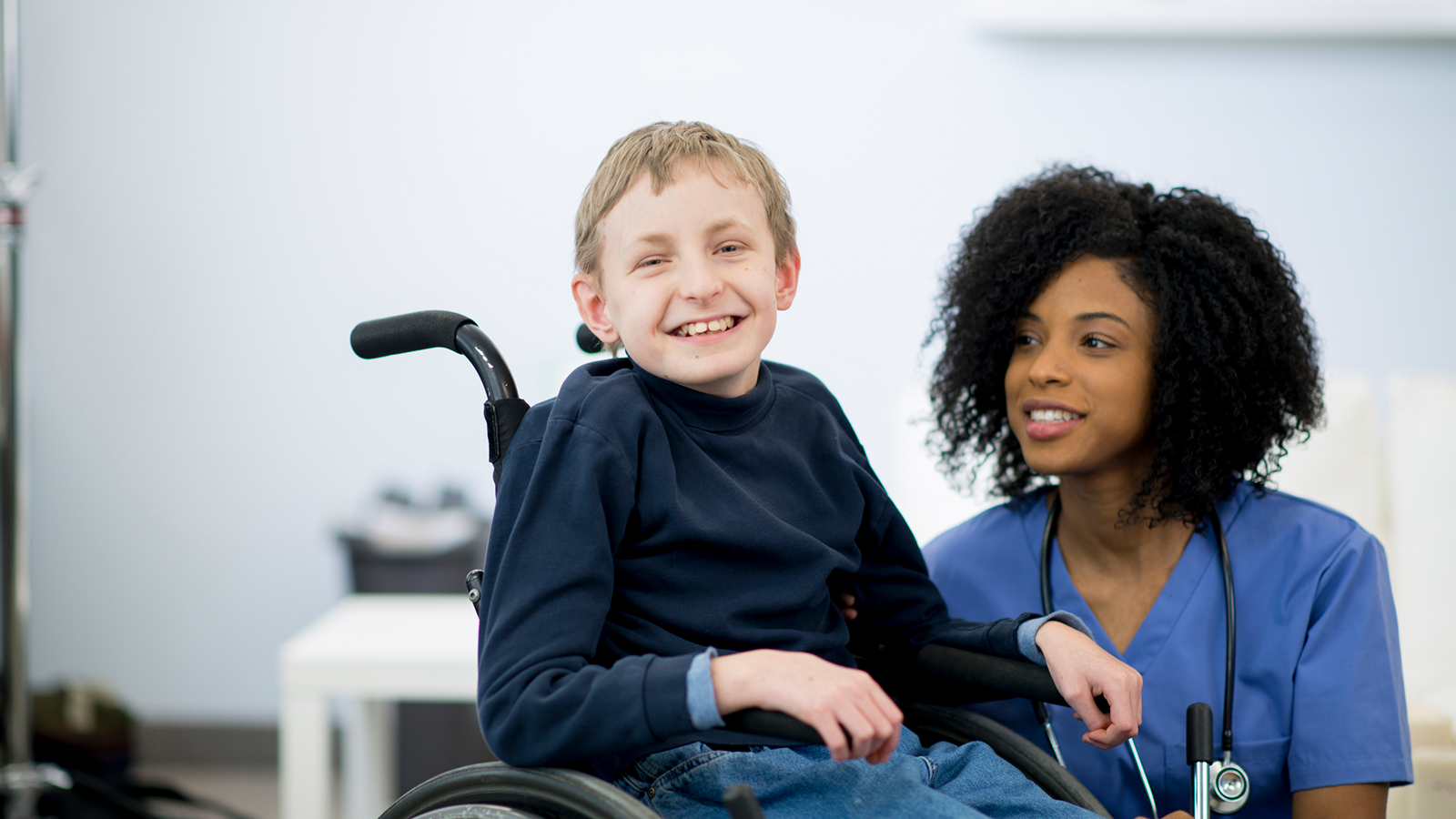
How Rehabilitation Supports Patients
Rehabilitation focuses on helping patients develop, maintain, or adapt functional abilities. Depending on the individual's condition, treatment may address movement, strength, flexibility, balance, communication, self-care, and mobility.
A rehabilitation plan is not necessarily the same throughout a person's life. Goals may change as children grow or as adults experience changes in their physical abilities. Regular assessments can help healthcare professionals modify treatment according to current needs.
Physical Therapy and Movement
Physical therapy is an important component of rehabilitation for many people with cerebral palsy. A physiotherapist can assess movement patterns and develop exercises that address specific functional goals.
Therapy may focus on balance, posture, muscle strength, flexibility, coordination, and mobility. Patients may practice activities such as standing, walking, transferring between surfaces, or maintaining appropriate positions.
The exercises should be selected by a qualified professional and adjusted according to the patient's abilities and response to therapy.
Supporting Mobility
Mobility challenges can range from mild difficulty walking to requiring a wheelchair or other assistive equipment. Treatment aims to support the safest and most practical form of movement for each individual.
A therapist may work on walking techniques, balance, transfers, positioning, and use of mobility aids. The goal is to help patients participate in daily activities while taking their physical limitations into account.
Occupational Therapy for Independence
Occupational therapy can help patients manage activities that are part of everyday life. These may include eating, dressing, bathing, writing, handling objects, or using educational and workplace materials.
Therapists can introduce practical techniques or adaptive equipment when appropriate. For children, therapy may incorporate play and school-related activities, while adults may focus on personal care, household tasks, or employment-related activities.
Speech and Communication Support
Some individuals with cerebral palsy experience speech or communication difficulties. Speech and language therapy can provide support based on the patient's specific communication needs.
Therapy may address speech clarity, language development, communication strategies, or alternative communication methods. Feeding and swallowing support may also be considered when an appropriate professional assessment identifies such needs.
Supporting Children During Development
Children continue to develop physically, socially, and cognitively as they grow. Cerebral palsy can affect some aspects of this development, making individualized support important.
Therapists can help children practice functional skills through activities appropriate for their age. Parents can also work with professionals to incorporate suitable strategies into daily routines at home.
Managing Muscle Stiffness
Some people with cerebral palsy experience increased muscle tone or spasticity. Muscle stiffness can affect posture, movement, comfort, and the ability to perform everyday activities.
Management depends on the individual and may involve physical therapy, stretching, positioning, orthotic support, or medical treatment when clinically appropriate. A healthcare professional should determine which approach is suitable for each patient.
Building Daily Living Skills
Recovery and rehabilitation are not limited to therapy sessions. Patients can also work toward practical skills that improve participation in daily life.
For example, therapy may focus on helping a child use utensils, a teenager participate in school activities, or an adult manage personal care more independently. Goals should be realistic, measurable, and relevant to the individual's circumstances.
Family Involvement in Recovery
Families often play an important role in supporting rehabilitation. Parents and caregivers can provide information about the patient's daily abilities and challenges, helping professionals understand how treatment affects everyday life.
Healthcare professionals may also teach caregivers appropriate techniques for positioning, exercises, mobility, or communication. These activities should be performed according to professional instructions rather than being changed independently.
Assistive Devices
Some patients may benefit from assistive equipment designed to support movement, positioning, communication, or daily activities. Examples can include walkers, wheelchairs, orthotic devices, specialized seating, and communication aids.
The appropriate equipment depends on the individual's physical abilities and environment. Professional assessment is important to ensure that equipment is suitable and correctly fitted.
Long-Term Rehabilitation
Cerebral palsy is a lifelong condition, so rehabilitation may continue throughout different stages of life. Treatment does not necessarily follow a fixed timeline.
Children may have goals related to development and school participation, while adults may focus on maintaining mobility, managing physical challenges, or increasing independence. Regular reviews can help ensure that treatment remains relevant.
Creating a Supportive Home Environment
A suitable home environment can make daily activities easier for individuals with mobility challenges. Depending on the patient's requirements, families may consider accessibility, safe movement pathways, appropriate seating, and placement of commonly used items.
Healthcare professionals can provide guidance when environmental changes or adaptive strategies may support the patient's independence.
Tracking Functional Progress
Progress in cerebral palsy rehabilitation can involve many different areas. A patient may develop better balance, improve mobility, communicate more effectively, or become more independent with personal care.
Progress varies between individuals. Regular assessments allow the treatment team to review established goals and determine whether adjustments are appropriate.
Coordinated Professional Care
Cerebral palsy may involve several areas of healthcare, making multidisciplinary support useful for some patients. Depending on individual needs, care may involve a neurologist, pediatrician, physiotherapist, occupational therapist, speech and language therapist, rehabilitation specialist, or orthotist.
Communication between professionals and family members can help create a coordinated approach to the patient's care.
Choosing Appropriate Treatment
When considering Cerebral Palsy Treatment In Dubai, families should consider the patient's individual needs, treatment goals, professional qualifications, available rehabilitation services, and methods used to monitor progress.
A suitable care plan should be based on professional assessment rather than a general treatment approach. Regular communication with healthcare providers can help families understand progress and make informed decisions about ongoing care.
Conclusion
Cerebral palsy rehabilitation focuses on supporting functional abilities rather than following one standard treatment for every patient. Cerebral Palsy Treatment In Dubai may include physical therapy, occupational therapy, speech support, mobility training, assistive equipment, and medical care according to individual needs. With personalized goals, professional guidance, family involvement, and regular assessment, rehabilitation can provide ongoing support for mobility, independence, communication, and participation in everyday activities.