
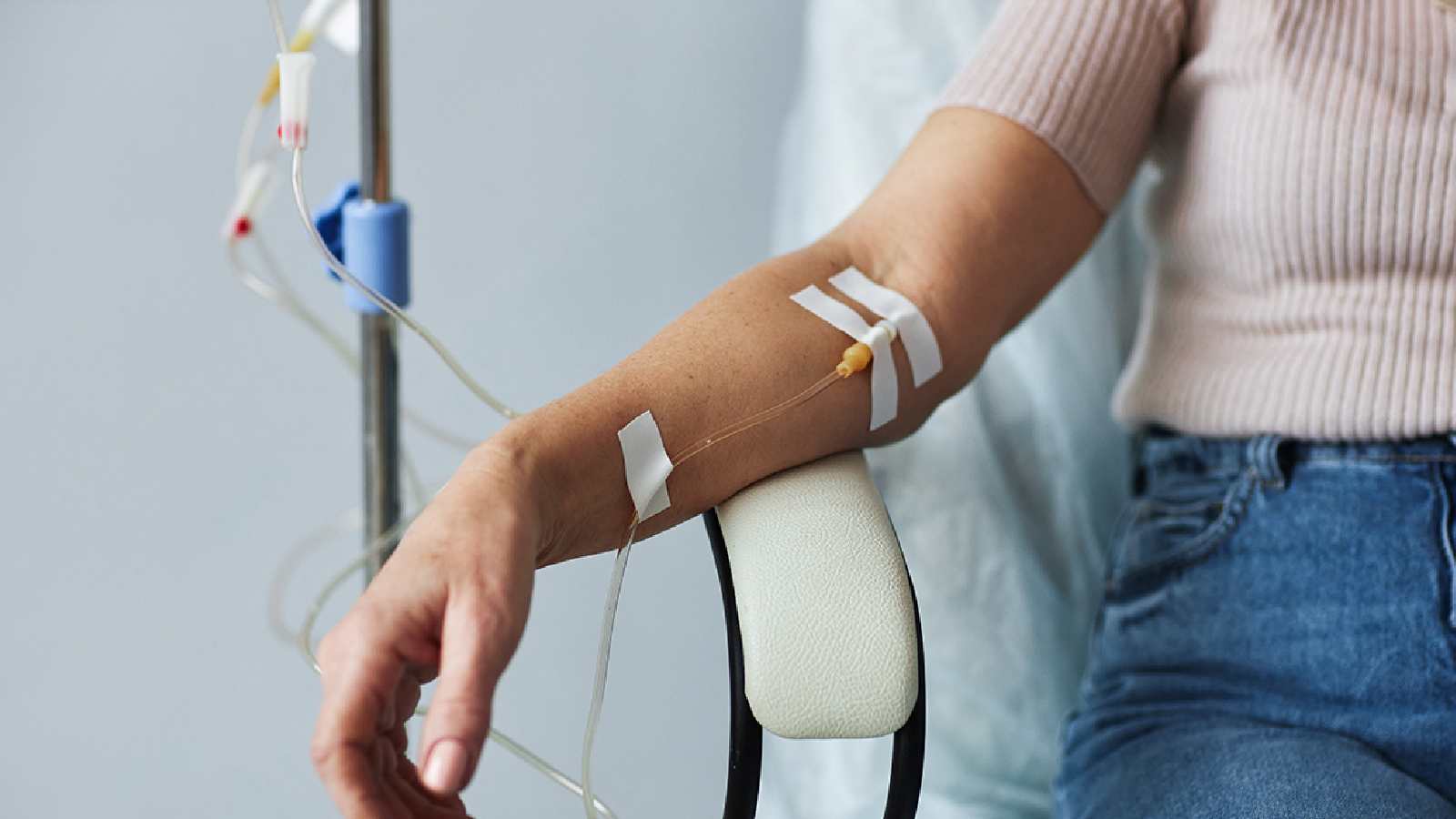
Proper hydration plays an important role in normal body function and overall well-being. While most people can maintain hydration by drinking fluids regularly, certain medical situations may require intravenous fluids under professional supervision. IV Drip at Home in Dubai provides a convenient option for individuals who have been assessed as suitable for IV hydration and prefer to receive treatment in their own surroundings.
When someone needs professional medical evaluation at home, Doctor at home in Dubai can provide convenient access to healthcare without requiring unnecessary travel. A qualified healthcare professional can assess symptoms and determine whether intravenous hydration or another form of care is appropriate.
Understanding Hydration and the Body
Water is essential for many processes within the body. It supports normal circulation, temperature regulation, digestion, and the functioning of cells and organs.
Daily fluid requirements are different for each person. Factors such as activity level, climate, diet, age, and health conditions can influence how much fluid a person needs.
For most healthy individuals, drinking water and consuming fluids through food are sufficient to maintain normal hydration.
What Is IV Hydration?
IV hydration involves delivering a prescribed fluid solution directly into a vein through an intravenous line. Because the fluid enters the bloodstream directly, the process differs from drinking water or other beverages.
Intravenous fluids can be useful in particular medical circumstances, but they are not automatically necessary whenever someone feels tired or dehydrated. A healthcare professional should evaluate the person's condition before treatment.
Why Choose Home-Based Hydration?
Receiving appropriate IV treatment at home can be convenient for individuals who have difficulty traveling or prefer a familiar environment.
Home-based treatment can reduce transportation requirements and eliminate time spent traveling to and waiting at a healthcare facility. This can be particularly useful for individuals who are recovering from an illness or have limited mobility.
The convenience of home care should always be accompanied by proper medical assessment and professional administration.
How IV Fluids Support Hydration
When IV fluids are clinically appropriate, they can provide fluid directly through the bloodstream. The type and volume of fluid should be determined according to the individual's medical circumstances.
The purpose of treatment is not simply to provide as much fluid as possible. Too much fluid can also create health problems for some individuals, which is why professional assessment is important.
A healthcare professional can determine whether intravenous hydration is necessary and establish an appropriate treatment plan.
Personalized Hydration Care
Hydration needs vary from person to person. Someone who has lost fluids due to a particular medical condition may have different requirements from another individual.
Before an IV session, a healthcare professional may review the person's symptoms, medical history, current medications, allergies, and relevant health conditions.
This information helps determine whether IV therapy is appropriate and what type of treatment may be suitable.
Professional IV Administration
An IV drip should be administered by an appropriately trained healthcare professional. Inserting an IV line requires proper technique, hygiene, and suitable clinical equipment.
During treatment, the healthcare professional can monitor the individual and respond to unexpected symptoms or complications.
Potential issues can include discomfort at the insertion site, irritation, infection, allergic reactions, or other treatment-specific complications. Proper procedures can help reduce avoidable risks.
The IV Drip Process at Home
A home IV session generally starts with an assessment of the individual's health and confirmation of the treatment plan. Once treatment is considered appropriate, the healthcare professional prepares the required equipment.
The IV line is inserted using appropriate infection-control procedures, and the prescribed solution is administered. The patient may be monitored throughout the session.
After the infusion is complete, the IV line is removed, and the healthcare professional may provide appropriate aftercare instructions.
Everyday Hydration Versus IV Therapy
It is important to understand that IV therapy is not a replacement for everyday hydration. Most healthy people who can drink normally can obtain sufficient fluids through water and other appropriate beverages.
IV hydration is a medical intervention that may be considered when there is a specific reason for intravenous fluids.
Using IV therapy without an appropriate medical reason may expose an individual to unnecessary risks. Professional assessment should therefore guide the decision.
Who May Need Additional Assessment?
Certain health conditions can affect whether IV fluids are appropriate. People with conditions affecting fluid balance, for example, may require additional medical consideration before receiving an infusion.
Individuals should provide accurate information about their health, medications, allergies, and previous reactions to treatments.
If a person experiences severe dehydration, confusion, fainting, difficulty breathing, chest pain, or another serious symptom, emergency medical care may be required rather than a routine home IV appointment.
Advantages of Receiving Hydration at Home
When clinically appropriate, home IV therapy can provide practical benefits. Individuals can avoid unnecessary travel and receive treatment in a familiar environment.
It can also make scheduling easier for people with demanding routines or mobility limitations. After treatment, patients can follow professional aftercare instructions in their own home.
These benefits make home-based treatment a convenient option for some individuals, but medical suitability remains the most important consideration.
Selecting a Reliable Home IV Provider
Choosing an appropriate provider involves looking at the qualifications of the healthcare professionals and the safety procedures followed during treatment.
Patients should understand how they are assessed before receiving an infusion and what monitoring is provided during the procedure. Clear communication about potential risks, treatment contents, and aftercare is also important.
A responsible provider should avoid presenting IV therapy as necessary for everyone and should base treatment decisions on individual healthcare needs.
Safe Hydration Support at Home
Hydration is an important part of health, but different situations require different approaches. Drinking sufficient fluids is generally the first approach for people who can hydrate normally, while IV fluids may be considered when medically appropriate.
For eligible individuals, IV Drip at Home in Dubai can provide professionally supervised hydration support without requiring travel to a healthcare facility. With appropriate assessment, qualified administration, suitable monitoring, and proper aftercare, home-based IV hydration can offer a convenient approach for individuals who genuinely require intravenous fluid therapy.