
An HPV Test is a screening test that helps detect certain high-risk types of human papillomavirus (HPV) in a cervical sample. These HPV types can sometimes cause changes in cervical cells over time. Understanding how testing works can help you make informed decisions about your health, recognise the importance of regular screening, and know what to expect during an appointment.
Sexual health is another important aspect of preventive healthcare. STD Test In Dubai services can help individuals understand available screening options and discuss possible infections with healthcare professionals. However, HPV testing is a specific investigation and is not automatically included in every general STD screening package.
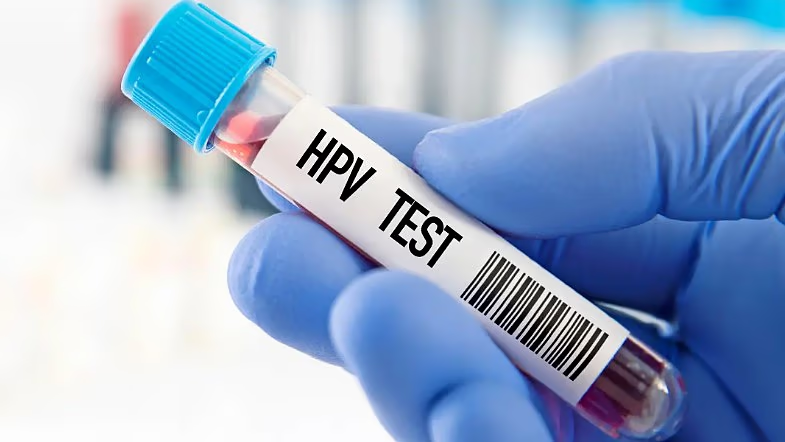
What Is an HPV Test?
An HPV test is designed to identify high-risk HPV types that may increase the risk of cervical cell changes. It is mainly used as part of cervical cancer screening for people who have a cervix.
HPV is a common virus that spreads primarily through intimate skin-to-skin contact. Many infections clear naturally without causing noticeable health problems. However, persistent infection with certain high-risk types may contribute to abnormal cervical cells.
The purpose of an HPV test is to identify these high-risk infections so that appropriate follow-up can be arranged when necessary.
Why Is HPV Testing Important?
HPV infections often have no visible symptoms. This means someone may have an infection without knowing it.
Cervical screening helps identify high-risk HPV before it causes more serious changes. Early detection allows healthcare professionals to monitor the situation and recommend additional examinations when appropriate.
Detecting High-Risk HPV
Some HPV types are more strongly associated with cervical cancer than others. An HPV screening test checks for specific high-risk types included in the laboratory's testing method.
Identifying these types helps healthcare professionals assess whether further screening is required.
Supporting Cervical Cancer Prevention
Persistent high-risk HPV infection can cause abnormal cervical cell changes over time. Screening helps identify these changes before they potentially progress.
An HPV infection does not mean someone has cancer. It simply indicates that appropriate monitoring may be necessary.
Who Should Get an HPV Test?
HPV testing is mainly recommended for cervical screening in people who have a cervix. The recommended screening age and frequency vary between countries and healthcare organisations.
Some screening programmes begin primary HPV testing around age 25 or 30, while others use different age limits or screening methods.
Your healthcare professional can recommend the appropriate schedule based on your age, previous results, medical history, and local guidelines.
People With Previous Abnormal Results
Individuals who have previously received abnormal cervical screening results may need additional testing or more frequent monitoring.
Following the recommended schedule is important because it helps healthcare professionals identify changes that require attention.
People Who Have Received the HPV Vaccine
HPV vaccination significantly reduces the risk of infection from several important HPV types. However, it does not protect against every high-risk type.
Vaccinated individuals should continue cervical screening according to the guidelines recommended for their age and circumstances.
How Is an HPV Test Performed?
The testing procedure generally involves collecting a small cervical sample. It is usually performed by a trained healthcare professional during a screening appointment.
A speculum may be gently inserted into the vagina to allow the cervix to be examined. A small brush or collection device is then used to collect cells and material from the cervical area.
The sample is placed in a suitable container and sent to a laboratory for testing.
Does the Test Hurt?
Most people experience mild pressure or temporary discomfort during sample collection. Some may notice light spotting afterward.
If you feel anxious or uncomfortable, tell your healthcare professional before the procedure. They can explain each step and help make the experience more manageable.
Are Self-Collection Options Available?
Some healthcare programmes offer approved self-collected HPV samples. Availability depends on the country, screening programme, and whether the particular test has been validated for self-collection.
Ask a healthcare professional whether this option is available and appropriate for you.
What Are the Different HPV Test Results?
Understanding the results is an important part of the screening process. Your report generally indicates whether the high-risk HPV types covered by the test were detected.
Negative HPV Result
A negative result means the tested high-risk HPV types were not detected in the sample.
This is generally reassuring, and routine screening can usually continue at the recommended interval.
Positive HPV Result
A positive result means a high-risk HPV type was detected. It does not mean that cervical cancer is present.
Depending on your medical history and other screening findings, your healthcare professional may recommend repeat testing, a Pap test, HPV genotyping, or colposcopy.
HPV Test vs Pap Test: What Is the Difference?
Although both tests are used in cervical screening, they examine different things.
An HPV test looks for specific high-risk HPV types in a cervical sample. A Pap test, also called cervical cytology, examines cervical cells for abnormal changes.
Some screening programmes use an HPV test as the primary screening method. Others may use Pap testing or combine both tests in selected circumstances.
Your healthcare professional can explain which approach is recommended under the applicable guidelines.
Can HPV Be Prevented?
There is no guaranteed way to prevent every HPV infection, but certain measures can reduce the risk.
HPV vaccination is an important preventive measure because it protects against several HPV types associated with cervical cancer and other HPV-related conditions.
Using barrier protection can reduce the risk of transmission, although it cannot eliminate it because HPV can affect skin areas not covered by condoms.
Regular cervical screening is also important because vaccination does not replace recommended testing.
Conclusion
An HPV Test is an important screening tool that helps identify high-risk HPV types associated with cervical cell changes. Understanding the testing procedure, knowing what your results mean, and following recommended screening intervals can help you take an informed approach to cervical health.
If you are unsure whether you need screening, speak with a qualified healthcare professional. They can review your age, medical history, and previous results to recommend an appropriate testing schedule.