
HPV Vaccine at Home offers eligible individuals a convenient way to receive protection against certain types of human papillomavirus (HPV) without travelling to a healthcare facility. HPV is a common virus associated with several health conditions, including cervical cancer, other HPV-related cancers, and genital warts. Understanding what happens before, during, and after vaccination can help patients feel more prepared and make informed decisions about preventive healthcare.
Doctor At Home In Dubai services may help eligible patients arrange professional healthcare appointments in a familiar environment. Where home vaccination is legally available, a qualified healthcare professional can assess medical history, explain the vaccination process, administer the vaccine, and provide guidance about aftercare and future doses.
What Happens Before an HPV Vaccine Appointment?
Before administering the vaccine, a healthcare professional should review the patient's vaccination history and relevant medical information. This assessment helps determine whether the patient is eligible and whether any precautions are necessary.
Patients should share information about known allergies, previous vaccine reactions, immune system conditions, current illnesses, and any other relevant medical concerns. Individuals who have experienced a severe allergic reaction to a previous HPV vaccine or one of its ingredients should inform the provider before vaccination.
Checking Vaccine Eligibility
HPV vaccination is routinely recommended for preteens and adolescents, while catch-up vaccination may be available for eligible older individuals. Recommendations depend on age, previous doses, immune status, and local guidelines.
The vaccine works best when administered before exposure to HPV. However, some adults who have not completed vaccination may still benefit. A qualified professional can explain the likely benefits and determine whether vaccination is appropriate for the individual.
How Is HPV Vaccine at Home Administered?
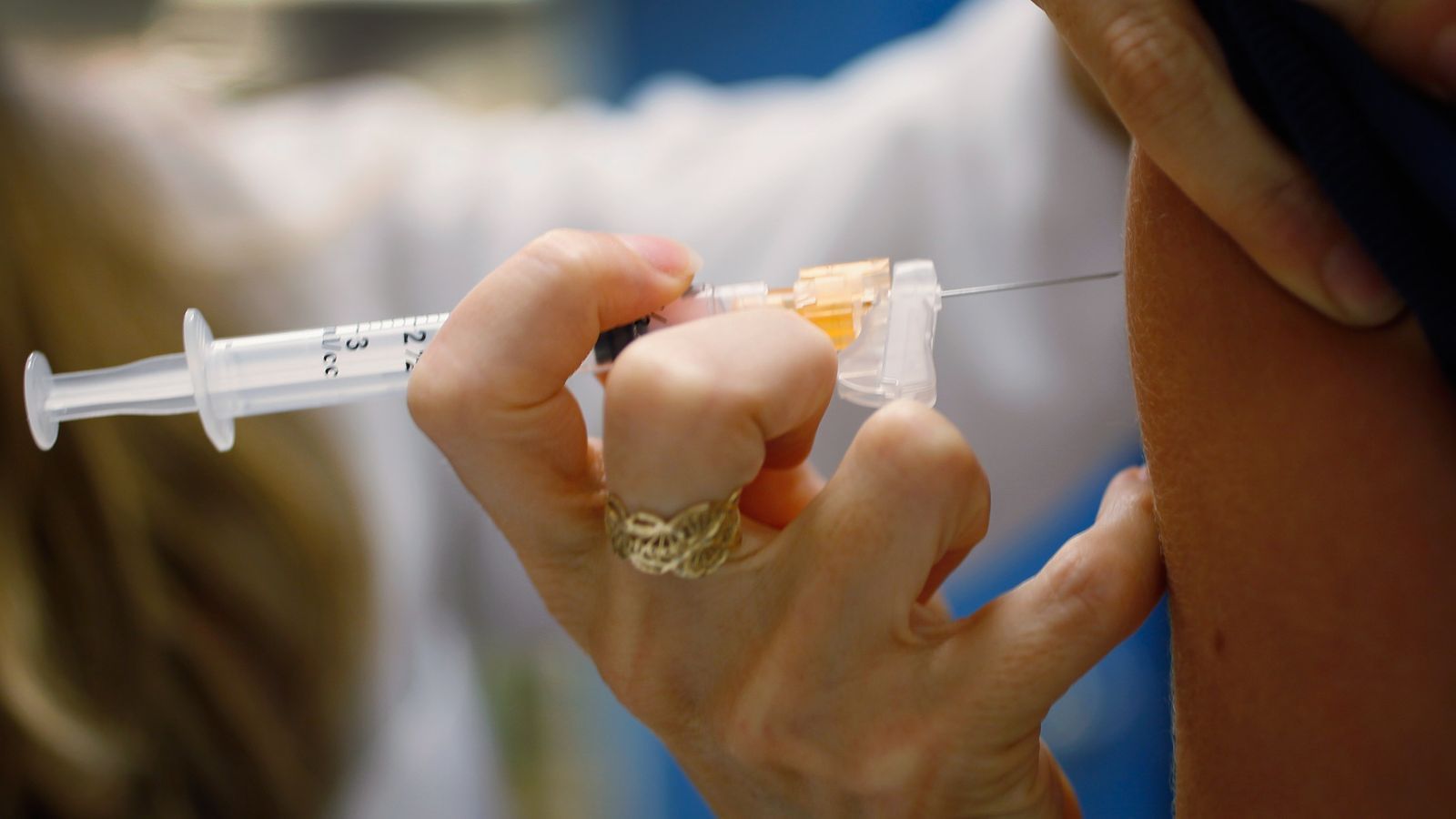
During an HPV Vaccine at Home appointment, the healthcare professional should verify the correct vaccine, check the required dose, and follow the manufacturer's administration instructions. HPV vaccines are generally given as an injection into the upper arm muscle.
The provider should explain the procedure and allow the patient to ask questions before vaccination. For younger patients, a parent or guardian may need to provide consent according to applicable requirements.
The vaccine must be stored and transported under the appropriate temperature conditions to preserve its quality. Choosing an authorised provider who follows proper vaccine-handling procedures is therefore essential.
What Does the HPV Vaccination Feel Like?
Most patients experience only brief discomfort during the injection. Some may feel a short pinch or pressure in the upper arm, followed by temporary soreness.
Patients who feel anxious about injections can tell the healthcare professional before the appointment. Sitting or lying down during vaccination can help reduce the risk of injury if dizziness or fainting occurs. The provider should also explain what to expect immediately afterward.
Common Side Effects After HPV Vaccination
HPV vaccines are considered safe and effective for eligible individuals. Most side effects are mild and usually resolve on their own.
The most common reactions include pain, redness, or swelling at the injection site. Some patients may experience a headache, fatigue, mild fever, or dizziness. These symptoms generally improve within a short period.
Patients can follow the healthcare professional's advice for managing discomfort. If symptoms are severe, persist, or cause concern, they should contact a healthcare provider.
When Should You Seek Medical Attention?
Severe allergic reactions are rare, but symptoms such as difficulty breathing, swelling of the face or throat, or widespread hives require emergency medical attention. Patients should not wait for symptoms to resolve on their own if a severe reaction is suspected.
The provider should explain the relevant warning signs and ensure appropriate observation after vaccination. Patients should follow the recommended observation period, particularly because fainting may occur shortly after an injection.
What Should You Do After HPV Vaccine at Home?
After vaccination, patients should follow the provider's aftercare instructions and keep their vaccination record in a safe place. Temporary soreness in the arm is common, and normal daily activities can usually continue as the patient feels comfortable.
It is helpful to record the date of vaccination, vaccine details, and any recommended follow-up appointment. This information supports accurate record-keeping and helps prevent missed doses.
If a patient develops unexpected symptoms or has concerns about a reaction, they should seek advice from a qualified healthcare professional rather than relying on assumptions about whether the symptoms are vaccine-related.
Understanding the HPV Vaccine Schedule
The required number of doses depends on the age at which vaccination begins, immune status, and applicable guidelines.
In many vaccination programmes, people who start before age 15 receive two doses, while those who start at age 15 or older and certain immunocompromised individuals generally require three doses. The recommended interval between doses should be confirmed with the healthcare professional.
If a dose is delayed, the series generally does not need to be restarted. The provider can review the vaccination record and advise how to complete the schedule correctly.
Can You Receive the HPV Vaccine During Pregnancy?
HPV vaccination is generally postponed during pregnancy. If a person discovers they are pregnant after receiving a dose, they should discuss the situation with their healthcare professional. Accidentally receiving the vaccine during pregnancy is not, by itself, a reason to panic.
Breastfeeding alone is generally not a reason to delay HPV vaccination. However, patients should share relevant information with their provider so the decision can be made according to current medical guidance and individual circumstances.
Does HPV Vaccination Replace Cervical Cancer Screening?
No. HPV vaccination protects against certain HPV types, but it does not prevent every HPV infection or every case of cervical cancer.
People with a cervix should continue recommended cervical cancer screening according to local guidelines and individual medical advice. Screening can identify changes that may need monitoring or treatment, even in people who have been vaccinated.
Choosing a Qualified Home Vaccination Provider
When arranging HPV Vaccine at Home, choose a provider authorised to administer vaccines and able to demonstrate proper storage, handling, and administration practices. The provider should review medical history, explain potential side effects, document the dose, and provide clear follow-up instructions.
Home vaccination availability varies by location and local regulations. Patients should confirm that the service uses an approved vaccine and has appropriate arrangements for responding to adverse reactions.
Conclusion
Knowing what to expect from HPV Vaccine at Home can make the vaccination process more comfortable and straightforward. From checking eligibility to receiving the injection and following aftercare instructions, each step helps support safe and effective preventive healthcare.
HPV vaccination can reduce the risk of certain HPV-related diseases, including cervical cancer, but it does not treat an existing infection or replace recommended screening. Consult a qualified healthcare professional to confirm eligibility, understand the correct vaccination schedule, and plan your next steps.