
Preventive healthcare helps protect individuals from infections that may lead to serious health problems in the future. The HPV Vaccine at Home offers eligible individuals a convenient way to receive vaccination in familiar surroundings with the assistance of a qualified healthcare professional. Understanding the vaccine, its benefits, recommended age groups, and safety precautions can help families make informed decisions about their healthcare.
For individuals who need additional medical assistance, Doctor At Home In Dubai is another option for arranging suitable medical consultations at home. This is a separate healthcare service that allows patients to discuss medical concerns with a qualified professional.
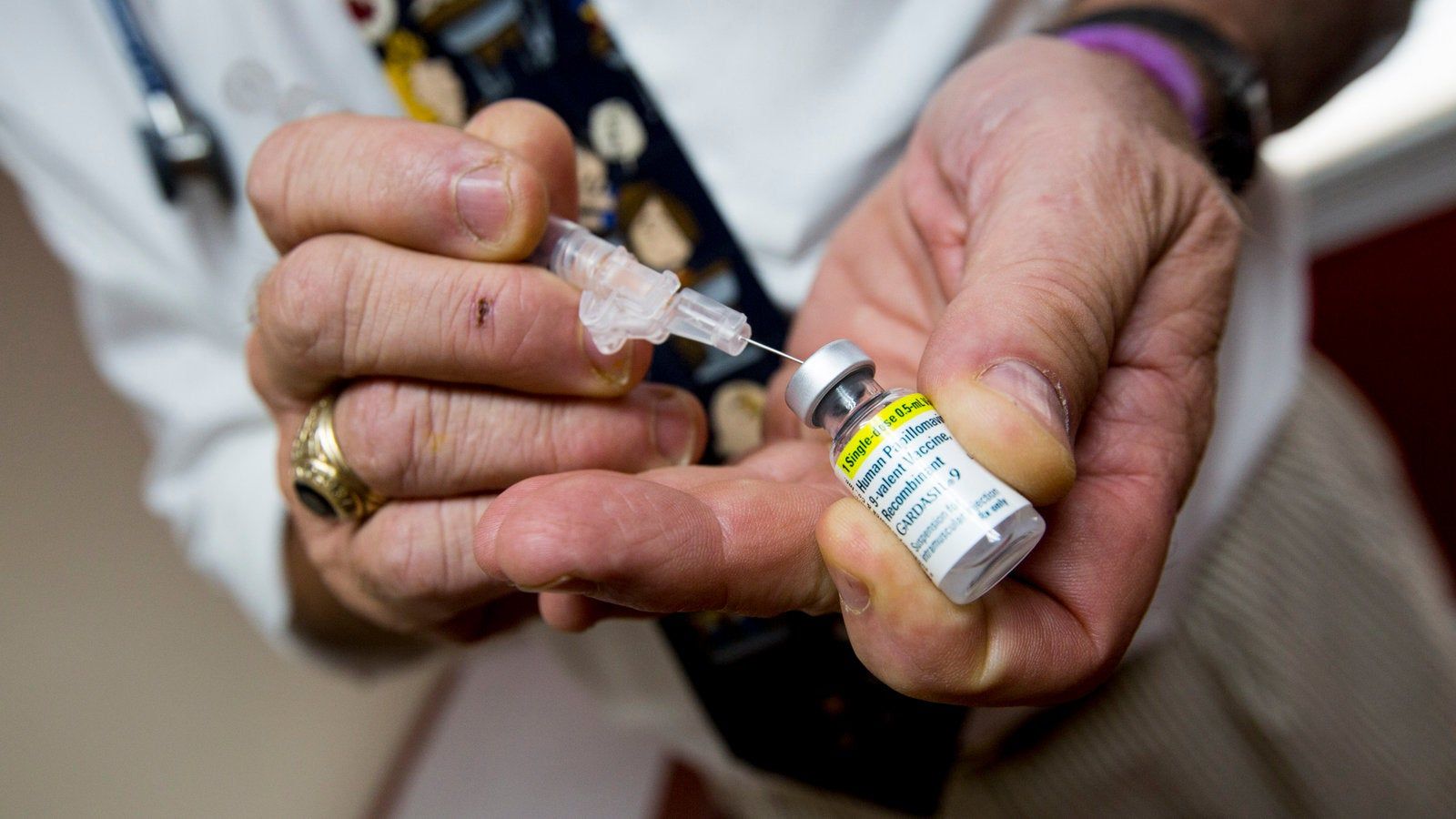
What Is HPV?
Human papillomavirus, commonly known as HPV, is a group of viruses that can affect the skin and certain moist surfaces of the body. There are many different types of HPV, and most infections do not cause noticeable symptoms.
Some HPV types can cause genital warts, while certain high-risk types may lead to different cancers when an infection persists. These include cervical, anal, penile, vaginal, vulvar, and some cancers of the throat.
HPV can spread through intimate skin-to-skin contact. Because an infection may not produce symptoms, people can carry and transmit the virus without knowing it.
Preventive vaccination helps reduce the risk of infection from several HPV types associated with these health conditions.
What Is the HPV Vaccine?
The HPV vaccine helps the immune system recognize and fight specific HPV types. It contains virus-like particles that stimulate an immune response but cannot cause HPV infection.
The vaccine is designed to prevent future infections rather than treat existing ones. It does not cure genital warts, remove an existing HPV infection, or treat HPV-related cancer.
Vaccination is most effective when completed before potential exposure to HPV. This is why routine vaccination is recommended during early adolescence.
Why Consider HPV Vaccine at Home?
Convenience for Busy Individuals
Managing work, education, family responsibilities, and healthcare appointments can be challenging. A HPV Vaccine at Home appointment may reduce the need to travel to a clinic and help individuals arrange vaccination around their daily routines.
Families can contact a suitable provider to confirm availability, discuss eligibility, and arrange an appointment.
Comfortable Surroundings
Some teenagers and adults feel uncomfortable receiving injections in unfamiliar environments. A home appointment may provide a more familiar setting and allow parents or family members to offer reassurance.
A comfortable environment can make the experience easier, but professional supervision and medical safety procedures are still essential.
Personalized Healthcare Attention
Before administering the vaccine, the healthcare professional should review relevant medical information. This may include previous vaccination records, allergies, medical conditions, and any history of severe reactions to vaccines.
This assessment helps determine whether vaccination is appropriate and which dose schedule is required.
Easier Appointment Management
Home vaccination may make it easier for families to coordinate appointments for eligible individuals. It can also help reduce travel arrangements when someone has a demanding daily schedule.
However, the availability of appointments and the number of individuals who can be vaccinated during one visit depend on the healthcare provider.
Who Should Receive the HPV Vaccine?
HPV vaccination is recommended for specific age groups according to established immunization guidelines.
Children and Teenagers
Routine vaccination is generally recommended around ages 11–12, although the vaccine can be given from age 9.
Vaccination during these years helps provide protection before potential exposure to HPV. Parents should discuss the appropriate timing with a qualified healthcare professional.
Young Adults
People who missed routine vaccination may still benefit from catch-up vaccination. It is generally recommended through age 26 for individuals who have not completed the recommended series.
Adults aged 27–45 may discuss possible benefits with their healthcare professional. Vaccination is not routinely recommended for everyone in this age group.
People with Weakened Immune Systems
Individuals with certain immune system conditions may require a three-dose schedule, even if vaccination begins before age 15.
A healthcare professional should review their medical history and determine the appropriate vaccination plan.
Understanding the HPV Vaccine Dose Schedule
The number of doses depends mainly on the age when the first dose is administered and certain medical circumstances.
Two-Dose Schedule
Individuals who begin vaccination before their 15th birthday generally require two doses. These are usually administered 6–12 months apart.
Three-Dose Schedule
Individuals who begin vaccination at age 15 or older generally require three doses. People with weakened immune systems also generally need three doses.
The exact schedule should follow local immunization guidelines and the recommendations for the vaccine product being used.
Keeping vaccination records helps individuals track completed doses and schedule remaining appointments.
Is HPV Vaccine at Home Safe?
The HPV vaccine has been extensively studied and is used in preventive healthcare programs worldwide. Most side effects are mild and temporary.
Common Side Effects
Possible side effects include pain, redness, or swelling at the injection site. Some individuals may also experience headache, tiredness, mild fever, nausea, or dizziness.
These reactions generally improve without special treatment.
Important Medical Precautions
Before receiving the HPV Vaccine at Home, individuals should inform the healthcare professional about allergies, previous vaccine reactions, and relevant medical conditions.
Anyone who has experienced a severe allergic reaction to a previous HPV vaccine dose or one of its components should not receive another dose without appropriate medical assessment.
HPV vaccination is generally postponed during pregnancy. Anyone who is pregnant should discuss the appropriate vaccination timing with a healthcare professional.
Observation After Vaccination
Some individuals may feel dizzy or faint after an injection. Remaining seated or lying down for approximately 15 minutes after vaccination can help reduce the risk of injury from fainting.
The healthcare professional should also be prepared to manage a serious allergic reaction if it occurs.
How to Prepare for HPV Vaccine at Home
Confirm Eligibility
Before arranging an appointment, check the individual's age, vaccination history, and any medical considerations with the provider.
Keep Previous Records Ready
Previous vaccination records help the healthcare professional determine which doses have already been administered and which are still required.
Share Allergy Information
Inform the provider about known allergies, previous vaccine reactions, and other relevant health concerns. Accurate information supports a safer vaccination assessment.
Choose a Qualified Provider
Confirm that the service uses appropriately qualified healthcare professionals and follows recommended vaccine storage, transportation, and administration procedures.
Understand Aftercare Instructions
Follow the professional's advice after vaccination. Seek immediate medical assistance if serious symptoms such as difficulty breathing or swelling of the face or throat develop.
Can HPV Vaccination Prevent Cervical Cancer?
HPV vaccination can prevent infection from several HPV types responsible for many cases of cervical cancer. It is therefore an important part of cervical cancer prevention.
However, the vaccine does not protect against every cancer-causing HPV type. People with a cervix should continue recommended cervical screening according to their age and local healthcare guidelines, even after vaccination.
Combining vaccination with appropriate screening provides better preventive protection.
How to Choose a Reliable HPV Vaccine at Home Service
Selecting the right provider is an important part of safe vaccination. Check the professional's qualifications, vaccine availability, storage procedures, and appointment arrangements.
Ask which vaccine brand is offered, whether it is approved for use locally, and how vaccination records will be provided. The provider should also explain eligibility, possible side effects, and the recommended dose schedule.
Avoid choosing a service that cannot clearly explain its medical procedures or vaccine-handling standards.
Conclusion
The HPV Vaccine at Home offers a convenient option for eligible individuals who want to arrange preventive vaccination in familiar surroundings. It may help reduce travel, simplify appointment planning, and make healthcare more accessible for busy families.
Before booking, confirm eligibility, discuss medical precautions, and choose a qualified healthcare provider. Completing the recommended vaccination schedule and continuing appropriate cervical screening can help protect long-term health.