
Modern healthcare services are making medical treatment more accessible for individuals who prefer receiving professional attention in their homes. IV Drip at Home is one such service that allows medically suitable patients to receive prescribed intravenous fluids or medications without travelling to a hospital or clinic. It can be particularly helpful for individuals who have difficulty travelling or require specific medical support during recovery.
Getting the right medical advice before starting treatment is equally important. Doctor At Home In Dubai services provide an opportunity for patients to discuss their symptoms, receive medical assessments, and understand which treatment options are appropriate for their conditions. Professional guidance helps ensure that intravenous therapy is recommended only when medically necessary.
What Is IV Drip at Home?
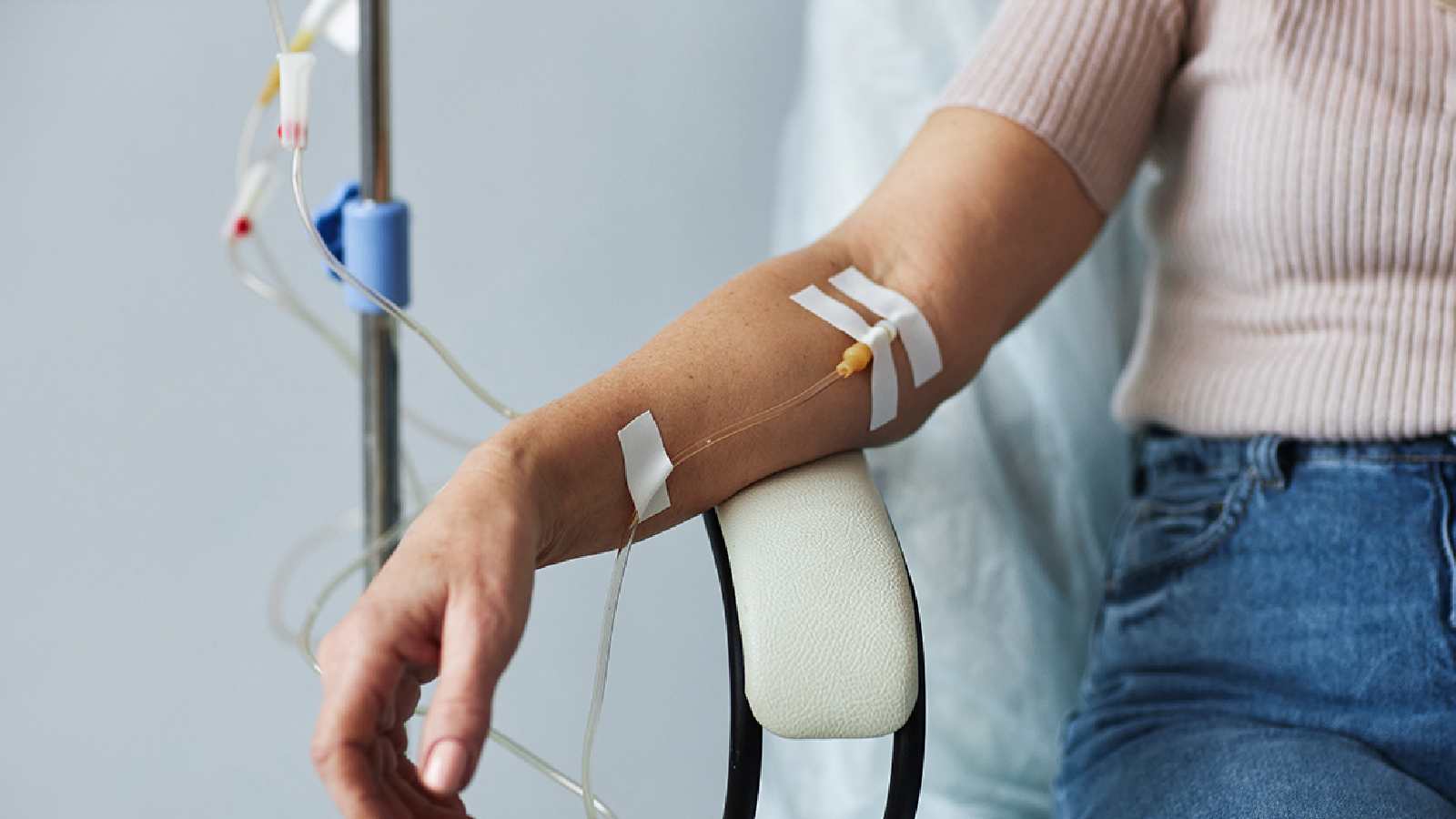
IV Drip at Home is a medical procedure in which prescribed fluids or medications are delivered directly into the bloodstream through a small intravenous catheter.
The catheter is inserted into a suitable vein, usually in the arm or hand, by a qualified healthcare professional. The prescribed solution then flows through the IV tubing according to the recommended administration rate.
Intravenous therapy may be required when patients cannot maintain adequate hydration through oral fluids or need specific medications that must be given intravenously.
The procedure requires medical assessment, appropriate equipment, infection-control practices, and professional monitoring.
How Does IV Drip at Home Treatment Work?
Understanding the treatment process can help patients feel more confident before arranging a home healthcare appointment.
Medical Consultation and Assessment
The process begins with an evaluation of the patient's health condition. The healthcare professional reviews symptoms, medical history, allergies, and current medications.
Vital signs such as blood pressure, pulse, and temperature may also be checked. Depending on the patient's condition, further medical investigations may be necessary.
This assessment helps determine whether intravenous treatment is appropriate and whether the patient can safely receive it at home.
Preparation of Medical Equipment
Once treatment is approved, the healthcare professional prepares the required equipment.
This may include sterile IV tubing, a catheter, prescribed fluids, gloves, antiseptic supplies, and appropriate medical waste disposal materials.
Maintaining hygiene throughout the procedure is essential for reducing the risk of infection.
Administration of IV Fluids
The healthcare professional cleans the selected insertion site and places the catheter into a suitable vein.
The prescribed solution is connected to the IV line and administered at the recommended rate.
The patient is monitored during treatment to identify discomfort, swelling, allergic reactions, or other complications.
Monitoring and Aftercare
After the prescribed treatment is completed, the catheter is removed when appropriate.
The healthcare professional checks the insertion site and explains any necessary aftercare instructions.
Patients should report unusual pain, redness, swelling, or fever following treatment.
What Are the Main Benefits of IV Drip at Home?
Convenience and Accessibility
One of the most recognized benefits of IV Drip at Home is the convenience of receiving medically appropriate treatment without travelling to a healthcare facility.
This option can be helpful for elderly individuals, patients with mobility limitations, and people recovering from certain illnesses.
Comfortable Treatment Environment
Receiving professional care at home allows patients to remain in a familiar setting.
Some individuals find home-based treatment less stressful than visiting a busy hospital or clinic, particularly when travelling is physically difficult.
Individualized Medical Attention
Patients have different medical requirements, and their treatment should reflect their individual health conditions.
Healthcare professionals consider hydration levels, existing illnesses, medications, and possible complications before recommending intravenous therapy.
Professional Nursing Care
Qualified nurses can administer prescribed intravenous treatments, monitor patients, and provide relevant aftercare guidance.
Their experience helps maintain appropriate standards throughout the procedure.
When Might Someone Need IV Drip at Home?
Intravenous therapy may be considered for several medical situations.
Dehydration
Dehydration occurs when the body loses more fluids than it receives. Common causes include excessive sweating, fever, diarrhoea, vomiting, and insufficient fluid intake.
Mild dehydration can often be treated with oral fluids or oral rehydration solutions. More significant dehydration may require medical evaluation and intravenous fluid replacement.
Persistent Vomiting
Repeated vomiting can make it difficult to maintain adequate fluid intake. It may also cause electrolyte imbalances.
Patients who cannot keep fluids down should receive medical assessment to determine the most appropriate treatment.
Medical Recovery
Some patients require intravenous fluids or prescribed medications as part of their recovery plan.
When their condition allows treatment outside a medical facility, professional home healthcare may provide an appropriate alternative.
Prescribed Medication Administration
Certain medications must be administered intravenously because of their specific medical requirements.
A qualified healthcare professional can provide this treatment at home when it has been appropriately prescribed and the patient is suitable for home administration.
Is IV Drip at Home Safe?
IV Drip at Home can be suitable when performed under appropriate medical supervision. However, intravenous procedures carry potential risks that patients should understand.
Possible complications include infection, bleeding, bruising, vein irritation, allergic reactions, and fluid overload.
Patients with kidney disease, heart failure, electrolyte imbalances, or existing fluid restrictions may require additional precautions.
A medical professional should assess the patient's condition before treatment and select an appropriate fluid and administration rate.
Patients should never attempt to administer IV fluids themselves or receive treatment from unqualified individuals.
What Types of IV Fluids Are Used?
The type of intravenous solution depends on the patient's medical needs and the treating clinician's instructions.
Normal Saline
Normal saline is a solution containing sodium chloride in water. It may be prescribed for certain fluid replacement requirements and other medical purposes.
Lactated Ringer's Solution
This solution contains several electrolytes and may be used in specific clinical situations involving fluid replacement.
Dextrose Solutions
Certain dextrose-containing solutions may be prescribed for particular medical requirements. Their use depends on the patient's blood glucose levels, hydration status, and overall condition.
Not every solution is appropriate for every patient. Fluid selection and administration must always be based on medical evaluation.
How Long Does IV Drip at Home Take?
The duration of treatment varies according to the prescribed fluid, total volume, administration rate, and the patient's medical condition.
Some appointments may take less than an hour, while others require a longer period of administration and observation.
The healthcare professional determines the appropriate duration based on the treatment plan.
Patients should not request faster administration without medical approval because the prescribed rate is important for preventing complications.
How to Prepare for an IV Drip at Home Appointment
Preparing before the appointment can make the procedure more comfortable and organized.
Keep your medical records and medication information available. Inform the healthcare professional about allergies, existing health conditions, and previous reactions to intravenous treatments.
Wear comfortable clothing that provides easy access to the arm if necessary. Choose a clean area where the healthcare professional can safely prepare medical equipment.
Follow any specific instructions provided by your healthcare provider before the appointment.
How to Choose a Reliable Home IV Therapy Provider
Choosing a qualified healthcare service is essential for patient safety.
Check the professional qualifications of the nurses and medical practitioners. Confirm that the provider follows infection-control procedures and uses sterile, appropriate equipment.
Ask whether medical assessments are included before treatment and whether patients are monitored throughout the procedure.
A trustworthy provider should also explain possible side effects, treatment costs, and follow-up requirements without making unrealistic promises.
Conclusion
IV Drip at Home offers a convenient way for medically suitable patients to receive prescribed intravenous fluids and medications without unnecessary travel. From professional nursing assistance to personalized attention, home-based IV treatment can make certain healthcare services more accessible.
However, intravenous therapy should only be provided when medically appropriate. A proper assessment, qualified healthcare professionals, sterile equipment, and careful monitoring are essential for reducing potential risks.
Understanding the procedure and selecting a reliable healthcare provider can help patients make informed decisions about their treatment and receive appropriate medical support at home.