
Proper hydration is essential for maintaining energy, supporting circulation, regulating body temperature, and keeping the body functioning normally. However, illness, vomiting, diarrhoea, fever, and excessive fluid loss can sometimes make it difficult to maintain adequate hydration. In certain situations, IV Drip at Home services provide a convenient way for eligible patients to receive medically prescribed intravenous fluids without travelling to a healthcare facility.
Patients looking for convenient healthcare assistance can also consider Doctor At Home In Dubai services to access professional medical evaluations and personalized treatment recommendations. A qualified doctor can assess symptoms, identify possible causes of dehydration, and determine whether intravenous hydration is appropriate.
Understanding how IV hydration works, its potential benefits, and the situations in which it may be necessary can help patients make informed healthcare decisions.
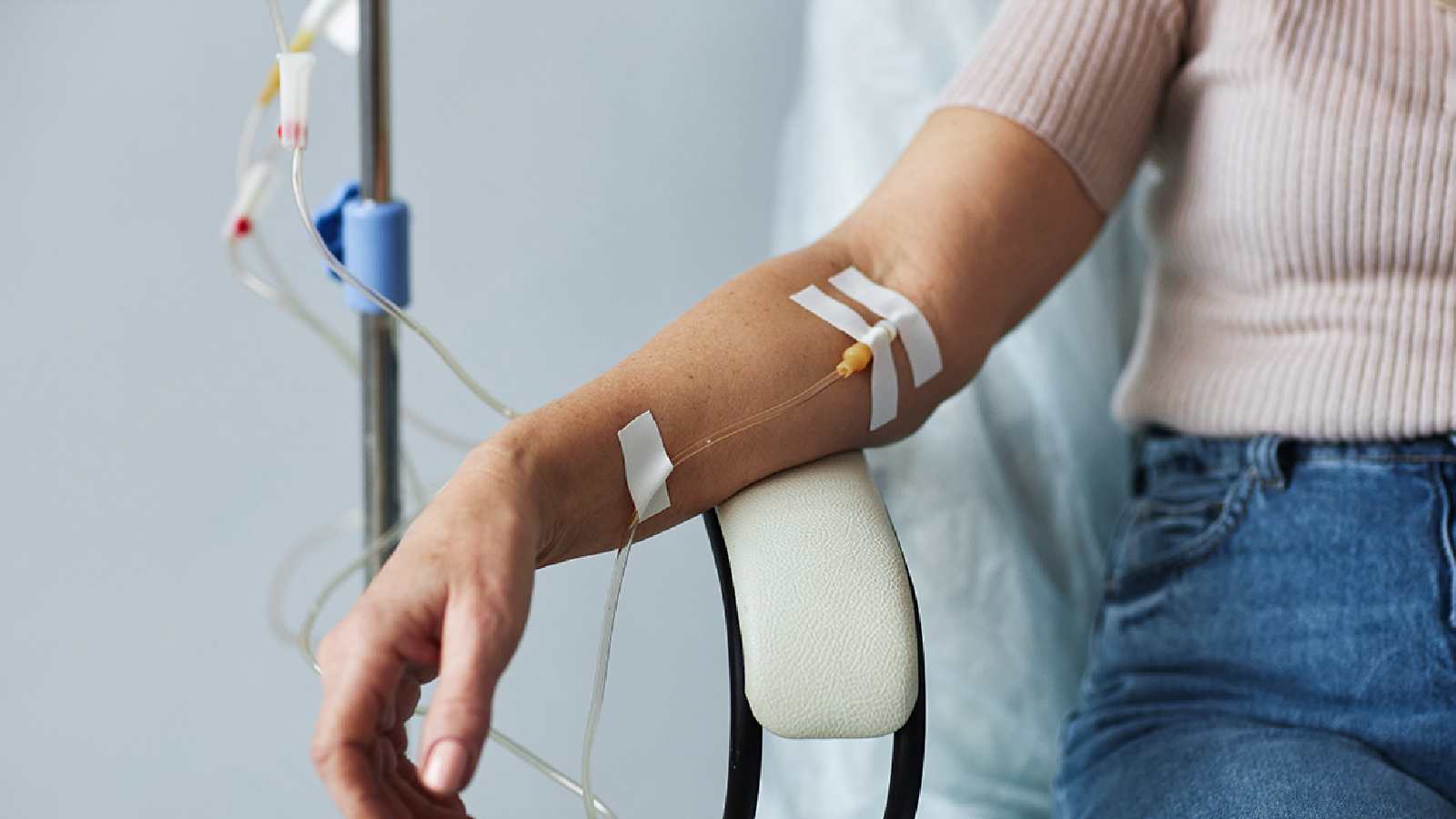
What Is IV Drip at Home?
An intravenous (IV) drip is a medical procedure that delivers sterile fluids, electrolytes, or prescribed medications directly into the bloodstream through a small catheter inserted into a vein.
An IV Drip at Home service brings this treatment to the patient's residence when a healthcare professional determines that home administration is medically suitable.
The procedure is performed by a qualified healthcare professional using sterile medical equipment and following an appropriate treatment plan.
IV hydration is commonly considered when a patient cannot maintain adequate fluid levels through oral intake or requires medically supervised fluid replacement.
How Does IV Hydration Work?
During IV hydration, a healthcare professional inserts a small flexible catheter into an appropriate vein, usually in the arm or hand.
The catheter is connected to an IV administration system containing the prescribed fluid solution. The fluid enters the bloodstream at a controlled rate determined by the healthcare professional.
The patient is monitored throughout the procedure to identify any discomfort or possible complications.
The type and quantity of fluid depend on the patient's medical condition, hydration status, and individual requirements.
How IV Drip at Home Supports Hydration and Recovery
Hydration plays an important role in several essential bodily processes. When fluid levels become insufficient, the body may experience symptoms that affect daily activities and overall well-being.
Medically supervised IV fluids may help restore fluid balance when intravenous treatment is necessary.
1. Supports Fluid Replacement
The primary purpose of IV hydration is to replace fluids when the body has lost more water than it can adequately replace through drinking.
This may occur because of vomiting, diarrhoea, fever, or other medical conditions.
A healthcare professional evaluates the patient's condition and determines whether intravenous fluid replacement is required.
2. Helps Manage Certain Dehydration Conditions
Dehydration can range from mild to severe. Mild cases are often managed with oral fluids, while more significant dehydration may require medical treatment.
An appropriately prescribed IV solution can help replace fluids in patients who need intravenous hydration.
However, the treatment must be tailored to the patient's medical requirements.
3. Supports Electrolyte Balance
Electrolytes such as sodium and potassium are important for muscle function, nerve communication, and fluid regulation.
Certain illnesses can cause electrolyte imbalances through excessive fluid loss.
A doctor may recommend blood tests and specific treatment when an imbalance is suspected. Electrolyte replacement must be carefully managed because incorrect levels can cause serious health complications.
4. Provides Convenient Access to Medical Care
One of the practical advantages of IV Drip at Home is that suitable patients can receive treatment without travelling to a hospital or clinic.
This can be helpful for individuals with limited mobility or patients whose medical condition makes travelling difficult.
The home environment must still be appropriate for safe treatment, and the patient must meet the provider's clinical criteria.
5. Offers Professional Medical Monitoring
Home IV treatment should involve qualified healthcare professionals who monitor the patient during the procedure.
Professional monitoring helps identify potential problems such as swelling around the insertion site, discomfort, allergic reactions, or signs of fluid overload.
This supervision is an important part of safe intravenous treatment.
Common Reasons Patients May Need IV Hydration
Not everyone experiencing tiredness or weakness requires intravenous fluids. A medical assessment is necessary to identify the underlying cause and select the appropriate treatment.
Dehydration From Vomiting
Repeated vomiting can lead to fluid loss and make it difficult to maintain hydration through drinking.
If the patient cannot keep oral fluids down, a healthcare professional may evaluate whether IV fluids are necessary.
Diarrhoea and Fluid Loss
Diarrhoea can cause the body to lose significant amounts of water and electrolytes.
Oral rehydration solutions are often appropriate for mild to moderate cases when the patient can drink. More serious cases may require medical assessment and intravenous treatment.
Fever and Excessive Sweating
Fever can increase the body's fluid requirements, particularly when accompanied by sweating and reduced fluid intake.
Maintaining adequate hydration is important during illness. Patients with persistent or severe symptoms should seek medical advice.
Difficulty Drinking Enough Fluids
Some medical conditions can make it difficult for patients to consume sufficient fluids.
When oral hydration is inadequate or unsuitable, a healthcare professional may consider intravenous fluid replacement.
What Types of IV Fluids Are Used?
Different IV solutions are designed for different medical purposes. The appropriate fluid depends on the patient's condition and clinical assessment.
Normal Saline
Normal saline is a sterile solution containing sodium chloride and water. It may be prescribed for certain fluid replacement requirements.
Balanced Electrolyte Solutions
Certain intravenous solutions contain a combination of electrolytes designed for specific fluid replacement needs.
The healthcare professional selects the appropriate solution according to the patient's condition.
Prescribed Medication Infusions
Some medications are administered intravenously when this method is medically indicated.
These medications require an appropriate prescription, correct dosage, and professional monitoring.
Patients should never choose an IV solution based on advertising claims or general wellness promises.
What to Expect During an IV Drip at Home Appointment
Understanding the treatment process can help patients feel more comfortable before arranging a home IV appointment.
Initial Medical Evaluation
The healthcare professional reviews symptoms, medical history, medications, and allergies. Vital signs may also be checked.
This assessment helps determine whether the patient is suitable for home treatment.
Preparation and Equipment Setup
If treatment is approved, the healthcare professional prepares the prescribed IV solution and sterile medical supplies.
The treatment area is prepared according to appropriate hygiene and infection-control standards.
IV Cannula Placement
A small catheter is inserted into a suitable vein using appropriate medical techniques.
The insertion site is cleaned and secured to reduce the risk of infection and unnecessary movement.
Fluid Administration
The prescribed IV solution is administered at the recommended rate.
The healthcare professional monitors the patient throughout the procedure and checks for any unusual reactions.
Completion and Aftercare
Once treatment is complete, the catheter is removed, and the insertion site is examined.
The patient receives instructions about aftercare, hydration, and symptoms that may require additional medical attention.
Is IV Drip at Home Safe?
Professional home IV treatment can be appropriate for selected patients when performed by qualified healthcare professionals under proper medical supervision.
However, IV therapy is not without risks.
Possible complications include:
Infection at the insertion site.
Bruising or bleeding.
Vein inflammation.
Allergic reactions.
Fluid overload.
Medication-related side effects.
Patients with heart disease, kidney problems, or existing fluid-balance disorders may require additional precautions.
Important Safety Guidelines
Before booking an IV Drip at Home appointment, confirm that the healthcare provider is appropriately licensed and authorized.
The provider should conduct a medical assessment, use sterile single-use equipment, follow the prescribed treatment plan, and monitor the patient during administration.
Patients should also receive clear instructions about possible complications and when to seek emergency assistance.
Who Should Avoid Unsupervised IV Hydration?
IV hydration should never be arranged without professional medical advice.
People with kidney disease, heart failure, certain electrolyte disorders, or a history of fluid overload may face additional risks.
Patients with unexplained weakness, persistent vomiting, or severe dehydration also need proper medical evaluation.
If someone experiences confusion, fainting, chest pain, severe breathing difficulties, or other serious symptoms, emergency medical care is necessary rather than a routine home IV appointment.
How to Choose a Reliable Home IV Therapy Provider
Selecting a professional healthcare provider is essential for safe treatment.
Look for a service that offers qualified medical personnel, proper medical assessments, sterile equipment, and clear treatment instructions.
The provider should explain the purpose of the IV solution, potential risks, and expected monitoring requirements.
Avoid services that promise instant energy, guaranteed recovery, or cures for multiple unrelated conditions.
A responsible healthcare provider focuses on clinical needs rather than unnecessary treatments.
Final Thoughts
IV Drip at Home can provide a convenient option for patients who medically require intravenous fluid replacement or prescribed medication administration. It may help address certain dehydration conditions while reducing travel requirements for eligible patients.
However, fast hydration should never be confused with guaranteed recovery. The right treatment depends on the underlying cause of fluid loss, the patient's medical history, and professional evaluation.
By choosing a qualified healthcare provider, following medical recommendations, and prioritizing patient safety, individuals can make informed decisions about home IV therapy and their overall healthcare needs.