
Taking care of your sexual health is an essential part of maintaining overall wellness. Getting an STD Test In Dubai can help identify sexually transmitted infections and provide important information about your health. For beginners, understanding the testing process, available screening methods, and common infections can make the experience less confusing. Many sexually transmitted infections do not produce noticeable symptoms, which is why professional screening is important even when you feel healthy. Learning the basics can help you make informed decisions and seek medical attention at the right time.
What Is an STD Test?
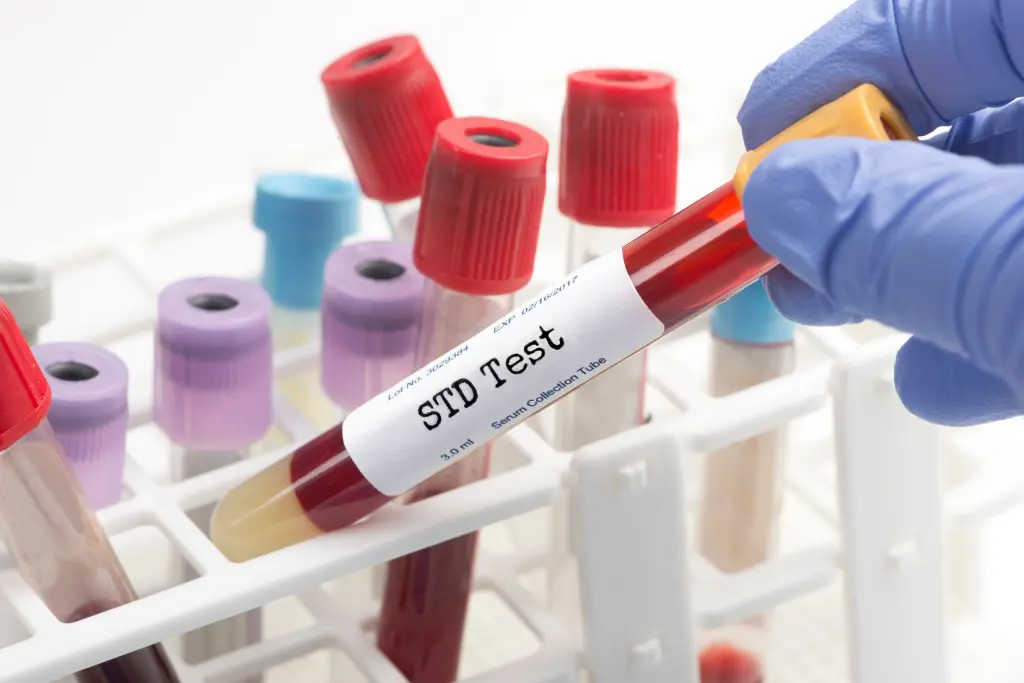
An STD Test is a medical examination or laboratory procedure used to detect sexually transmitted diseases and infections. These infections can spread through vaginal, anal, or oral sexual contact and, in some cases, through intimate skin-to-skin contact or exposure to infected blood.
Different infections require different testing methods. Depending on your medical history and possible exposure, a healthcare professional may recommend blood tests, urine tests, or swab samples.
Testing helps identify infections that may otherwise remain unnoticed and allows individuals to receive appropriate medical advice.
Why Is STD Testing Important for Beginners?
If you are getting tested for the first time, understanding the benefits can help you feel more confident about the process.
Early Detection of Infections
Some sexually transmitted infections develop without obvious symptoms. Chlamydia and gonorrhoea, for example, can remain undetected in certain individuals.
Early screening helps identify these infections before they potentially cause complications.
Protecting Your Reproductive Health
Untreated infections can sometimes affect reproductive health. Certain bacterial infections may cause pelvic inflammatory disease and increase the risk of fertility-related complications.
Appropriate testing and treatment can help reduce these risks.
Preventing Transmission
Knowing your infection status allows you to take appropriate precautions and discuss screening or treatment with sexual partners.
This helps reduce the possibility of unknowingly transmitting an infection.
Understanding Your Health Status
A screening appointment provides an opportunity to discuss symptoms, exposure concerns, and preventive healthcare with a qualified medical professional.
It also helps you understand whether additional testing or follow-up appointments are necessary.
Common Sexually Transmitted Infections Detected Through Testing
Several infections can be identified through appropriate sexual health screening.
Chlamydia
Chlamydia is a bacterial infection that commonly affects the reproductive system. Many infected individuals do not experience noticeable symptoms.
When symptoms occur, they may include unusual discharge, painful urination, or pelvic discomfort.
Urine and swab tests are commonly used to detect this infection.
Gonorrhoea
Gonorrhoea is another bacterial infection that may affect the genitals, throat, and rectum.
Possible symptoms include unusual discharge, burning during urination, and discomfort. However, some individuals remain asymptomatic.
Early diagnosis helps ensure that appropriate antibiotics can be prescribed.
HIV
HIV is a viral infection that affects the immune system. It can be detected through specific blood-based screening methods.
Early diagnosis is important because modern treatment can control the virus and help people maintain long-term health.
Syphilis
Syphilis is a bacterial infection that can develop through different stages. Early symptoms may include a painless sore, while later stages can involve more serious health complications.
Blood testing is commonly used for screening and diagnosis.
Herpes
Genital herpes is a viral infection that may cause painful blisters or sores around the genital area. Some people experience mild symptoms or no noticeable signs.
Testing methods may include swabbing an active sore or other investigations recommended by a healthcare professional.
Different Types of STD Testing Methods
A suitable STD Test depends on the infection being investigated and the type of sample required.
Blood Testing
Blood tests are commonly used to screen for HIV and syphilis. They may also be recommended for certain other infections.
A healthcare professional collects a blood sample and sends it to a laboratory for analysis.
Urine Testing
Urine testing is commonly used to detect chlamydia and gonorrhoea. It is a convenient screening method that usually involves collecting a sample in a sterile container.
Swab Testing
Swab testing involves collecting samples from specific body areas. These may include the genital region, throat, or rectum.
The sample location depends on your exposure history and the infections being investigated.
When Should Beginners Get an STD Test?
There are several situations in which professional screening may be recommended.
After Unprotected Sexual Contact
If you have experienced possible exposure through unprotected sexual contact, consult a healthcare professional about the appropriate testing schedule.
Different infections have different detection windows, so testing immediately may not identify every infection.
When Starting a New Relationship
Both partners may consider discussing their screening history before beginning a sexual relationship.
This encourages open communication and supports responsible sexual health decisions.
When Experiencing Unusual Symptoms
Symptoms such as genital sores, unusual discharge, itching, and burning during urination should be evaluated by a medical professional.
Avoid self-diagnosing because these symptoms can also occur with other medical conditions.
When Your Partner Tests Positive
If your partner receives a positive STD diagnosis, seek medical advice about your own testing and possible treatment requirements.
You may need screening even if you do not experience symptoms.
How to Prepare for Your First STD Test
Preparing for your first screening appointment is generally simple.
Before visiting a healthcare provider, consider the following:
Discuss any symptoms or possible exposure dates.
Share relevant medical history with your healthcare professional.
Ask which infections are included in the screening panel.
Follow instructions for urine or blood sample collection.
Ask when your results are expected.
Some tests require specific preparation, while others do not. Always follow the instructions provided by your healthcare professional.
Understanding the STD Testing Window Period
The window period refers to the time between exposure to an infection and when a specific test can reliably detect it.
Testing too early may produce a negative result even if an infection is present.
For example, HIV tests have different detection windows depending on the type of test. Other infections, including syphilis, chlamydia, and gonorrhoea, also have different testing timelines.
If you have concerns about recent exposure, your healthcare provider can recommend the correct testing date and whether repeat screening is necessary.
What Happens After Receiving Your Results?
Once laboratory testing is complete, your healthcare provider will explain the findings.
A negative result generally means that the infection was not detected, although repeat testing may be necessary if the test was performed during the window period.
If an infection is detected, your doctor will recommend suitable treatment. Many bacterial STIs can be treated with antibiotics, while viral infections may require ongoing management or antiviral medication.
Follow the treatment instructions carefully and discuss partner testing when recommended.
How to Maintain Good Sexual Health
Regular screening is only one part of maintaining good sexual health.
Using condoms correctly, communicating openly with partners, getting recommended vaccinations, and attending routine medical checkups can help reduce infection risks.
Vaccines are available for certain infections, including HPV and hepatitis B.
Avoid ignoring unusual symptoms or using medication without professional advice. Early medical evaluation helps ensure that the correct condition is identified and treated.
Conclusion
An STD Test is an important part of preventive healthcare, especially for individuals who are new to sexual health screening. Understanding common infections, available testing methods, and the right time to get tested can help you make confident healthcare decisions. Whether you have symptoms, experienced possible exposure, or want routine screening, professional medical guidance can help identify infections and recommend appropriate treatment. Taking a proactive approach to sexual health supports early diagnosis, responsible prevention, and long-term well-being.