
Teeth Cleaning Cost can vary from one patient to another because everyone has different dental needs. Some people only require routine scaling and polishing, while others may need more detailed cleaning because of heavy tartar buildup, sensitive teeth, or gum problems. The dentist considers these conditions before recommending a suitable procedure.
At Enfield Dental Clinic, patients can discuss their oral health concerns and receive guidance about appropriate professional cleaning options. A dental examination helps determine which treatment is necessary and what expenses may be involved.
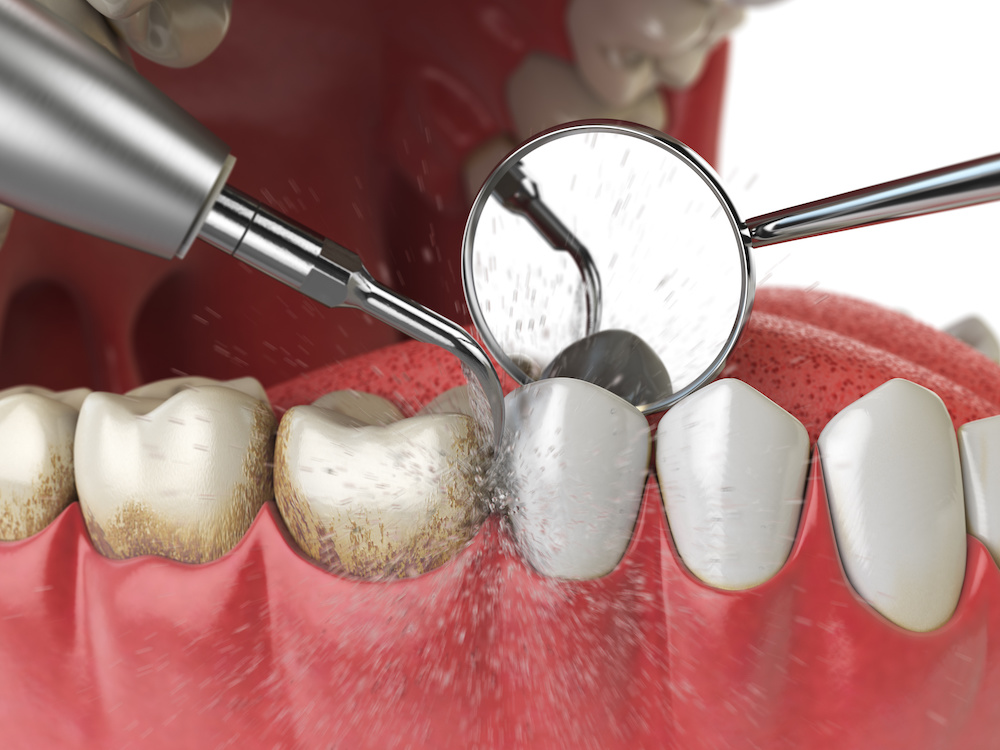
Teeth Cleaning for Patients With Healthy Gums
Patients with generally healthy gums and minimal tartar buildup may only need routine professional cleaning. This procedure focuses on removing plaque and hardened deposits from accessible tooth surfaces.
Regular brushing, flossing, and dental checkups can help reduce plaque accumulation between visits. Patients who maintain consistent oral hygiene may not require extensive cleaning during every appointment.
The total fee for routine cleaning depends on the clinic's services, appointment requirements, and whether examination or polishing is included.
Teeth Cleaning for Patients With Heavy Tartar Buildup
Some people develop significant tartar deposits around their teeth, particularly near the gumline and between difficult-to-reach areas. This can happen when plaque is not removed effectively through daily brushing and flossing.
Professional scaling is necessary because hardened tartar cannot be removed with a regular toothbrush. The dental professional uses suitable instruments to remove these deposits carefully.
When tartar buildup is extensive, the appointment may take longer. This can affect the overall Teeth Cleaning Cost, especially if additional cleaning sessions are required.
Teeth Cleaning for Patients With Sensitive Teeth
People with sensitive teeth may experience discomfort when their teeth are exposed to cold drinks, hot foods, or pressure. Some may also notice sensitivity during professional scaling.
Dental cleaning is still important for patients with sensitivity, but the dentist may need to adjust the procedure according to their comfort level.
Inform your dental professional about sensitivity before treatment. They can assess the possible cause and recommend suitable cleaning techniques or other care if needed.
Sensitivity that is persistent or severe should not automatically be treated as a normal part of dental cleaning. It may require a separate examination.
Teeth Cleaning for Patients With Gum Problems
Patients with swollen, bleeding, or tender gums may need more than routine cleaning. These symptoms can be associated with gingivitis or other periodontal conditions.
A dentist may recommend a detailed gum examination to assess the severity of the problem. If deposits have accumulated beneath the gumline, scaling and root planing may be necessary.
Deep cleaning generally requires more time and professional attention than routine scaling. The final expense depends on the areas requiring treatment and whether the procedure needs multiple appointments.
Teeth Cleaning for Adults
Adults can benefit from professional cleaning even when they do not experience obvious dental problems. Plaque and tartar can accumulate gradually, especially around the back teeth and along the gumline.
The cleaning method depends on the patient's dental condition rather than age alone. An adult with healthy gums may only need routine cleaning, while someone with periodontal concerns may require a more extensive procedure.
Regular dental visits can help adults maintain oral hygiene and identify problems before they become more serious.
Teeth Cleaning for Older Patients
Older adults may have additional dental concerns, such as gum recession, exposed tooth roots, dry mouth, dental restorations, or missing teeth.
These conditions can influence how professional cleaning is performed. For example, exposed roots may be more sensitive, while crowns, bridges, and other restorations may require careful attention during cleaning.
The dentist should review the patient's dental history and current oral condition before recommending treatment. The cost depends on the cleaning required and any additional services involved.
Teeth Cleaning for Patients With Braces
People wearing braces can find it more difficult to remove food particles and plaque because brackets and wires create additional areas where deposits can collect.
Professional cleaning helps remove buildup from accessible tooth surfaces and supports better oral hygiene during orthodontic treatment.
However, routine cleaning does not replace the special cleaning instructions provided by an orthodontist. Patients with braces should follow professional advice about brushing, interdental brushes, and flossing tools.
The overall appointment cost may depend on the amount of buildup and whether additional orthodontic or dental services are required.
Teeth Cleaning for Patients With Dental Crowns and Bridges
Dental crowns and bridges need proper cleaning to maintain healthy surrounding gums and natural teeth. Plaque can accumulate around restoration edges and beneath bridge structures.
A dental professional can clean accessible areas while taking care around existing restorations. Patients may also need guidance about using floss threaders or special interdental brushes.
The presence of crowns or bridges does not automatically mean that cleaning will cost more. However, the time and techniques required may vary depending on the condition of the restorations and surrounding tissues.
What Should Patients Consider Before Booking?
Before arranging professional cleaning, patients should understand which procedure is being recommended. Ask whether routine scaling is sufficient or whether a deeper gum treatment is necessary.
It is also helpful to confirm whether the quoted fee includes examination, scaling, polishing, and any additional services. If X-rays or other treatments are recommended, ask whether they are charged separately.
Patients should avoid selecting a procedure based only on its advertised price. The most suitable treatment is the one that addresses their actual dental condition.
How to Maintain Results After Teeth Cleaning
Good oral hygiene helps maintain the benefits of professional cleaning. Brush twice daily using fluoride toothpaste and a soft-bristled toothbrush. Clean between your teeth every day with dental floss or an appropriate interdental cleaning tool.
Limit frequent sugary snacks and drinks, and avoid tobacco products. If you wear braces, crowns, or bridges, follow the cleaning instructions provided by your dental professional.
Regular checkups also help identify plaque accumulation and gum problems early. Your dentist can recommend a cleaning schedule based on your individual needs.
Final Thoughts on Teeth Cleaning Cost
Teeth Cleaning Cost is not identical for every patient because dental conditions and treatment requirements differ. Healthy gums, heavy tartar buildup, tooth sensitivity, braces, and periodontal problems can all influence the type of cleaning needed.
A professional examination is the best way to understand your dental needs and receive an appropriate estimate. Discuss the recommended procedure and included services before starting treatment so you can make an informed decision about your oral health.