
A Visa Blood Test is one of the medical investigations that may be required when applying for a work visa, residency permit, or another immigration category. The exact procedure depends on the destination country, visa type, and medical screening regulations. Understanding each stage can help applicants prepare their documents, attend their appointments confidently, and complete the necessary medical requirements without unnecessary complications.
People arranging healthcare services may also search for Blood Test In Dubai when looking for laboratory testing options in the UAE. However, applicants completing an immigration medical examination should confirm whether their visa requires testing at an officially authorized centre. Choosing the correct facility is essential because a routine laboratory report may not be accepted for an official immigration application.
What Is a Visa Blood Test?
A Visa Blood Test involves collecting a blood sample to perform laboratory investigations required by a particular immigration medical programme. The tests may help screen for specified infectious diseases or assess other health indicators, depending on the applicable rules.
Not every applicant needs the same investigations. Requirements may differ between countries, visa categories, and individual circumstances. Some programmes require blood testing alongside a physical examination, chest X-ray, urine test, or other medical assessments.
Before arranging an appointment, check the instructions issued by the relevant immigration authority. This will help you identify the tests required and determine where the examination must be completed.
Step-by-Step Visa Blood Test Procedure
Understanding the process beforehand can help you know what to expect when you arrive at the medical centre.
Step 1: Appointment Booking
The first step is to determine whether you need an appointment at a designated medical facility. Some centres allow walk-in visits, while others require advance booking.
When making your appointment, explain which visa category you are applying for and ask about the required examinations. Confirm the appointment time, location, fees, and documents you must bring.
Step 2: Document Verification
When you arrive, staff generally verify your identity and review your appointment information. You may need to present your passport, visa application details, medical examination form, or other requested documents.
Accurate information is important because medical records must be associated with the correct applicant. If you notice an error in your personal details, inform the staff before the examination proceeds.
Step 3: Medical Assessment
Depending on the programme, a healthcare professional may ask questions about your medical history and conduct a physical examination. Additional investigations may be arranged when required by the official screening procedure.
Follow the instructions provided by the medical staff and answer health-related questions accurately.
Step 4: Blood Sample Collection
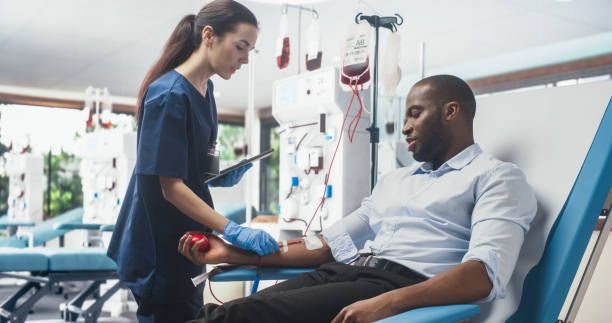
A trained healthcare professional typically cleans the selected area of your arm and inserts a sterile needle into a vein. The required blood sample is collected into labelled tubes and sent to a laboratory for analysis.
The collection itself generally takes a few minutes. You might feel a brief pinch or experience minor bruising afterward.
Step 5: Laboratory Testing
The laboratory performs the tests specified for your medical examination. Depending on the screening programme, this may involve testing for certain infectious diseases or other health indicators.
The sample is processed using appropriate laboratory procedures, and the results are recorded for review.
Step 6: Results and Submission
Once the testing is complete, the results are handled according to the relevant immigration programme. Some authorized centres submit reports directly to the immigration authority, while others provide applicants with instructions about accessing their results.
Ask the centre how you will be informed if additional investigations are necessary.
How to Prepare Before Your Appointment
Preparation begins with checking the instructions provided by the medical centre. Ask whether any of your required tests involve fasting, because not every blood test requires it.
Continue taking prescribed medicines unless your healthcare professional advises you to make a change. Drink water normally unless you have been given different instructions, and wear clothing that allows easy access to your arm.
Prepare your identification documents, appointment confirmation, and any requested medical forms in advance. Arriving on time can help you complete registration without unnecessary stress.
If you feel anxious about needles or have previously fainted during blood collection, tell the healthcare professional before the procedure begins.
Which Tests May Be Included?
The investigations included in a Visa Blood Test depend on the destination country's immigration rules and the applicant's visa category.
Some medical screening programmes require tests for particular infectious diseases, which may include HIV or hepatitis screening where specified by the applicable regulations. Other programmes may require different laboratory investigations or additional examinations based on individual circumstances.
A complete blood count or other routine laboratory test should not be assumed to be compulsory for every visa application. Only the relevant authority or authorized medical centre can confirm the exact requirements for your situation.
Applicants should also understand that a screening result may require further assessment before a healthcare professional can reach a conclusion.
How Long Does the Procedure Take?
Blood collection usually takes only a few minutes, but the complete appointment can take longer because of registration, document verification, physical examinations, and other required procedures.
Laboratory processing times depend on the tests performed and the facility's workload. Some results may be available relatively quickly, while other investigations require additional time.
The time needed for medical screening is separate from the overall visa processing period. Completing your examination does not guarantee immediate approval because immigration authorities may need to review other parts of your application.
For accurate timing information, contact the authorized medical centre before your appointment.
Common Mistakes to Avoid
One frequent mistake is attending a general laboratory without checking whether it is authorized to perform the required immigration examination. This can lead to additional expenses or the need to repeat the process.
Another mistake is arriving without the required identification or application documents. Review the centre's instructions carefully and contact staff if anything is unclear.
Applicants should also avoid making assumptions about fasting, medication, or the tests included in their examination. Follow the instructions given for your specific appointment rather than relying on advice intended for a different medical test.
Finally, allow enough time for laboratory processing and any follow-up investigations that may be necessary.
How to Choose the Right Medical Centre
Selecting an appropriate facility is an important part of completing your Visa Blood Test. Check whether the centre is officially authorized for your visa category and destination country.
Confirm its appointment procedures, required documents, expected processing time, and method of result submission. If the immigration authority specifies a particular facility, follow that requirement rather than selecting a laboratory solely because it is nearby or inexpensive.
A reliable centre should provide clear information about the examination process and explain what you should do if additional testing is required.
Conclusion
Understanding Visa Blood Test procedures can help applicants prepare for immigration medical screening with greater confidence. From booking an appointment and verifying documents to collecting blood samples and receiving results, each stage should follow the requirements of the relevant medical programme.
Before attending, confirm the authorized facility, required investigations, preparation instructions, and expected processing time. Follow professional medical advice and respond promptly if further testing is requested.
Careful preparation can help you complete the medical examination efficiently and reduce avoidable delays during your visa application process.