
Vitamin D plays an important role in maintaining healthy bones, supporting muscle function, and helping the body absorb calcium. When vitamin D levels become too low, some people may develop health problems that require medical assessment. Vitamin D Tests At Home provide a convenient way to check vitamin D levels through professional blood sample collection without travelling to a diagnostic centre.
Understanding the reason behind your symptoms is an important part of choosing the right healthcare service. Doctor At Home In Dubai can provide a convenient option for people seeking medical consultations at home, depending on availability and their individual needs. A qualified doctor can review symptoms, assess risk factors, and recommend a vitamin D blood test when clinically appropriate.
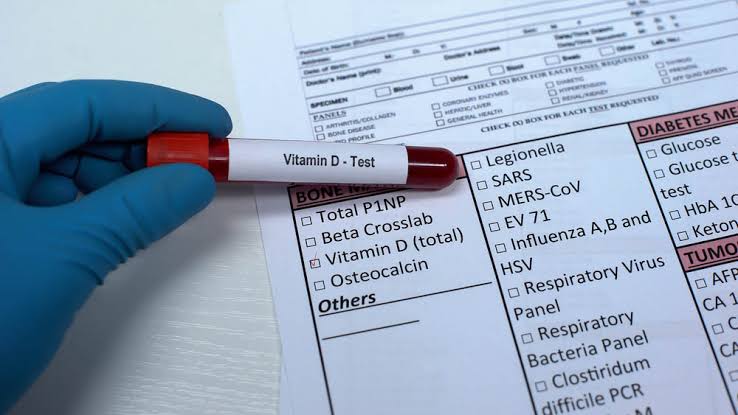
What Is Vitamin D Deficiency?
Vitamin D deficiency occurs when the body does not have enough vitamin D to meet its needs. Vitamin D helps regulate calcium absorption and supports the maintenance of healthy bones and muscles.
Low levels may develop for several reasons, including limited sunlight exposure, inadequate dietary intake, certain medical conditions, or difficulties absorbing nutrients. Some medicines and health conditions can also affect vitamin D metabolism.
Not everyone with low vitamin D experiences symptoms. When symptoms occur, they may include muscle weakness, bone discomfort, or problems associated with weakened bones. These signs can also be linked to other conditions, so a proper medical assessment is important.
How Vitamin D Tests At Home Help Identify Low Levels
Vitamin D Tests At Home allow patients to arrange blood sample collection through a home healthcare provider. A qualified professional collects a sample and sends it to a diagnostic laboratory for testing.
The test generally measures 25-hydroxyvitamin D, also known as 25(OH)D. This measurement is widely used to assess a person's vitamin D status.
The laboratory result helps a healthcare professional determine whether the level is low, adequate, or higher than expected. The interpretation depends on the actual result, laboratory reference information, and the person's medical circumstances.
Home collection offers convenience, but the sample still needs to be collected, transported, and analysed using appropriate procedures.
Common Signs That May Be Associated With Vitamin D Deficiency
Bone Discomfort and Muscle Weakness
Some people with significant vitamin D deficiency experience bone pain or muscle weakness. Prolonged deficiency can affect bone mineralisation and may contribute to osteomalacia in adults.
However, joint pain, back pain, and muscle discomfort have many possible causes. A healthcare professional can determine whether vitamin D testing is appropriate or whether other investigations should be considered.
Persistent Tiredness
Feeling tired can sometimes occur alongside low vitamin D levels, but fatigue is not a reliable sign of deficiency on its own. Sleep problems, stress, anaemia, thyroid conditions, and other health issues can also cause tiredness.
If fatigue continues despite adequate rest, consider speaking with a qualified healthcare professional rather than assuming that vitamin D is the cause.
Few or No Noticeable Symptoms
A person can have low vitamin D levels without obvious symptoms. This is one reason that clinical risk factors and medical history matter when deciding whether testing is needed.
Routine testing is not necessary for everyone. A healthcare professional can help determine whether a blood test is likely to provide useful information.
Who May Have a Higher Risk of Vitamin D Deficiency?
People With Limited Sunlight Exposure
The body produces vitamin D when skin is exposed to ultraviolet B radiation from sunlight. People who spend most of their time indoors or have limited skin exposure may be at greater risk of inadequate levels.
Sunlight needs vary with skin type, season, location, clothing, and other factors. Excessive sun exposure can damage the skin, so it is important to balance outdoor activity with appropriate sun protection.
Older Adults
As people age, their skin becomes less efficient at producing vitamin D. Some older adults may also spend less time outdoors or have medical conditions that affect nutrient absorption.
For those who find travelling difficult, home sample collection can provide a convenient way to complete testing recommended by their clinician.
People With Certain Medical Conditions
Some digestive conditions can interfere with the absorption of vitamin D. Kidney and liver disorders may also affect how the body processes it.
People who have previously been diagnosed with a deficiency may need follow-up testing as part of their treatment plan. The need for repeat testing depends on the person's health, treatment, and clinical recommendations.
How the Home Testing Process Works
The first step is to book an appointment with a provider offering home blood collection. You may need to share your location, preferred appointment time, and the test requested by your healthcare professional.
A qualified sample collection professional visits your home and collects a small amount of blood using appropriate equipment and hygiene procedures. The sample is labelled and transported to a diagnostic laboratory for analysis.
Once the results are available, the provider shares the report according to its usual process. You can then discuss the findings with your doctor if interpretation or treatment advice is needed.
Before booking, confirm the cost, appointment availability, expected reporting time, and whether a medical consultation is included.
Preparing for Vitamin D Tests At Home
Most vitamin D blood tests do not require fasting. However, if other blood investigations are being performed during the same appointment, different preparation instructions may apply.
Inform the healthcare professional about your medicines and supplements, especially vitamin D and calcium products. Do not stop prescribed treatment or change your supplement dose without medical advice.
If you have previously felt faint during blood collection, tell the professional before the procedure. Following the instructions provided by your laboratory or healthcare provider can help make sample collection more comfortable.
Understanding Your Vitamin D Results
Vitamin D levels are commonly reported in nanograms per millilitre (ng/mL) or nanomoles per litre (nmol/L). Your healthcare professional will interpret the result using the laboratory's reference information and relevant clinical guidance.
A low result may indicate deficiency or inadequate vitamin D status. The next steps depend on how low the level is, your symptoms, existing medical conditions, and other individual factors.
Your doctor may recommend dietary adjustments, supplementation, or further investigations. Avoid starting high-dose vitamin D supplements without professional guidance because excessive intake can cause high calcium levels and serious complications, including kidney damage.
Ways to Support Healthy Vitamin D Levels
Maintaining a balanced diet is an important part of general nutritional health. Foods such as oily fish, egg yolks, and vitamin D-fortified products can contribute to vitamin D intake.
Appropriate outdoor activity may also help the body produce vitamin D, although the amount produced varies between individuals. Supplements may be appropriate for some people, particularly when deficiency has been identified, but the correct dose should be based on professional advice.
Testing can help guide decisions when clinically indicated, but it does not replace a balanced diet, regular physical activity, or management of existing health conditions.
Conclusion
Vitamin D Tests At Home offer a convenient way to assess vitamin D levels and help healthcare professionals investigate a possible deficiency. Home blood collection can be especially useful for people with limited time, mobility challenges, or difficulty travelling to a laboratory.
Because vitamin D deficiency can occur with or without noticeable symptoms, testing decisions should be based on individual risk factors and medical advice. Choose a reliable provider, review your results with a qualified healthcare professional, and follow an appropriate care plan to support healthy bones, muscle function, and overall well-being.