
Receiving medical care at home can be a convenient option for patients who need prescribed treatment but prefer to avoid unnecessary travel. IV Drip at Home allows eligible patients to receive intravenous fluids or medication in a familiar environment under the supervision of a qualified healthcare professional. Understanding the process beforehand can help patients feel more prepared, know what questions to ask, and recognize the importance of following medical instructions throughout the appointment.
When symptoms such as dehydration, persistent vomiting, or unusual weakness develop, professional assessment is important before starting intravenous treatment. Doctor At Home In Dubai services can help eligible patients arrange a medical evaluation in their home environment. A doctor can review symptoms, assess medical history, and determine whether an infusion is appropriate or whether another form of treatment is needed.
What Happens Before the IV Drip Begins?
Initial Medical Assessment
The appointment usually begins with a review of the patient's current condition. The healthcare professional may ask about symptoms, recent illnesses, fluid intake, allergies, medications, and existing medical conditions.
Depending on the patient's needs, the assessment may include checking blood pressure, pulse, temperature, and other relevant observations. Some conditions may require blood tests or further investigations before intravenous fluids can be prescribed.
This assessment is especially important for people with kidney disease, heart conditions, or problems affecting their fluid and electrolyte balance. Not every patient experiencing fatigue or thirst needs an IV infusion.
Confirming the Treatment Plan
Before starting treatment, the healthcare professional confirms which fluid or medication has been prescribed and whether home administration is suitable. The treatment plan determines the appropriate fluid composition, quantity, and administration rate.
The professional should explain the purpose of the treatment, possible side effects, and any precautions the patient needs to follow. Patients should have an opportunity to ask questions and share concerns before the procedure begins.
If the patient's condition requires emergency treatment or hospital-level monitoring, a home appointment may not be appropriate.
How IV Drip at Home Is Administered
Preparing the Equipment
Once the treatment has been approved, the healthcare professional prepares the required equipment. This may include the prescribed IV fluid, sterile tubing, a small catheter, gloves, and antiseptic supplies.
Proper hand hygiene and infection-control procedures help reduce the risk of complications. Sterile equipment should be handled carefully, and disposable items must be used and discarded according to appropriate medical standards.
The patient should be informed about the procedure and made comfortable before the infusion starts.
Inserting the IV Cannula
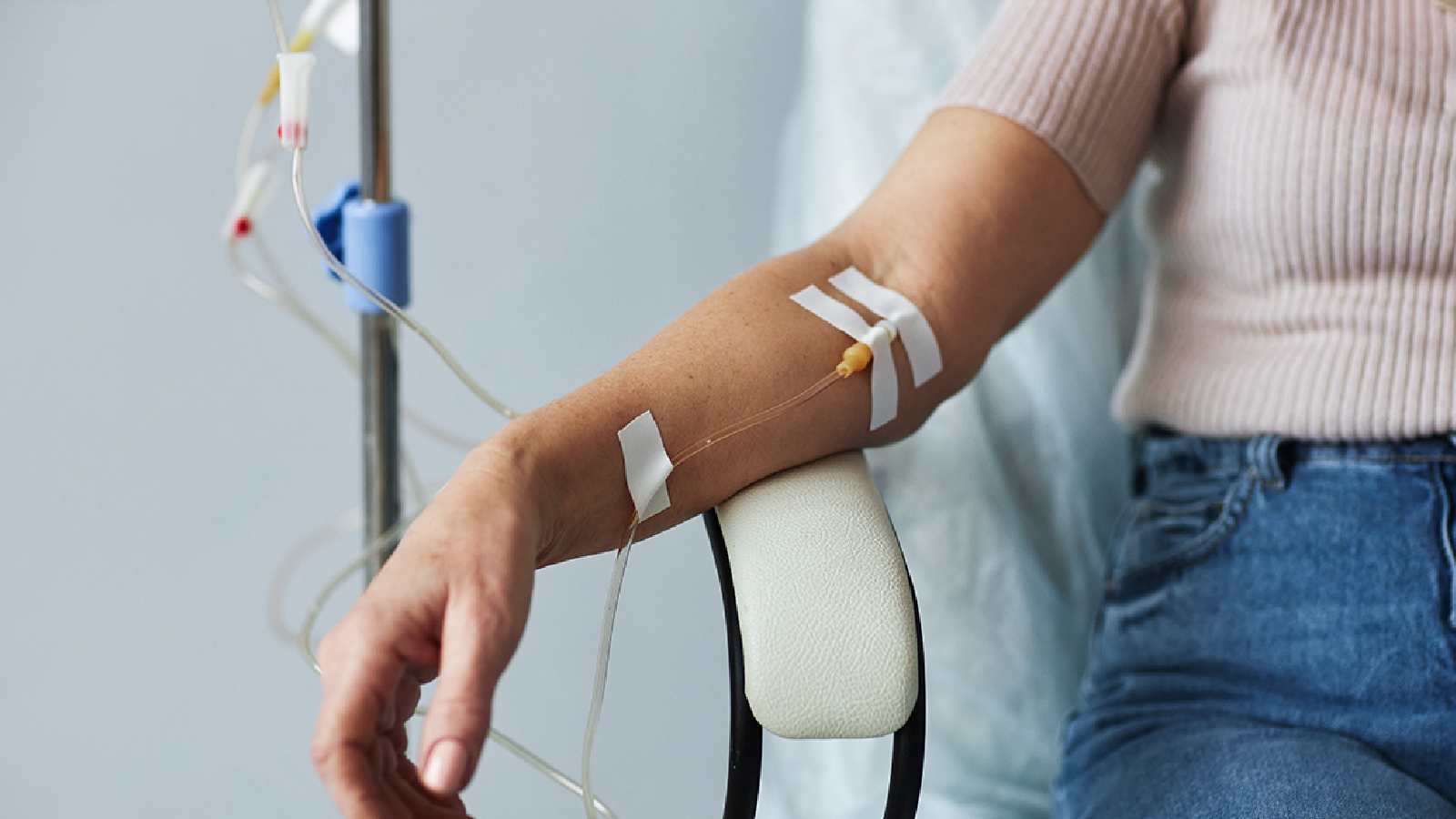
A healthcare professional inserts a small catheter into a suitable vein, commonly in the hand or arm. The insertion site is cleaned before the procedure, and the catheter is secured after placement.
Some brief discomfort can occur when the needle is inserted. The needle is then removed, leaving the flexible catheter in place for the infusion.
Patients should immediately report significant pain, burning, swelling, or discomfort around the insertion site. These symptoms may indicate that the catheter requires assessment.
Starting the Infusion
The prescribed fluid is connected to the IV tubing, and the healthcare professional sets the appropriate administration rate. The duration of the treatment depends on the prescribed fluid volume, the patient's medical condition, and the required rate of administration.
During IV Drip at Home, patients should follow the professional's instructions and avoid adjusting the infusion themselves. Fluids administered too quickly or in excessive amounts can cause complications, especially in people with certain heart or kidney conditions.
What Does an IV Drip Feel Like?
Many patients experience only brief discomfort when the cannula is inserted. Once the infusion begins, the treatment may feel relatively uneventful, although individual experiences vary.
Some patients notice coolness around the infusion site, while others feel no particular sensation. Significant pain, swelling, burning, or fluid leakage should never be ignored.
Patients should remain in a comfortable position and communicate with the healthcare professional if anything feels unusual. There is no need to tolerate significant discomfort simply because an infusion is already underway.
How Long Does an IV Drip at Home Take?
The appointment duration depends on several factors, including the type of fluid, prescribed volume, administration rate, and the time needed for assessment and aftercare.
Some infusions take less time than others, while certain treatments require longer administration and additional monitoring. There is no single duration that applies to every patient.
The healthcare professional should explain the expected appointment length before starting treatment. Patients should not attempt to speed up an infusion to finish sooner, as doing so may increase the risk of complications.
What Are the Benefits of Receiving Treatment at Home?
Convenient Access to Medical Care
For patients who are suitable for home treatment, receiving an infusion at home can reduce the inconvenience of travelling to a clinic. This may be helpful for people with mobility limitations or those who need scheduled treatment during recovery.
However, home-based treatment is not a substitute for emergency care. Patients who need urgent investigations or close hospital monitoring should receive care in the appropriate medical setting.
Individualized Treatment
Every patient's medical needs are different. Factors such as fluid loss, kidney function, heart health, medications, and underlying illnesses can affect whether intravenous treatment is appropriate.
A professional assessment helps ensure that treatment is selected according to the patient's condition rather than provided as a routine wellness service.
Familiar Surroundings
Some patients feel more comfortable receiving appropriate medical care in a familiar environment. A home appointment can allow them to avoid unnecessary travel while still receiving professional attention.
Comfort, however, should always be balanced with clinical safety and access to the monitoring or emergency support the patient may need.
Safety Measures During IV Therapy
Although IV Drip at Home can be convenient, intravenous treatment carries potential risks. These include infection, bleeding, vein inflammation, catheter displacement, and fluid leakage into surrounding tissue.
Excessive fluid administration can also cause fluid overload. Patients with certain heart or kidney conditions may need additional precautions or a different treatment setting.
Choose a provider that employs appropriately licensed healthcare professionals and follows sterile procedures. Tell the professional about allergies, existing medical conditions, and current medications before treatment begins.
Seek urgent medical attention if you develop difficulty breathing, chest pain, fainting, or sudden confusion. These symptoms should not be managed by continuing a routine home infusion.
What to Do After the Infusion
After the prescribed infusion is complete, the healthcare professional removes the catheter when appropriate and checks the insertion site. A dressing may be applied, and the patient receives instructions about caring for the area.
Follow the advice provided about drinking fluids, taking prescribed medication, and attending any recommended follow-up appointments. Patients should not assume that receiving IV fluids automatically resolves the underlying cause of their symptoms.
Report increasing redness, swelling, pain, discharge, or fever after treatment. If symptoms that prompted the appointment persist or worsen, seek further medical assessment.
How to Prepare for Your Appointment
Keep your medication list, allergy information, and relevant medical records available. Tell the healthcare professional about recent symptoms, fluid losses, and any history of heart or kidney problems.
Prepare a clean, well-lit area where the professional can work safely. Follow any specific instructions given before the appointment, and do not change medications or restrict fluids without medical advice.
It is also useful to ask about the treatment's purpose, possible side effects, expected duration, and signs that require medical attention.
Conclusion
IV Drip at Home involves several steps, including medical assessment, equipment preparation, catheter insertion, infusion administration, monitoring, and aftercare. Knowing what to expect can help patients prepare for the appointment and communicate effectively with their healthcare professional.
The suitability of home intravenous treatment depends on the patient's medical condition and prescribed treatment requirements. With appropriate assessment, sterile equipment, and qualified supervision, eligible patients can receive suitable treatment at home while maintaining a focus on safety and effective recovery.
Is this conversation helpful so far?