
Some patients need professional nursing assistance but may not need to stay in a hospital or visit a clinic frequently. A Private Nurse at Home can provide personalized support in a familiar environment based on the patient's healthcare needs and care plan. Home nursing can be useful during recovery, after hospital discharge, for elderly patients, or when an individual needs regular assistance with daily healthcare routines. When a medical consultation is needed alongside nursing support, Doctor at home in Dubai services can provide convenient access to professional medical care at home.
Knowing when home nursing may be appropriate can help families organize care more effectively. The decision should always consider the patient's medical condition, mobility, independence, and recommendations from qualified healthcare professionals.
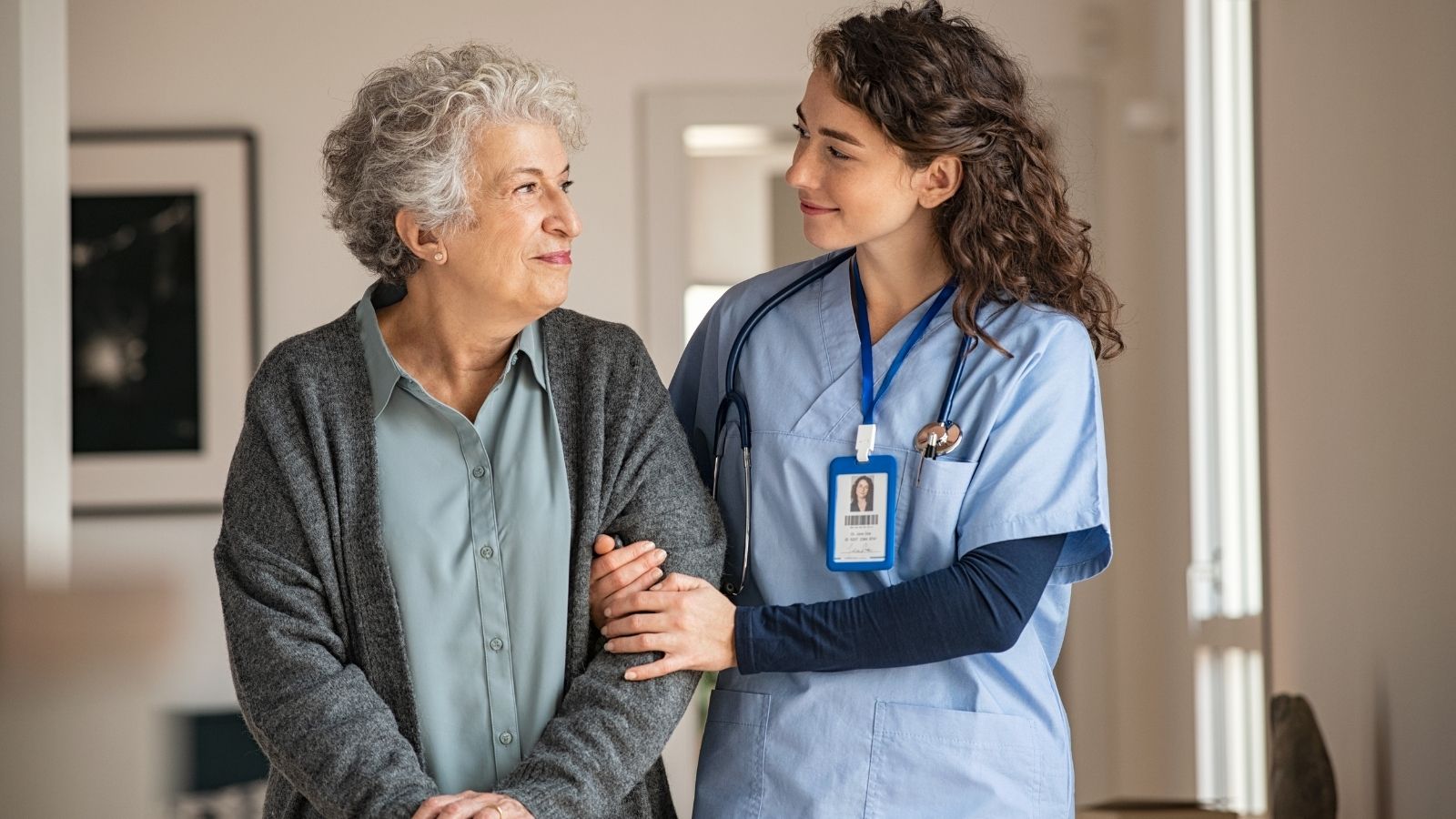
What Does a Private Nurse at Home Do?
A Private Nurse at Home provides professional nursing support within a patient's residence. The exact responsibilities depend on the patient's condition and the care plan created by their healthcare team.
Depending on the circumstances, nursing assistance may include monitoring relevant health measurements, supporting mobility, assisting with personal care, helping with prescribed medication routines, and observing changes in the patient's condition.
A private nurse does not replace a doctor. Nursing care works alongside medical treatment and helps patients follow appropriate healthcare instructions in their home environment.
After Hospital Discharge
One of the common situations in which home nursing may be considered is after a patient leaves the hospital. Returning home does not always mean that a person has completely recovered.
Patients may still have difficulty walking, completing personal care, following medication routines, or managing other daily activities. A nurse can provide appropriate assistance during this transition when home care has been recommended by the healthcare team.
Post-hospital nursing can help create continuity between professional healthcare received in the hospital and appropriate support at home.
During Recovery From Surgery
Surgical recovery can require additional attention, especially during the first stages of healing. Patients may need assistance with movement, hygiene, prescribed care routines, and monitoring.
A private nurse can follow the instructions provided by the patient's healthcare professionals and assist with appropriate recovery tasks. The nurse can also communicate relevant changes to the responsible medical team.
The level of support required depends on the type of procedure and the patient's individual recovery.
When Mobility Is Limited
Patients with limited mobility may find it difficult to travel regularly to a healthcare facility or complete everyday tasks independently.
A Private Nurse at Home can provide appropriate assistance with movement and daily activities according to the patient's care plan. This can be particularly useful for elderly individuals, patients recovering from injuries, and people who temporarily have reduced physical independence.
Safe mobility should always be approached according to professional healthcare recommendations.
For Elderly Patients
Older adults may require additional support as everyday activities become more challenging. Some seniors may benefit from assistance with personal care, mobility, health monitoring, or prescribed healthcare routines.
Home nursing allows an elderly person to receive professional assistance while remaining in familiar surroundings. This can also provide family members with additional support when they cannot be present throughout the day.
The amount of nursing care required will vary from one elderly patient to another.
When Daily Healthcare Tasks Become Difficult
Certain patients may struggle with daily healthcare routines because of age, illness, injury, or temporary weakness. Tasks that were previously simple may require professional assistance during recovery.
A private nurse can help with appropriate activities included in the care plan. This can include personal hygiene support, mobility assistance, routine health observations, and other nursing responsibilities within the professional scope of care.
The objective is to help the patient maintain a safe and organized routine while encouraging independence whenever appropriate.
When Regular Health Monitoring Is Required
Some patients require regular monitoring as part of their healthcare plan. A nurse may check blood pressure, temperature, pulse, or other measurements when instructed by the patient's healthcare provider.
Having these observations performed at home can be convenient for patients who have difficulty making frequent trips to a clinic. The information can also be communicated to the healthcare team when changes require attention.
However, routine monitoring should not be confused with diagnosis. Any concerning result should be discussed with an appropriate healthcare professional.
When Family Members Need Additional Support
Family members often provide important care for relatives, but continuous caregiving can become difficult to manage alongside work and other responsibilities.
Hiring a private nurse can provide professional assistance during agreed care periods. Family members can remain involved while the nurse manages appropriate nursing responsibilities.
This arrangement can help divide responsibilities more effectively and provide the patient with professional support when relatives are unavailable.
For Long-Term Home Care
Some patients require nursing assistance for an extended period because of ongoing healthcare needs. In these situations, a consistent home nursing arrangement may help establish a stable care routine.
Long-term care can include regular monitoring, assistance with daily activities, mobility support, and other services included in the patient's care plan.
The care plan should be reviewed when the patient's condition changes so that healthcare professionals can determine whether the level of support remains appropriate.
For Short-Term Care Needs
Home nursing is not only for long-term situations. Some patients may need professional support for a few days or weeks while recovering from an illness, injury, procedure, or hospitalization.
Short-term nursing assistance can help patients manage the temporary period when they are not yet able to complete all daily activities independently.
Once the patient becomes more independent, the healthcare team can determine whether continued nursing support is necessary.
Signs That Professional Support May Help
Families may consider discussing home nursing with a healthcare provider when a patient is struggling with daily activities, requires regular health monitoring, has difficulty moving safely, needs assistance after hospital discharge, or cannot manage certain prescribed care routines independently.
The need for a nurse should be determined according to the patient's actual healthcare requirements rather than convenience alone. A qualified healthcare professional can help determine what type of care is appropriate.
How to Choose Home Nursing Support
When arranging a Private Nurse at Home, families should consider the nurse's professional qualifications, experience, availability, and ability to meet the patient's specific care requirements.
It is useful to provide complete information about the patient's medical history, current medications, allergies, mobility, daily routine, and doctor's instructions. Clear communication can help the nurse provide care that is consistent with the established plan.
Families should also understand what services are included and how the nurse will communicate important changes to the healthcare team.
Home Nursing vs Emergency Care
Home nursing is intended for appropriate routine and supportive care. It should never replace emergency medical services.
If a patient develops severe breathing problems, loses consciousness, experiences sudden severe symptoms, or faces another medical emergency, immediate emergency medical assistance should be requested.
For non-emergency concerns, the patient's doctor or healthcare provider can provide guidance about whether an assessment or adjustment to the care plan is required.
Conclusion
A Private Nurse at Home may be appropriate when a patient needs professional nursing assistance but can safely receive care in their home. Post-hospital recovery, surgery recovery, elderly care, limited mobility, regular monitoring, and temporary or ongoing support are some situations where home nursing may be considered.
The right level of care depends on the patient's individual condition and healthcare plan. By coordinating nursing support with doctors, family members, and other healthcare professionals, patients can receive appropriate assistance while remaining in a familiar home environment.