
Choosing the right healthcare support can make a meaningful difference when a patient needs regular medical assistance or help during recovery. Travelling to a healthcare facility may be difficult for older adults, people with limited mobility, and patients recovering from surgery or illness. Home Nursing Services offer a convenient option for receiving selected nursing care in familiar surroundings. With qualified professionals and an appropriate care plan, patients can receive support for medical routines, recovery needs, and health monitoring while maintaining as much independence as their condition allows.
Access to Medical Guidance at Home
Patients sometimes need both nursing assistance and medical assessment to manage their health effectively. Doctor At Home In Dubai services may provide medical consultations at home, depending on the provider's available services. When nursing care is also required, coordination between the doctor and nursing professional can help patients follow treatment instructions and ensure that relevant changes in their condition are communicated appropriately.
Personalized Attention for Every Patient
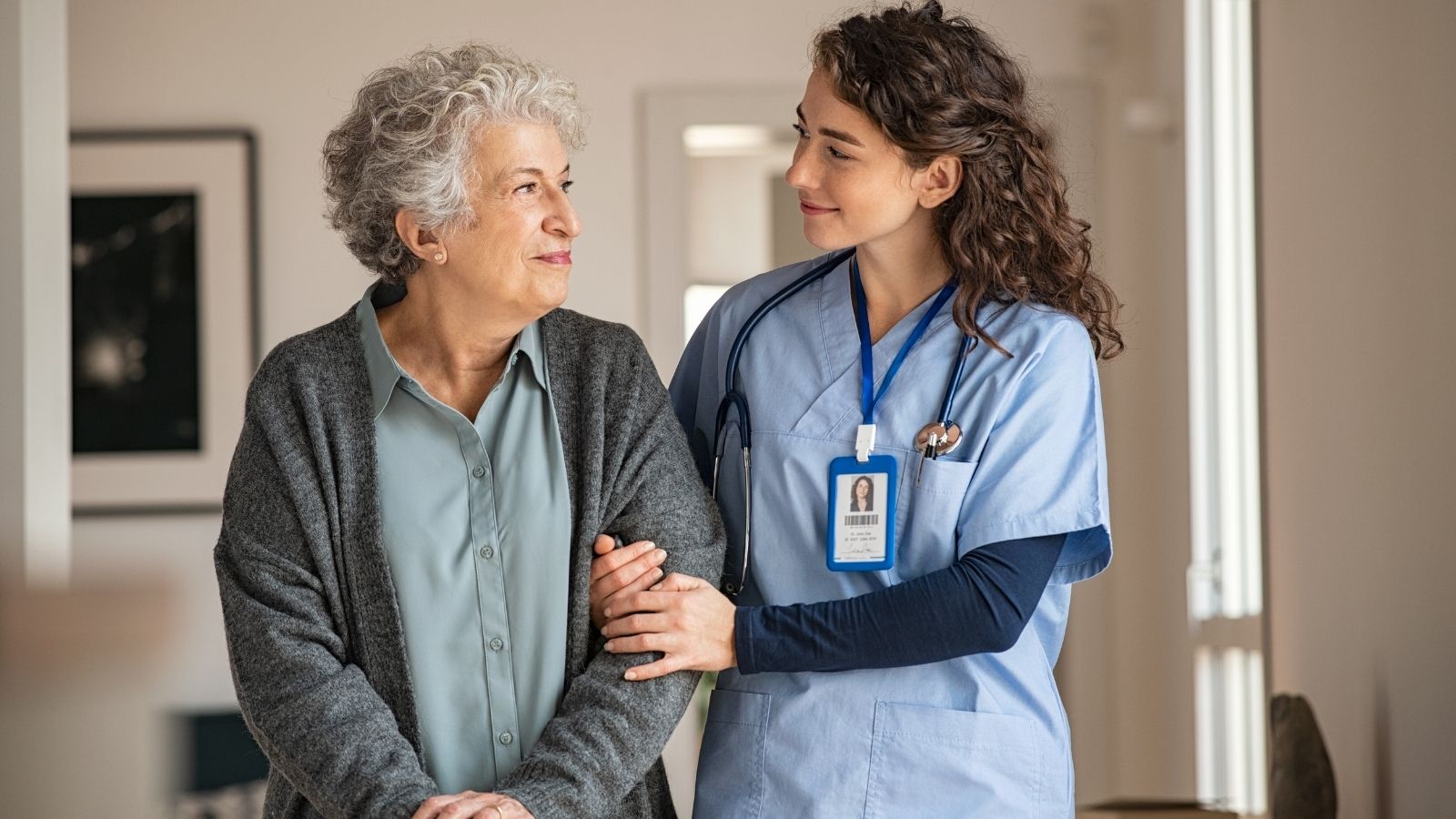
One reason families choose Home Nursing Services is the opportunity to arrange care according to a patient's individual needs. Every person has a different medical history, level of independence, and recovery goal, so the appropriate level of nursing support can vary.
Depending on the care plan, a qualified nurse may monitor vital signs, provide prescribed wound care, assist with medication administration, or help the patient manage selected clinical requirements. The services provided depend on the nurse's qualifications, professional scope, and the provider's capabilities.
Individualized care can also make it easier for patients and relatives to ask questions and understand the instructions given by their healthcare team. This communication can support better coordination throughout the care process.
Comfort and Convenience in Familiar Surroundings
Receiving appropriate nursing assistance at home allows patients to remain in a familiar environment. This may be particularly helpful for people who feel uncomfortable travelling while recovering or who have difficulty accessing transportation.
Home visits can also reduce the time and effort involved in arranging certain nursing procedures. Patients may find it easier to coordinate appointments around their daily routines, while relatives can focus on providing emotional and practical support.
However, home nursing is not suitable for every medical situation. Patients who need emergency treatment, intensive monitoring, or specialised hospital equipment should receive care in an appropriate medical facility.
Support During Recovery and Rehabilitation
Recovery after surgery, an injury, or an illness may involve several responsibilities. Patients might need wound care, medication assistance, monitoring, and help following discharge instructions.
Professional nurses can support selected parts of this process according to the treatment plan. They may provide prescribed dressing changes, monitor relevant observations, and communicate concerns to the treating healthcare professional.
When rehabilitation is required, the patient may also benefit from physiotherapy or other specialist services. Nursing care can complement these services but does not replace them.
Patients should seek medical advice if symptoms worsen, recovery does not progress as expected, or new concerns develop. Severe or rapidly worsening symptoms may require urgent assessment.
Medication Management and Health Monitoring
Managing prescriptions can be challenging for people who take several medicines or have complex medical conditions. Professional nursing support may help patients follow prescribed medication schedules and understand important instructions.
Depending on the care plan and applicable professional requirements, nurses may assist with medication administration, observe for potential side effects, and communicate concerns to the responsible healthcare professional. Keeping an accurate list of medicines, supplements, and known allergies can help prevent misunderstandings.
Nurses may also monitor measurements such as blood pressure, pulse, or temperature when clinically appropriate. These observations can provide useful information, but they do not replace a medical diagnosis or professional review.
Patients should never change their medication doses without appropriate medical guidance.
Home Nursing Services for Elderly Patients
Older adults may need additional assistance because of mobility limitations, chronic conditions, or changes in their ability to manage daily healthcare tasks. Home Nursing Services can help eligible seniors receive selected medical support without travelling for every nursing visit.
Depending on individual needs, a nurse may assist with prescribed treatments, monitor health changes, provide wound care, and reinforce instructions from the treating doctor. Care should be designed to preserve the patient's independence wherever possible.
Respecting personal preferences and dignity is essential. Families should involve older adults in care decisions and ensure that the support provided matches their actual needs rather than making assumptions based only on age.
Assistance for Patients With Chronic Conditions
People living with chronic conditions may require ongoing monitoring and support with treatment routines. Depending on the diagnosis, this may involve observing symptoms, checking prescribed measurements, or helping patients follow instructions provided by their healthcare team.
Regular nursing support can make these routines easier to manage, particularly for patients who have difficulty travelling or need assistance with selected clinical procedures.
The frequency of nursing visits should be based on professional recommendations. Home nursing should complement medical appointments, laboratory investigations, and other treatments rather than replacing them.
Better Support for Family Caregivers
Caring for someone with ongoing medical needs can be demanding, especially when relatives must balance employment, household responsibilities, and patient care. Professional nursing assistance can help families manage selected clinical tasks and understand how to support their loved one.
Nurses may explain care instructions, discuss warning signs, and communicate relevant observations to the healthcare team. This can help family members feel better prepared to participate in the patient's care.
Clear communication is important. Families should understand the nurse's responsibilities, the schedule of visits, and the process for contacting the provider when a concern arises outside a scheduled appointment.
Safety and Professional Standards
The quality of nursing care depends on staff qualifications, appropriate procedures, and communication with the treating healthcare team. Before choosing a provider, confirm that it meets applicable licensing requirements and employs appropriately qualified nursing professionals.
Ask about infection-prevention practices, sample or wound-handling procedures where relevant, documentation, and how unexpected changes in a patient's condition are managed.
A reliable provider should explain which services can be delivered at home and when another level of medical care is needed. Cost and convenience are important, but they should not replace appropriate professional standards.
How to Choose the Right Home Nursing Provider
Start by identifying the patient's main needs, such as postoperative support, wound care, medication assistance, or ongoing monitoring. Explain the medical history, allergies, current medicines, mobility requirements, and any discharge instructions when discussing the service.
Ask about staff experience, visit duration, appointment availability, pricing, and communication with the patient's doctor. Confirm how the care plan will be reviewed if the patient's condition changes.
Choosing a provider that communicates clearly and understands the patient's requirements can make care more organised and help families know what to expect.
Conclusion
Home Nursing Services can provide valuable support for patients who need selected medical assistance, recovery care, or help managing ongoing health conditions. Personalized nursing, convenient appointments, and communication with healthcare professionals can help make home-based care more manageable for patients and families.
The best choice depends on the patient's medical needs, the qualifications of the nursing team, and the provider's ability to deliver appropriate care safely. By assessing these factors carefully, families can choose a service that supports comfort, dignity, and continuity of care at home.