
Managing a respiratory condition can require regular medical attention, prescribed treatment, and careful monitoring. For patients with confirmed low blood oxygen levels, receiving oxygen support at home may make their treatment routine more convenient. Oxygen Therapy At Home allows eligible individuals to use prescribed oxygen equipment in familiar surroundings while following guidance from qualified healthcare professionals. It can be a practical option for patients whose medical conditions are suitable for home-based care.
Professional medical advice is important before starting any respiratory treatment. Doctor At Home In Dubai services can help patients arrange medical assessments without travelling to a clinic. A qualified doctor can review symptoms, evaluate medical history, and determine whether oxygen testing or another treatment is necessary.
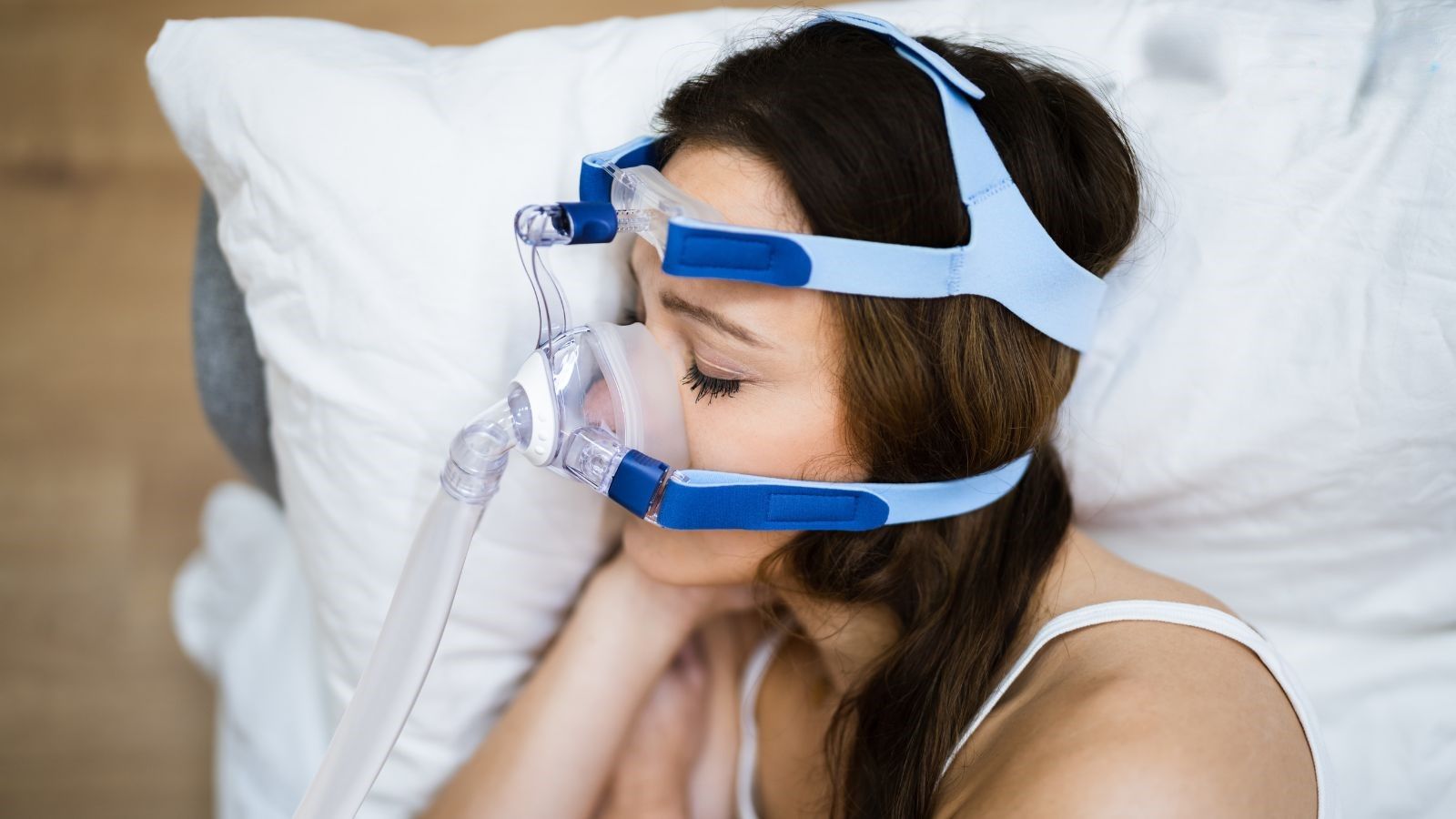
Understanding Oxygen Therapy At Home
Oxygen therapy is a medical treatment that supplies additional oxygen to patients whose blood oxygen levels are below the appropriate range. It may be prescribed for certain chronic lung diseases and other medical conditions that affect the body's ability to absorb oxygen.
Home oxygen treatment generally uses an oxygen concentrator or medical oxygen cylinder. Oxygen is delivered through a nasal cannula or face mask, depending on the patient's prescription.
The treatment is not suitable for everyone who experiences breathing difficulties. A healthcare professional must assess the patient's condition and determine whether supplemental oxygen is medically necessary.
Why Patients Choose Oxygen Therapy At Home
Comfortable Surroundings
One reason eligible patients may choose home oxygen treatment is the opportunity to receive prescribed respiratory support in familiar surroundings. People who need long-term oxygen therapy may find it easier to follow their treatment routine at home.
Family members and caregivers can also provide assistance when necessary.
Reduced Need for Travel
Patients with chronic respiratory conditions or limited mobility may find travelling difficult. Having suitable oxygen equipment at home can reduce unnecessary journeys for routine oxygen use.
However, patients still need medical appointments and regular assessments to monitor their respiratory health.
Convenient Treatment Management
Home oxygen equipment can help patients follow their prescribed treatment schedule. With proper training, they may learn how to use their equipment and manage certain aspects of their daily care.
The equipment must always be used according to professional instructions.
Support for Long-Term Respiratory Care
Some patients require oxygen therapy for extended periods. Home-based treatment can form part of a broader care plan that includes prescribed medication, respiratory rehabilitation, and regular medical reviews.
Who May Benefit From Home Oxygen Treatment?
Oxygen therapy may be appropriate for patients who have medically confirmed low blood oxygen levels. Healthcare professionals may recommend it for certain individuals with chronic obstructive pulmonary disease, interstitial lung disease, and other conditions affecting oxygen exchange.
A doctor may use pulse oximetry or an arterial blood gas test to assess oxygen levels. These results, together with symptoms and medical history, help determine whether treatment is required.
People should not start oxygen therapy based only on tiredness, occasional breathlessness, or personal preference. The underlying cause of symptoms must be evaluated first.
Different Oxygen Equipment Options
The right equipment depends on the patient's oxygen requirements, mobility, and treatment plan.
Oxygen Concentrators
An oxygen concentrator takes in surrounding air and concentrates oxygen for delivery to the patient. Most stationary models require electricity and are commonly used for prescribed treatment at home.
Portable concentrators may be suitable for selected patients who need oxygen while moving around. However, not all portable devices provide the same oxygen delivery capabilities.
Medical Oxygen Cylinders
Medical oxygen cylinders contain compressed oxygen and provide a stored supply. They may be used for specific treatment arrangements or as backup equipment.
Patients should follow all instructions regarding safe storage, handling, and transportation.
Nasal Cannulas and Oxygen Masks
A nasal cannula delivers oxygen through small tubes positioned inside the nostrils. An oxygen mask covers the nose and mouth and may be recommended for particular medical needs.
The healthcare professional determines which delivery method is appropriate.
The Importance of Professional Medical Assessment
Before starting home oxygen therapy, a qualified healthcare professional should evaluate the patient's condition. This assessment helps determine whether supplemental oxygen is necessary and what treatment arrangement is appropriate.
The doctor may review existing respiratory conditions, current medications, previous test results, and symptoms. Oxygen levels may also be checked through appropriate testing.
Patients should receive clear instructions about the prescribed flow rate and duration of treatment. Oxygen settings must not be changed independently because incorrect use can create health risks.
Safety Precautions for Oxygen Therapy at Home
Oxygen equipment requires careful handling because oxygen supports combustion and can make fires burn more intensely.
Avoid Smoking and Open Flames
Smoking, candles, matches, and open flames should never be used near oxygen equipment. Patients and household members must understand the fire-safety instructions provided by the healthcare professional or equipment supplier.
Follow the Prescribed Oxygen Flow Rate
Patients should use the exact oxygen setting recommended by their doctor. Increasing or decreasing the flow rate without medical advice may be harmful, particularly for people with certain chronic respiratory conditions.
Maintain the Equipment
Oxygen concentrators, cylinders, tubing, and masks should be maintained according to manufacturer instructions. Damaged equipment should be reported to the supplier for appropriate inspection or replacement.
Attend Regular Medical Reviews
A patient's oxygen requirements may change over time. Regular follow-up appointments help healthcare professionals determine whether the treatment remains suitable.
How Family Members Can Support Home Oxygen Care
Family members and caregivers can help patients maintain a safe treatment environment. They may assist with equipment instructions, keep the area around oxygen devices free from ignition sources, and help arrange medical appointments.
Caregivers should also know what to do if equipment stops working. Backup arrangements should follow the patient's care plan and supplier instructions.
They should never adjust oxygen settings or discontinue prescribed treatment without professional advice.
When Is Emergency Medical Attention Necessary?
Home oxygen therapy is not a replacement for emergency medical care. Sudden or severe breathing difficulties require immediate assessment.
Patients should seek emergency assistance if they experience chest pain, fainting, sudden confusion, blue or grey lips, or severe breathlessness. Worsening symptoms despite prescribed oxygen also require urgent medical attention.
Choosing a Reliable Home Oxygen Service
Choosing a professional provider is important for safe treatment. Patients should confirm that the service follows applicable healthcare regulations and works with appropriately qualified healthcare professionals.
A reliable provider should explain how oxygen requirements are assessed, which equipment is suitable, how treatment is monitored, and what support is available if equipment develops a problem.
Clear communication about safety procedures and follow-up care helps patients and caregivers understand how to manage home oxygen treatment responsibly.
Conclusion
Choosing a suitable treatment arrangement can make long-term respiratory care easier to manage. Oxygen Therapy At Home may provide a convenient option for eligible patients who need prescribed supplemental oxygen and can safely receive treatment outside a medical facility. Its suitability depends on accurate assessment, appropriate equipment, and regular professional monitoring.
Before starting treatment, consult a qualified healthcare professional to confirm your oxygen requirements. Following medical instructions and maintaining equipment safety can help make home respiratory support more manageable.