
Preventive healthcare helps individuals reduce the risk of infections and health conditions before they become serious concerns. Human papillomavirus (HPV) is a common virus associated with several types of cancer and genital warts. Vaccination can help protect against specific HPV types, making it an important part of preventive healthcare. HPV Vaccine at Home offers eligible individuals a convenient way to receive immunisation with professional assistance without needing to travel to a clinic.
For patients who prefer medical guidance at their residence, Doctor At Home In Dubai services can provide access to qualified healthcare professionals. A doctor can review medical history, discuss vaccination eligibility, explain the recommended dose schedule, and answer questions about HPV prevention before vaccination.
Understanding the Importance of Professional HPV Vaccination
HPV vaccination should always be handled by appropriately trained and authorised healthcare professionals. Although the injection itself is relatively straightforward, proper assessment, vaccine storage, administration, and post-vaccination observation are essential.
A professional healthcare provider can confirm whether the patient is eligible, review previous vaccine doses, and identify any medical concerns that need attention before administration.
Accurate Assessment Before Vaccination
Before giving the vaccine, a healthcare professional reviews the patient's age, medical history, allergies, and previous immunisation records. This helps determine whether the vaccine is appropriate and which schedule should be followed.
Patients should share accurate information about previous allergic reactions, immune system conditions, and any current health concerns.
Proper Vaccine Handling
HPV vaccines require specific storage conditions to maintain their quality. They should be stored and transported within the temperature range recommended by the manufacturer.
A professional provider should check the vaccine details, expiry date, and storage conditions before administration. This is particularly important when vaccination takes place outside a traditional clinic.
Correct Administration Techniques
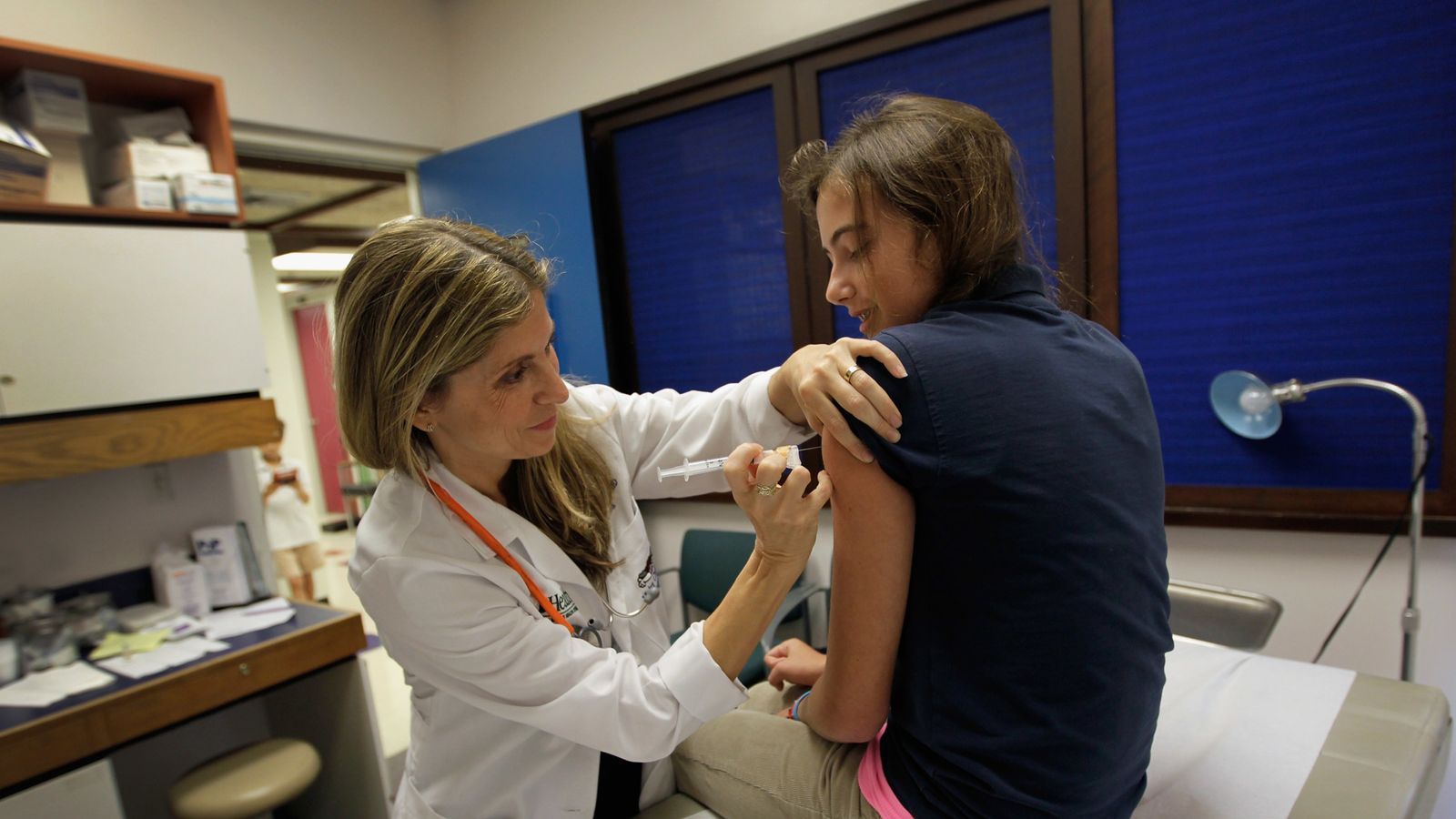
The HPV vaccine is generally administered as an injection into the upper arm muscle. A qualified professional follows appropriate hygiene and infection-control procedures throughout the process.
Correct administration helps ensure that the vaccine is given according to clinical recommendations.
Benefits of Choosing HPV Vaccine at Home
Choosing HPV Vaccine at Home can make preventive immunisation easier for eligible patients while providing access to professional healthcare support.
Convenient Healthcare at Your Residence
Travelling to a clinic may be difficult for families with busy schedules, working adults, or people with limited mobility. Home vaccination reduces the need for travel when the patient is suitable for the service.
Appointments can be arranged according to the provider's availability, making it easier to include preventive care in everyday routines.
Comfortable Experience for Teenagers
Teenagers may feel nervous about injections or unfamiliar medical environments. Receiving vaccination at home may help create a more comfortable experience.
Parents or guardians can remain nearby and provide reassurance while the healthcare professional explains the procedure.
Personalised Attention
A home appointment provides an opportunity for patients to discuss their concerns directly with the healthcare professional. They can ask questions about vaccine benefits, possible side effects, and future doses.
This individual attention can help patients understand their vaccination requirements more clearly.
Easier Follow-Up Planning
Some patients require more than one HPV vaccine dose. Keeping track of appointments is important for completing the recommended course.
A professional provider can explain the next dose date and provide vaccination documentation to help patients maintain an accurate record.
Who Should Consider HPV Vaccination?
HPV vaccination is recommended for specific age groups, with the greatest preventive benefit generally achieved before exposure to the virus.
Teenagers and Adolescents
Routine HPV vaccination is commonly recommended around ages 11–12, although it can begin at age 9 in many guidelines.
Vaccinating during early adolescence helps protect individuals before potential exposure to HPV later in life. Parents should consult a healthcare professional about the appropriate schedule.
Young Adults
Individuals who missed routine vaccination during adolescence may still be eligible for catch-up immunisation.
A healthcare professional can review their vaccination history and explain whether vaccination is recommended under current guidelines.
Eligible Adults
Some adults may also benefit from HPV vaccination, depending on their age, previous vaccination, and individual circumstances. Adults beyond the routine catch-up age should discuss the potential benefits and limitations with a healthcare professional.
How the HPV Vaccine Supports Disease Prevention
HPV vaccination helps protect against selected types of human papillomavirus that can cause serious health conditions.
Cervical Cancer Prevention
Persistent infection with certain high-risk HPV types is the main cause of cervical cancer. HPV vaccination helps prevent infections caused by specific high-risk types included in the vaccine.
However, vaccination does not replace cervical screening. Women should continue recommended screening according to their age and local medical guidelines.
Protection Against Other HPV-Related Cancers
Certain HPV types are also associated with cancers of the anus, penis, vulva, vagina, and oropharynx.
Vaccination can reduce the risk of diseases caused by the HPV types covered by the vaccine. Protection depends on the vaccine used and completion of the recommended schedule.
Prevention of Genital Warts
Some HPV types cause genital warts. Depending on the vaccine formulation, HPV immunisation can also protect against the types responsible for most cases of genital warts.
What Happens During a Professional Home Vaccination Visit?
A professional HPV Vaccine at Home visit generally includes several steps to support patient safety and proper vaccine administration.
Initial Consultation and Medical Review
The healthcare professional begins by confirming the patient's identity and reviewing relevant medical information. They may ask about previous HPV doses, known allergies, current illness, and immune system conditions.
This information helps determine whether vaccination can proceed or should be postponed.
Vaccine Preparation and Injection
The professional checks the vaccine's expiry date, packaging, and storage conditions. The injection is then administered into the upper arm muscle using appropriate hygiene procedures.
Patients should be informed about the procedure and given an opportunity to ask questions before vaccination.
Post-Vaccination Observation
After the injection, patients are generally observed for a short period to monitor for immediate reactions. The professional explains common side effects and what to do if concerning symptoms develop.
A vaccination record should include the vaccine details and administration date.
Possible Side Effects of HPV Vaccination
Most HPV vaccine side effects are mild and temporary. Common reactions include pain, redness, or swelling at the injection site.
Some people may experience a headache, mild fever, tiredness, or dizziness. Fainting can occur after injections, particularly among adolescents, so patients are usually advised to remain seated and be observed after vaccination.
Severe allergic reactions are rare but require immediate medical attention. Patients with a history of serious allergy to a previous HPV vaccine dose or one of its ingredients should discuss this with a healthcare professional before receiving the vaccine.
HPV vaccination is generally postponed during pregnancy. Individual medical advice is important when pregnancy or other health concerns are involved.
How to Choose a Reliable Home Vaccination Provider
Selecting an appropriate provider is essential when arranging home immunisation. Patients should confirm that the service uses authorised healthcare professionals and approved vaccines.
The provider should follow proper vaccine storage and transportation requirements, maintain appropriate infection-control standards, and have procedures for managing immediate allergic reactions.
Patients should also receive clear information about appointment arrangements, vaccine availability, costs, and vaccination documentation before confirming the service.
Conclusion
Professional vaccination services can make preventive healthcare more convenient while maintaining important medical standards. HPV Vaccine at Home offers eligible teenagers and adults an accessible option for immunisation with qualified healthcare support.
Choosing an authorised provider, reviewing medical eligibility, following the recommended dose schedule, and maintaining vaccination records are essential steps. With appropriate professional guidance, patients can make informed decisions about HPV prevention and long-term health.