
Taking care of aging family members is an important responsibility, but it can become challenging when seniors need regular assistance with everyday activities. Changes in mobility, health, and memory can make independent living more difficult. Elderly Home Care provides families with a reliable way to arrange professional support while allowing older adults to remain comfortable in their own homes.
For seniors who need medical attention without travelling, Doctor At Home In Dubai services can also provide convenient access to healthcare consultations. This option may be particularly helpful for older adults who have difficulty travelling or prefer receiving medical advice in familiar surroundings.
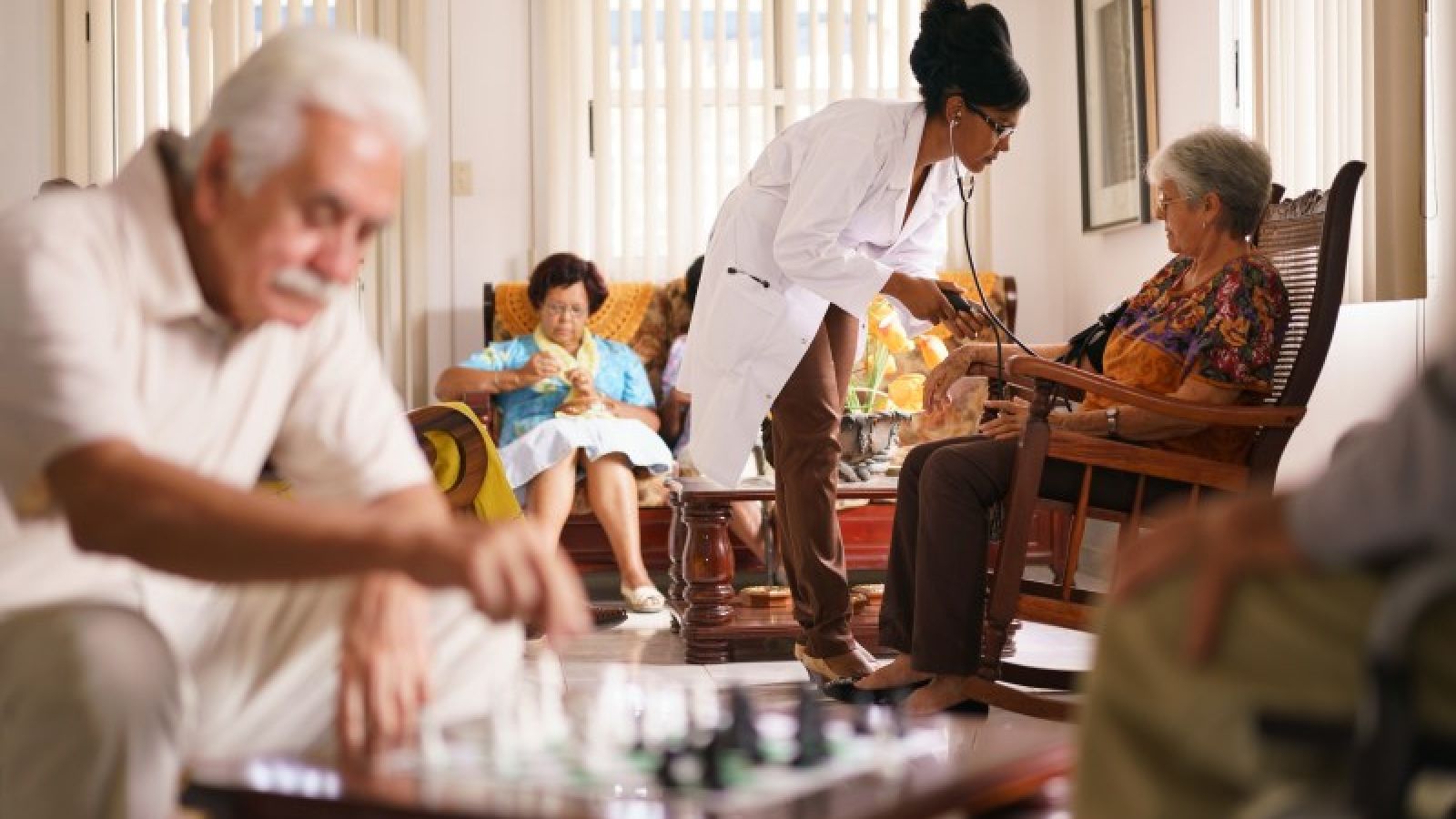
Understanding the Importance of Professional Elderly Home Care
As people age, their care requirements often become more specific. Some older adults need help with personal hygiene, while others require assistance with mobility, meal preparation, medication reminders, or companionship.
Family members may try to manage these responsibilities themselves, but balancing caregiving with employment and personal commitments can be difficult. Professional Elderly Home Care helps families arrange consistent assistance based on their loved one's individual needs.
Trained caregivers can follow an agreed care routine and provide support while respecting the senior's privacy, preferences, and independence.
Major Reasons Families Choose Professional Elderly Home Care
Personalized Care for Individual Needs
Every senior has a different lifestyle, health condition, and level of independence. A care arrangement that works for one person may not be suitable for another.
Professional home care can be organized around an individual's daily routine. Some seniors may need only a few hours of assistance, while others may require more frequent or extended support.
This flexibility helps families select services that match their loved one's requirements rather than relying on a general care arrangement.
Assistance with Daily Activities
Simple activities can become difficult for older adults experiencing weakness, joint discomfort, or limited mobility. Professional caregivers can assist with bathing, dressing, grooming, walking, and meal preparation.
This support helps seniors complete everyday tasks more comfortably. It can also reduce the physical pressure on family members who might otherwise handle every responsibility themselves.
Better Safety at Home
Safety is one of the biggest concerns for families caring for aging parents. Falls and household accidents can create serious difficulties, particularly for seniors with balance or mobility problems.
Caregivers can provide assistance when seniors move around the home and help identify potential hazards. Families can also improve safety by installing bathroom grab bars, removing loose rugs, and keeping hallways free from obstacles.
Regular Companionship
Emotional well-being is an important part of healthy aging. Older adults who spend long periods alone may experience loneliness or reduced social interaction.
A professional caregiver can offer companionship through conversations, recreational activities, reading, and simple daily routines. Regular interaction can help seniors feel more connected and emotionally supported.
How Professional Caregivers Support Senior Health
Medication Routine Assistance
Some seniors take multiple medications and may find it difficult to remember every schedule. Caregivers can provide reminders according to the instructions given by healthcare professionals.
Families can also maintain an updated medication list and ensure that prescriptions are reviewed whenever a doctor recommends changes. Medication administration should only be handled by appropriately qualified personnel when required.
Nutrition and Meal Preparation
Good nutrition helps older adults maintain energy, strength, and general health. However, shopping and preparing meals may become challenging with age.
Caregivers can assist with meal preparation, encourage regular hydration, and follow dietary instructions provided by healthcare professionals. This can be particularly helpful for seniors who need structured meal routines.
Mobility and Physical Activity
Remaining physically active within individual abilities can support flexibility, strength, and independence. Caregivers may assist seniors with safe movement, short walks, and approved daily exercises.
Any exercise routine should match the person's physical condition and medical recommendations. Seniors with significant mobility difficulties may need guidance from a qualified healthcare professional or physiotherapist.
Benefits for Family Members
Professional Elderly Home Care does not replace family involvement. Instead, it gives relatives additional support so they can maintain a healthier balance between caregiving and other responsibilities.
Reduced Caregiving Pressure
Family members often have jobs, children, household responsibilities, and other commitments. Providing continuous care without assistance can become physically and emotionally exhausting.
Professional support helps distribute caregiving responsibilities. Relatives can spend meaningful time with their loved ones without managing every practical task themselves.
Improved Communication and Care Planning
A structured care arrangement can make it easier for families to understand their loved one's daily needs. Caregivers and relatives can discuss routines, changes in behavior, and any difficulties that require attention.
Clear communication helps families make informed decisions and adjust care arrangements when necessary.
Greater Peace of Mind
Knowing that an aging parent has appropriate assistance can reduce some of the uncertainty families experience when they cannot be present throughout the day.
Regular care and communication can help relatives feel more confident that everyday needs are being addressed.
What to Look for in a Professional Elderly Home Care Provider
Choosing the right provider is an important decision. Families should review caregiver qualifications, relevant experience, service availability, and the provider's approach to senior safety.
It is also important to understand whether the service offers personal care, companionship, mobility assistance, medication reminders, and other required support.
Families should ask how caregivers are selected, how emergencies are handled, and how progress or concerns are communicated. If medical procedures or clinical monitoring are required, confirm that appropriately licensed and qualified healthcare professionals provide them.
Most importantly, the aging parent should feel comfortable with the caregiver. Respectful communication and a positive relationship can make a significant difference in the overall care experience.
When Is Professional Elderly Home Care Needed?
There are several situations in which families may benefit from arranging professional support. An aging parent may begin struggling with bathing, dressing, cooking, or moving safely around the home.
Other signs include frequently forgetting medication, missing meals, experiencing repeated falls, or becoming increasingly isolated. Changes in health or recovery after hospitalization may also create a need for additional assistance.
Families should discuss these concerns with healthcare professionals and consider a care plan that reflects the senior's current condition.
Conclusion
Choosing professional support for aging loved ones is a thoughtful way to address their changing needs. Elderly Home Care provides personalized assistance, companionship, mobility support, and help with daily routines while allowing seniors to remain in familiar surroundings.
For families, professional caregiving can reduce daily pressure, improve communication, and make it easier to balance personal responsibilities. By selecting an experienced provider and involving seniors in care decisions, families can create a supportive environment that promotes comfort, dignity, and independence.