
Wound Dressing at Home is an important part of postoperative care for patients recovering from surgery. After an operation, the surgical incision needs appropriate protection, careful monitoring, and the correct dressing according to the surgeon’s instructions. Good wound care can help protect the incision, manage drainage, and support the body's natural healing process.
Doctor At Home In Dubai services can help patients access professional medical assessment and postoperative support without travelling to a clinic when a home visit is appropriate. For people recovering from surgery, home healthcare may make routine wound checks and dressing changes more convenient while helping family members understand the recommended care instructions.
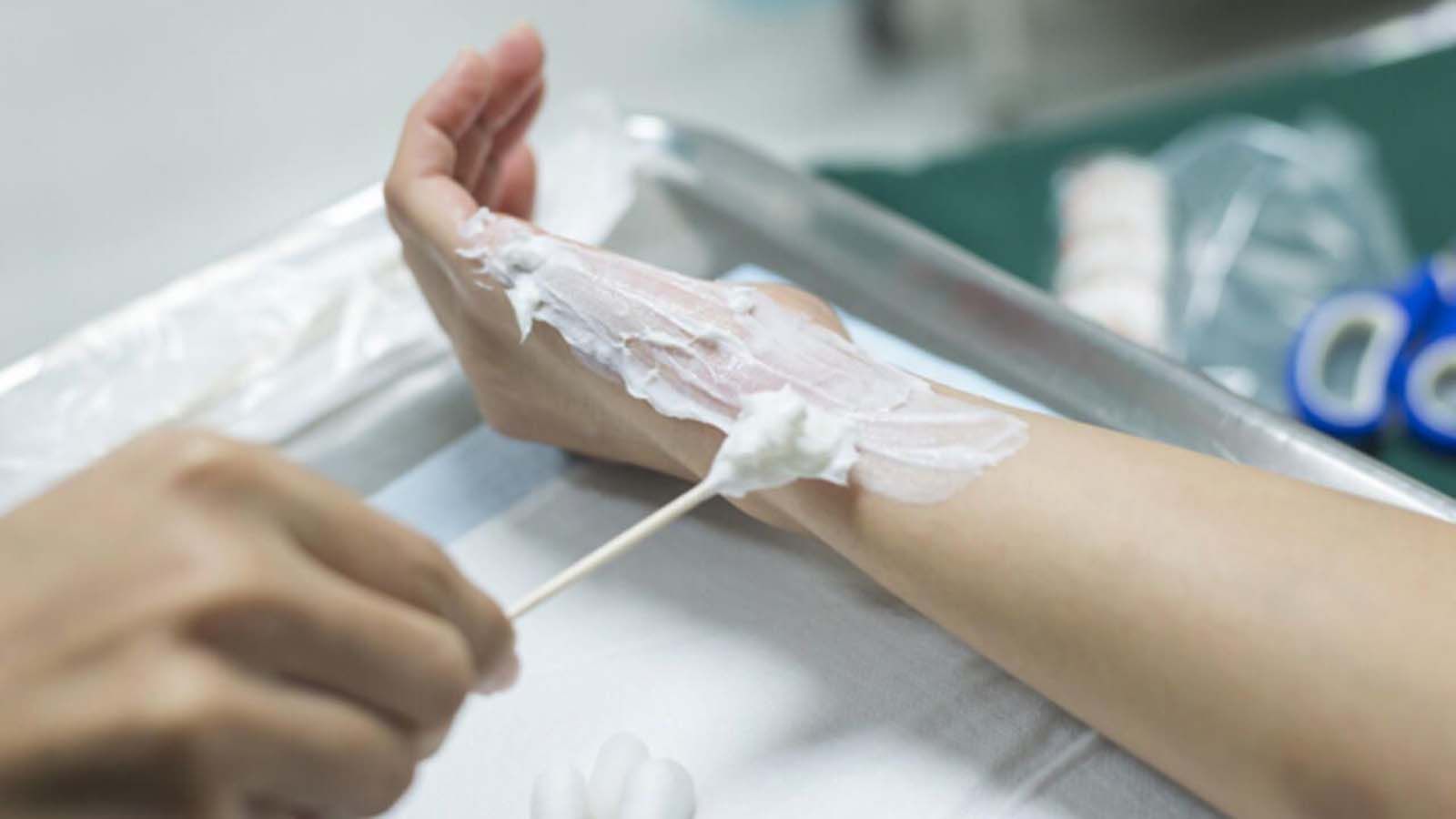
Why Wound Dressing at Home Matters After Surgery
A surgical incision passes through the body's natural protective barrier, so keeping it protected during recovery is important. The appropriate dressing can help shield the incision from contamination, absorb drainage, and protect the surrounding skin from friction.
The type of dressing and how often it should be changed depend on the surgical procedure, the condition of the incision, and the surgeon's recommendations. Some dressings can remain in place for several days, while others may need earlier replacement if they become wet, dirty, loose, or saturated.
Choosing Wound Dressing at Home can help suitable patients follow their postoperative care plan without unnecessary travel. However, home dressing services do not replace follow-up appointments or urgent medical assessment when complications develop.
Understanding the Surgical Wound Healing Process
The Early Recovery Stage
During the first few days after surgery, the body begins repairing the incision. Mild tenderness, limited swelling, or slight bruising may occur, depending on the procedure. Patients should follow the discharge instructions provided by their surgical team.
Avoid touching the incision unnecessarily, removing the dressing earlier than instructed, or applying creams and antiseptics without medical advice. If the wound becomes increasingly painful or develops unusual drainage, contact the treating healthcare professional.
Tissue Repair and Recovery
As healing progresses, the body produces new tissue and strengthens the wound. The incision may gradually become less tender, but the time required for healing varies according to the operation, the patient's health, and the location of the wound.
Conditions such as diabetes, poor circulation, smoking, and inadequate nutrition may slow recovery. Patients should attend recommended follow-up visits so the healthcare team can check the incision and identify problems early.
How to Perform Wound Dressing at Home Safely
Prepare the Dressing Supplies
Before beginning wound care, prepare a clean, well-lit area and gather the supplies recommended by the healthcare professional. These may include sterile dressings, medical tape, saline solution if prescribed or advised, disposable gloves, and a suitable waste bag.
Check that sterile packaging is intact and that products are within their expiry dates. Wash your hands thoroughly with soap and clean running water before handling the dressing.
Follow the Surgeon’s Instructions
Not every surgical wound should be cleaned or dressed in the same way. The surgeon may recommend leaving the original dressing in place, changing it at a specific time, or using a particular type of dressing.
Follow these instructions carefully. Do not soak the incision, remove surgical strips, pull out sutures, or disturb medical glue unless the treating team advises you to do so. If instructions are unclear, contact the surgical team before changing the dressing.
Apply the Recommended Dressing
When a dressing change is required, follow the recommended procedure and avoid touching the surface that will contact the incision. Handle the surrounding skin gently and use only the cleaning products approved for that wound.
Secure the dressing so that it stays in place without pulling on the skin or restricting circulation. If a dressing sticks to the incision, do not pull it off forcefully. Seek guidance on safe removal, especially if the wound starts bleeding or becomes painful.
Preventing Infection After Surgery
Infection prevention is one of the main goals of postoperative wound care. Wash your hands before and after handling the dressing, keep supplies clean, and avoid unnecessary contact with the incision.
Follow the surgeon's advice about bathing, showering, exercise, and activities that could stretch or put pressure on the wound. Avoid swimming or soaking the incision until the treating team confirms it is safe.
Watch for warning signs such as increasing redness, warmth, swelling, worsening pain, pus, or an unpleasant smell. Fever, chills, spreading redness, or an incision that opens require prompt medical assessment. Seek urgent care if symptoms are severe or rapidly worsening.
Do not assume that replacing a dressing will resolve a suspected infection. The wound may need professional examination and specific treatment.
Benefits of Professional Wound Dressing at Home
Convenient Postoperative Support
After surgery, patients may experience fatigue, discomfort, restricted movement, or difficulty travelling. A suitable home visit can reduce the burden of attending a clinic for routine wound care when the treating team agrees that home management is appropriate.
Professional support can be especially helpful for older adults and people recovering from procedures that limit mobility.
Monitoring by Qualified Healthcare Professionals
A qualified nurse can assess the incision within their professional scope, perform dressing changes according to the care plan, monitor changes, and document relevant findings. If the wound appears abnormal or requires further treatment, the nurse can recommend contacting the treating doctor.
Regular monitoring helps patients and caregivers understand whether recovery is progressing as expected and when further assessment may be necessary.
Guidance for Family Caregivers
Family members may assist with daily care while the patient recovers. Professional home nursing services can explain how to protect the dressing, maintain hygiene, recognise warning signs, and follow the recommended schedule for dressing changes.
Clear instructions can reduce confusion and help caregivers provide more consistent support between visits.
Daily Habits That Support Post-Surgery Healing
Recovery involves more than dressing changes. Eating balanced meals with adequate protein, maintaining hydration where medically appropriate, and getting sufficient rest can support the body's repair processes. Patients should follow the surgeon's instructions about walking, movement, lifting, and returning to normal activities.
People with diabetes should follow their prescribed blood glucose management plan. Patients who smoke should consider stopping because smoking can interfere with tissue healing. Do not stop prescribed medication or start supplements without consulting a healthcare professional.
Keep follow-up appointments even if the incision appears to be healing well. Some postoperative complications are not immediately obvious and may need clinical assessment.
When Should You Contact a Doctor?
Contact the treating healthcare professional if the incision becomes increasingly red, swollen, painful, or starts producing unusual drainage. You should also seek medical advice if the wound edges separate, the dressing repeatedly becomes soaked with blood, or healing seems slower than expected.
Heavy bleeding, a widely opened incision, severe pain, or signs of serious infection require urgent medical care. Do not delay assessment while waiting for a home dressing appointment.
Patients who have undergone major surgery or who have diabetes, poor circulation, or weakened immunity may need closer monitoring and a lower threshold for seeking advice.
Choosing a Wound Dressing at Home Provider
When arranging Wound Dressing at Home After Surgery, select a reputable provider with appropriately qualified healthcare professionals and experience in postoperative care. Ask whether the service follows the surgeon's instructions, uses suitable dressing materials, documents wound changes, and has a clear process for referring patients when complications arise.
Provide details about the operation, allergies, medications, and any discharge instructions. This helps the healthcare professional understand the care plan and provide appropriate support.
Conclusion
Wound Dressing at Home After Surgery can make postoperative care more convenient for suitable patients while supporting hygiene, wound protection, and regular monitoring. Following the surgeon's instructions, using appropriate dressings, and recognising signs of infection are essential parts of recovery.
Professional home nursing may help patients manage routine dressing changes and give caregivers practical guidance. However, any worsening pain, unusual drainage, spreading redness, or opening of the incision should be assessed promptly by a healthcare professional.